Is It Worth the Extra Cost?
Protein powder has become a staple supplement in bodybuilding, strength training, and sports nutrition. But with so many options available, choosing the right protein powder can get confusing. Whey concentrate, whey isolate, hydrolyzed whey, casein, plant protein—the list goes on.
One of the most common questions athletes have is simple: Is whey protein isolate actually worth paying more for?
The short answer is: sometimes.
Whey protein isolate is more heavily processed than whey concentrate, resulting in a protein powder that generally contains a higher percentage of protein and less fat, less carbohydrates, and lactose. That can make isolate particularly appealing to athletes who prioritize protein density, carefully track their macros, or have difficulty tolerating higher amounts of lactose.
But that doesn’t necessarily mean whey isolate builds more muscle than whey concentrate.
The real question is whether the nutritional profile of isolate is worth the additional cost for your goals. Our team at Generation Iron is going to break it down.
What Is Whey Protein Isolate?

Whey protein comes from milk. During cheese production, milk separates into solid curds and liquid whey. That whey can then be filtered and processed into different types of protein powder.
Two of the most common are whey protein concentrate (WPC) and whey protein isolate (WPI).
Whey concentrate generally contains less protein by weight and retains more of the other components of whey, including lactose and fat. Whey isolate undergoes additional processing to remove more of those components, resulting in a product that is typically at least 90% protein by weight.
That extra processing is one of the primary reasons whey isolate tends to cost more.
Whey Isolate vs. Whey Concentrate
The biggest differences between isolate and concentrate aren’t necessarily about which one is “better.” They’re primarily about the nutritional profile.
| Whey Protein Isolate | Whey Protein Concentrate | |
|---|---|---|
| Protein | Typically 90%+ by weight | Typically lower |
| Fat | Lower | Higher |
| Carbohydrates | Lower | Higher |
| Lactose | Lower | Higher |
| Processing | More extensive | Less extensive |
| Price | Usually higher | Usually lower |
Because whey isolate removes more fat and lactose during processing, it can deliver a higher concentration of protein with fewer calories coming from other macronutrients.
That can be particularly useful when you’re trying to squeeze as much protein as possible into a tightly controlled diet.
Benefit #1: More Protein Per Serving
One of the biggest advantages of whey isolate is its protein density.
For athletes who are tracking their macros, getting more protein without adding unnecessary carbohydrates or fat can be valuable.
This is especially relevant during a cutting phase. When calories are restricted, athletes often want to maximize the nutritional value of every calorie they consume.
Whey isolate makes that relatively easy. Instead of getting a significant amount of your serving from carbohydrates or fat, more of the powder is dedicated to protein.
Benefit #2: Lower Lactose
Another reason athletes choose whey isolate is its lower lactose content.
Additional processing removes much of the lactose found in whey concentrate. As a result, whey isolate may be easier for some people with lactose intolerance to tolerate.
That doesn’t mean whey isolate is completely lactose-free, and it still comes from milk. Anyone with a milk allergy should not assume that switching from concentrate to isolate makes whey safe.
But for someone who experiences digestive discomfort from lactose, isolate can be worth considering.
Benefit #3: Fewer Carbohydrates and Less Fat
If you’re bulking and consuming thousands of calories every day, the small difference in fat and carbohydrates between protein powders may not matter much.
If you’re cutting for a bodybuilding show, however, every macro can become more important.
Whey isolate generally provides a leaner nutritional profile than whey concentrate, making it easier to build a protein shake into a diet without significantly increasing carbohydrate or fat intake.
That’s one reason whey isolate has become so popular among competitive bodybuilders and athletes.
Benefit #4: High-Quality Protein
Whey is considered a high-quality protein because it provides all of the essential amino acids required by the body. It’s also particularly rich in branched-chain amino acids, including leucine.
Leucine is especially relevant to resistance training because it plays an important role in stimulating muscle protein synthesis.
Of course, the bigger picture is your total daily protein intake. Switching from concentrate to isolate won’t magically produce more muscle if you’re consistently under-consuming protein or failing to train effectively.
The protein source is important, but your overall diet and training program matter more.
Benefit #5: Convenient Muscle-Building Nutrition
Let’s be honest: one of the biggest benefits of protein powder isn’t complicated. It’s convenient.
Getting enough protein from whole foods is absolutely possible, but eating enough chicken, beef, fish, eggs, dairy, and other protein-rich foods every day can become difficult.
A protein shake provides a fast and convenient way to add high-quality protein to your diet.
That’s particularly useful after training, between meals, or whenever you need additional protein without preparing another full meal.
Does Whey Isolate Build More Muscle Than Concentrate?

This is where the marketing surrounding protein supplements can get ahead of the science.
There isn’t strong evidence that whey isolate inherently builds more muscle than whey concentrate when equivalent amounts of high-quality protein are consumed.
Both provide the amino acids necessary to support muscle protein synthesis. The primary advantages of isolate are its nutritional characteristics—not necessarily a dramatically superior muscle-building effect.
If you’re consuming enough protein from a quality whey concentrate, there’s no reason to believe you’re leaving significant muscle gains on the table simply because you didn’t choose isolate.
So Why Pay More for Whey Isolate?
This brings us to the real question.
What are you actually paying for?
With whey isolate, you’re primarily paying for additional processing and a more concentrated protein product.
That can be worthwhile if you:
- Track calories closely
- Want more protein per calorie
- Are cutting for a bodybuilding competition
- Want to minimize carbohydrates and fat
- Have difficulty tolerating higher amounts of lactose
- Prefer the nutritional profile of isolate
If none of those factors matter to you, whey concentrate may provide a better value.
For someone who simply wants an affordable way to increase daily protein intake, concentrate can be an excellent choice.
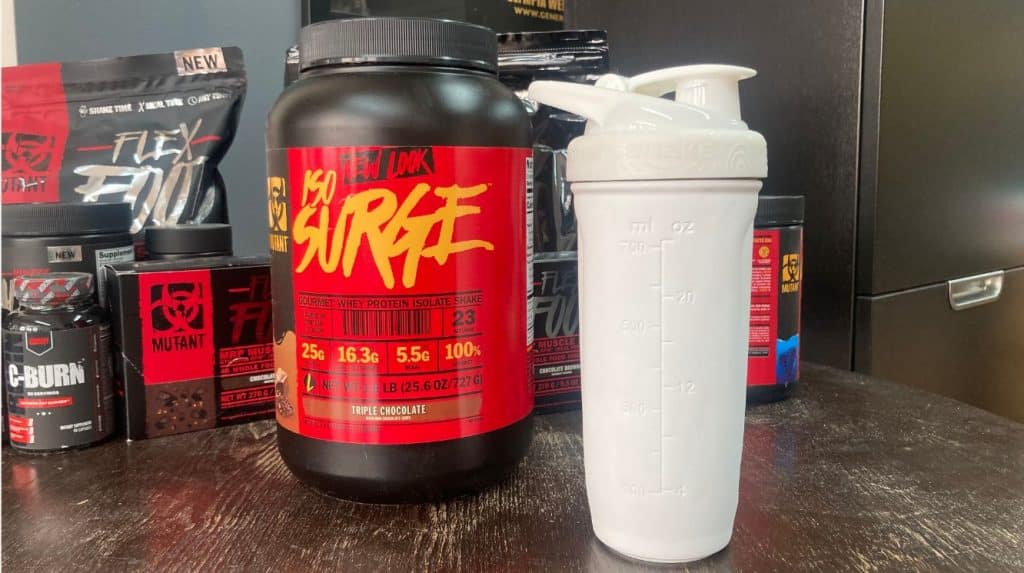
MUTANT Iso Surge: A Whey Isolate Option for Lifters
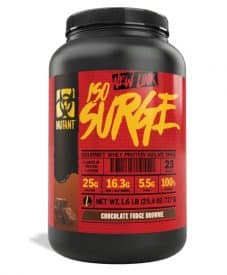
Maximize your gains with a great tasting and effective whey protein isolate, MUTANT ISOSURGE.
For athletes who specifically want the nutritional profile of whey isolate, MUTANT Iso Surge is worth a look.
MUTANT Iso Surge is formulated with whey protein isolate and whey protein hydrolysate, providing 25 grams of protein per scoop. The product also lists 16.3 grams of EAAs plus glutamines and 5.5 grams of BCAAs per serving.
Its amino acid profile includes approximately 2.7 grams of leucine, 1.5 grams of isoleucine, and 1.3 grams of valine per serving.
That’s a strong profile for athletes looking to use protein supplementation as part of a muscle-building or recovery-focused nutrition plan.
What’s in MUTANT Iso Surge?
The ingredient list starts with:
- Whey protein isolate
- Whey protein hydrolysate
- Cocoa in chocolate varieties
- MCT oil
- Lactase
- Protease
- Flavoring ingredients
- Sweeteners
The inclusion of lactase and protease is also notable for athletes who pay close attention to digestion.
The product provides 120 calories and 25 grams of protein per scoop in the listed Triple Chocolate formulation.
Why Choose Iso Surge Over a Basic Whey?
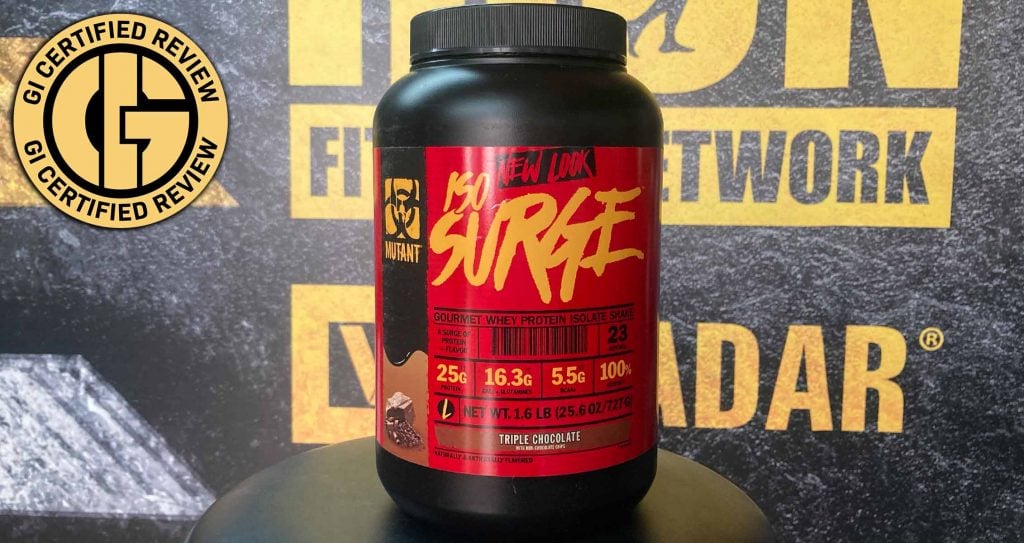
MUTANT Iso Surge isn’t necessarily the right choice for everyone. If you’re looking for the lowest-cost way to increase protein intake, whey concentrate can make more financial sense.
But if you want a protein powder built around whey isolate and hydrolysate, with 25 grams of protein and a substantial essential amino acid and BCAA profile, Iso Surge provides a straightforward option.
It’s particularly well suited for lifters who are:
Bulking: Add a convenient source of protein without relying entirely on whole-food meals.
Cutting: Use a protein-dense option that fits more easily into a calorie-controlled diet.
Maintaining: Keep daily protein intake consistent when whole-food meals aren’t practical.
Training frequently: Have a convenient protein source available after demanding training sessions.
Is Whey Isolate Worth the Extra Cost?
For some athletes, absolutely.
For others, probably not.
If you’re already eating enough protein and don’t have concerns about lactose, calories, fat, or carbohydrates, whey concentrate can provide excellent value.
But if you’re trying to maximize protein per calorie, minimize lactose, or simply prefer a more refined protein source, whey isolate can justify the premium.
That’s ultimately the biggest takeaway.
The question isn’t whether whey isolate is universally better.
It’s whether its advantages matter to you.
The Bottom Line
Whey protein isolate offers several practical advantages over whey concentrate: higher protein concentration, less fat and carbohydrate, and significantly less lactose.
But those advantages don’t necessarily translate into dramatically greater muscle growth.
For most lifters, the most important factors remain total daily protein intake, progressive resistance training, adequate calories, recovery, and consistency.
If you want a premium whey isolate option that fits easily into a bodybuilding diet, MUTANT Iso Surge is a compelling choice. With 25 grams of protein per scoop from whey isolate and hydrolysate, plus 5.5 grams of BCAAs and 16.3 grams of EAAs and glutamines, it delivers the type of protein profile serious lifters are looking for.
Whey isolate may cost more—but if you’re serious about controlling your macros and maximizing the protein you get from every serving, the extra cost can be worth it.
Let us know what you think in the comments below. Also, be sure to follow Generation Iron on Facebook, Twitter, and Instagram.
References
- Jäger, R., et al. International Society of Sports Nutrition Position Stand: Protein and Exercise. Journal of the International Society of Sports Nutrition, 2017. The position stand covers protein intake, protein quality, muscle protein synthesis, and supplementation for exercising individuals.
- Kerksick, C. M., et al. International Society of Sports Nutrition Position Stand: Nutrient Timing. Journal of the International Society of Sports Nutrition, 2017. Covers protein timing and nutrition strategies surrounding exercise.
- MUTANT Iso Surge Nutrition Facts and Product Information. Product information lists 25 g of protein per serving, 16.3 g of EAAs + glutamines, 5.5 g of BCAAs, and approximately 2.7 g of leucine per serving.
Disclaimer: Protein supplements are intended to supplement a balanced diet, not replace whole foods. Individual nutritional needs vary.