How to Perform the Lying Leg Curl Correctly
The lying leg curl is one of the most effective isolation exercises for building stronger, more muscular hamstrings, and it was a favorite of legendary bodybuilder Tom Platz, who was known for his intense leg workout that produced his massive legs. Commonly performed on a leg curl machine, this movement targets the muscles on the back of your thighs while also helping improve knee stability, athletic performance, and lower-body strength.
Our team at Generation Iron is going to break it down.
Lying Leg Curl Step-by-Step Instructions
Step 1: Set Up the Machine
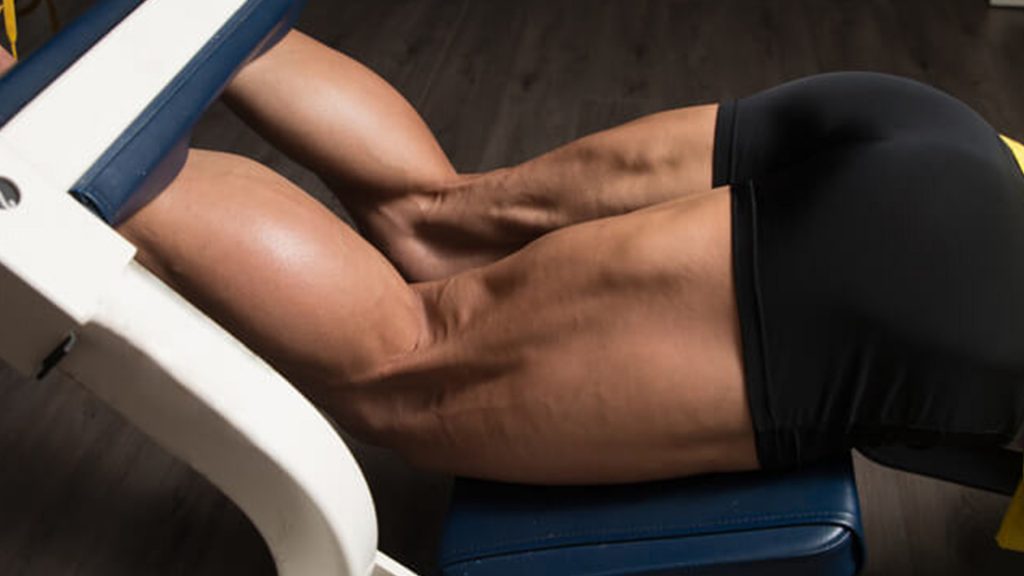
Adjust the leg curl machine so the lever pad rests comfortably against the back of your lower legs, just above your ankles. Lie face down on the bench with your body fully supported.
Step 2: Position Yourself
Keep your torso flat against the pad and fully extend your legs. Grab the machine handles for stability and point your toes straight ahead. This is your starting position.
Step 3: Curl the Weight
Contract your hamstrings and bend your knees to curl the weight upward as far as possible. Avoid lifting your hips off the bench. Exhale as you perform the movement. Once your hamstrings are fully contracted, pause briefly at the top.
Step 4: Return to the Starting Position
Slowly lower the weight back to the starting position while inhaling. Maintain control throughout the entire range of motion.
Step 5: Repeat
Perform the desired number of repetitions while focusing on smooth, controlled movement.
Muscles Worked by the Lying Leg Curl

The lying leg curl primarily targets the hamstrings, including:
- Biceps Femoris
- Semitendinosus
- Semimembranosus
Secondary muscles involved include the calves and glutes, which help stabilize the movement.
Common Lying Leg Curl Mistakes
To maximize results and reduce injury risk, avoid these common errors:
- Swinging the weight using momentum
- Lifting your hips off the bench
- Performing fast, jerky repetitions
- Using excessive weight that compromises form
- Cutting the range of motion short
Maintaining strict form ensures your hamstrings do the majority of the work and helps prevent strain on the lower back and knees.
How to Target Different Areas of the Hamstrings
Changing your foot and leg positioning can slightly alter muscle emphasis:
Shoulder-Width Stance
A shoulder-width leg position generally emphasizes the medial (inner) hamstring muscles.
Narrow Stance
Keeping your legs close together may place more focus on the outer hamstring region.
Wide Stance
A wider-than-shoulder-width position can increase activation of the inner hamstrings.
Rotating these variations throughout your training program can help create balanced hamstring development.
Benefits of the Lying Leg Curl
- Builds stronger hamstrings
- Improves lower-body muscle balance
- Enhances athletic performance and sprinting power
- Supports knee joint stability
- Helps reduce the risk of hamstring injuries
- Complements squats, deadlifts, and other compound leg exercises
Alternative Hamstring Exercises
If you don’t have access to a lying leg curl machine or want to add variety to your workouts, consider these effective alternatives:
Power Clean
A powerful Olympic lifting movement that develops explosive strength throughout the posterior chain, including the hamstrings.
Natural Glute-Ham Raise
A bodyweight exercise that challenges the hamstrings through both knee flexion and hip extension, making it one of the most demanding hamstring builders available.
Final Thoughts
The lying leg curl remains one of the best exercises for isolating and strengthening the hamstrings. Whether your goal is muscle growth, athletic performance, or injury prevention, incorporating this movement into your leg training routine can help develop stronger, more resilient lower-body muscles. Focus on controlled repetitions, full range of motion, and proper machine setup to get the most from every set.
Let us know what you think in the comments below. Also, be sure to follow Generation Iron on Facebook, Twitter, and Instagram.