LET’S FACE IT: If you’re going to be using testosterone on a regular basis, the way you take it matters.
For years, intramuscular injections have been the familiar option for men receiving testosterone replacement therapy (TRT). That means delivering testosterone directly into muscle tissue, typically using a needle long enough to reach the muscle.
And while this approach has been used successfully for decades, it’s not necessarily everyone’s favorite part of treatment.
Maybe you don’t love the idea of deeper injections. Maybe reaching the site feels awkward. Or maybe you’re simply wondering whether there’s another way to administer testosterone without completely changing your treatment.
Well, there is an option worth knowing about.
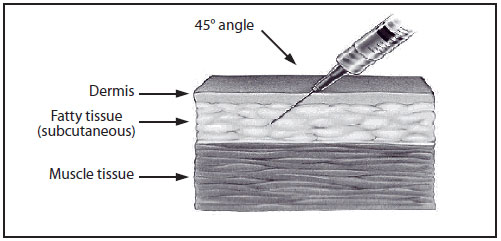
It’s called subcutaneous testosterone injection, and instead of delivering medication into muscle, it goes into the fatty tissue just beneath the skin.
Researchers have been exploring this approach, and the findings suggest that this may be a practical alternative for certain patients.
So what’s different about injecting testosterone under the skin? And could it be worth discussing with your TRT provider?
What’s the Difference Between Subcutaneous and Intramuscular Testosterone?
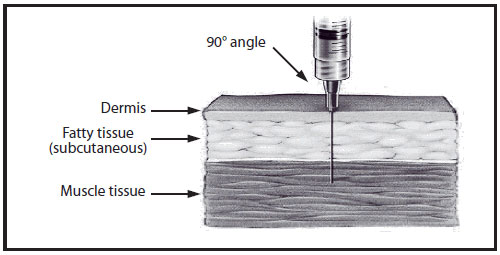
With an intramuscular (IM) injection, testosterone is delivered directly into muscle tissue, often in the gluteal region or thigh.
Subcutaneous (SubQ) injections take a different approach. They deliver medication into the fatty tissue between the skin and muscle.
The biggest difference from a patient’s perspective? The needle.
SubQ generally use shorter, finer needles than the traditional deep intramuscular option.
And because the medication doesn’t need to reach deep muscle tissue, the administration technique may feel more manageable for some people.
There’s another important detail, though.
Using testosterone cypionate subcutaneously doesn’t necessarily mean switching to a different active ingredient. It means administering the medication through a different route.
However, FDA-approved testosterone cypionate injections are labeled for intramuscular use. Subcutaneous administration of these products is considered off-label, even though clinicians have studied and sometimes prescribed this route.
There are also testosterone products specifically FDA-approved for subcutaneous administration, including certain testosterone enanthate formulations.
So while both methods have a place in discussions about testosterone treatment, the appropriate route depends on the product, the patient’s circumstances, and the prescribing provider’s assessment.
What Does the Research Say About Subcutaneous Testosterone?
For a long time, intramuscular injections were the established method for administering injectable testosterone esters.
But researchers began asking a fairly straightforward question: Could testosterone be delivered effectively through the fatty tissue beneath the skin?
One small study published in the American Journal of Health-System Pharmacy in 2018 explored that possibility.
Researchers followed 14 transgender men who were already receiving testosterone therapy. Participants administered testosterone cypionate or enanthate intramuscularly before switching to the subcutaneous method.
The researchers then compared testosterone exposure and asked participants about their experiences with each method.
The results were encouraging.
Overall testosterone exposure was comparable between the two routes, although individual responses varied.
Participants also reported lower scores for injection-related pain and anxiety during the subcutaneous phase.
That’s a meaningful finding for anyone who finds regular injections uncomfortable because it helps explain why subcutaneous administration has become an option worth discussing in testosterone care.
Why Are Some Men Interested in Subcutaneous Injections?
The science is one thing. But when it comes to a treatment that may involve regular injections, the practical experience matters, too.
And that’s where subcutaneous testosterone can have some appeal.
For starters, there’s the smaller needle.
Some men find shorter, finer needles less intimidating than those used for traditional intramuscular. Others appreciate that subQ may be easier to self-administer after appropriate training.
Then there’s the injection site itself.
Instead of reaching a deep muscle, subcutaneous injections may be administered into suitable fatty tissue, such as the abdomen, depending on the medication and provider instructions.
That can make the process feel more accessible for some patients, particularly those who find certain intramuscular sites awkward to reach.
And when treatment becomes part of a regular routine, convenience isn’t a small consideration.
Think about it. A medication schedule that fits into everyday life may feel easier to manage than one that consistently causes anxiety or discomfort.
Of course, subcutaneous injections aren’t automatically painless or easier for everyone. Some patients experience local irritation, swelling, or discomfort, and individual preferences differ.
But having the opportunity to discuss different administration methods can be valuable when choosing a long-term treatment approach.

What About Testosterone Levels?
Now for the question that probably matters most: Does injecting testosterone under the skin change how well the medication works?
The answer isn’t quite as simple as saying one method is better.
Testosterone cypionate is a long-acting testosterone ester designed to release testosterone gradually after use.
Both intramuscular and subcutaneous administration allow testosterone to enter the bloodstream, but absorption can vary depending on the formulation, injection site, dose, and individual patient.
Available research suggests that subcutaneous administration can achieve testosterone levels comparable to intramuscular administration in certain treatment settings.
But that doesn’t mean the two routes will produce identical results for every patient.
And claims that subcutaneous testosterone always creates smoother hormone levels or eliminates the peaks and troughs sometimes associated with injections go beyond what current evidence can establish.
Frequency, dose, absorption, and individual metabolism can all influence testosterone concentrations over time.
That’s why follow-up blood testing matters.
If a healthcare provider determines that a different administration route is appropriate, monitoring can help assess testosterone levels and whether any adjustments are necessary.
Ultimately, the goal isn’t to choose whichever method sounds more advanced.
It’s to find a medically appropriate treatment approach that maintains testosterone within the intended range while accounting for the patient’s needs and preferences.
How Are Modern TRT Clinics Approaching Injection Options?
One of the more useful developments in testosterone care is the growing attention given to how patients actually experience their treatment.
After all, two people can have the same diagnosis and very different preferences when it comes to medication.
One might be perfectly comfortable with intramuscular. Another might prefer to discuss a smaller needle and a subcutaneous approach.
Neither preference automatically determines the best medical option.
But it does create an opportunity for a more individualized conversation.
For men exploring medically supervised testosterone cypionate therapy, the first step is determining whether TRT is appropriate based on symptoms, medical history, and laboratory results.
A licensed healthcare provider can then discuss the treatment formulation, administration method, schedule, and monitoring requirements.
For some patients, subcutaneous administration may be considered when clinically appropriate. For others, intramuscular injections or another testosterone formulation may be more suitable.
This is important because subcutaneous use of standard testosterone cypionate injection products is off-label, and changing the route should only happen under the direction of the prescribing provider.
That doesn’t make the discussion any less worthwhile. If anything, understanding the options gives patients a better opportunity to ask informed questions about how their treatment fits into everyday life.
Who Might Want to Ask About Subcutaneous Testosterone?
Let’s say you’ve been using intramuscular testosterone injections for a while.
Your treatment is going well, but you still don’t particularly look forward to injection day.
Or perhaps you’re considering TRT for the first time and wondering what self-administered treatment might involve.
Either way, subcutaneous injections may be worth bringing up during your consultation.
Men who experience discomfort with traditional injections or find certain sites difficult to access may be particularly interested in learning about the alternative.
But patient preference is only one part of the decision.
The specific testosterone formulation matters. So do individual health considerations, injection-site tolerance, and the provider’s assessment of whether an off-label administration route is appropriate.
And not every patient will experience the same results after changing routes.
Some may tolerate subcutaneous injections well. Others may prefer intramuscular administration or experience local reactions that make the alternative less appealing.
That’s why switching routes shouldn’t be treated as something everyone on TRT needs to do.
The better question is whether a different administration method makes sense for the individual patient.

What Should You Expect if Your Provider Recommends a Switch?
First things first: Don’t change your technique just because you’ve read that subcutaneous testosterone is an option.
The medication formulation, route, needle selection, and dosing schedule all need to be reviewed by your prescribing healthcare provider.
If a switch is medically appropriate, the provider can explain how to administer the medication safely and what changes, if any, are needed to the treatment plan.
For some patients, the biggest adjustment may simply be learning a different technique.
Others may need additional monitoring to determine how their body responds to the new route.
And while subcutaneous injections may feel more comfortable for some people, local reactions can still occur.
Redness, tenderness, swelling, or irritation around the injection site are possible. Persistent or concerning symptoms should be discussed with a healthcare provider.
It’s also important to remember that changing the route doesn’t eliminate the broader risks of testosterone therapy.
Testosterone treatment can affect blood pressure, red blood cell counts, reproductive function, and other aspects of health. Appropriate medical follow-up remains necessary regardless of how the medication is administered.
In other words, a different needle doesn’t mean a different set of rules for medical supervision.
Is Subcutaneous Testosterone Better Than Intramuscular TRT?
Better depends on what you’re comparing.
If we’re talking about needle size and ease of self-administration, subcutaneous injections may offer practical advantages for some patients.
If we’re talking about testosterone levels, available evidence suggests that both routes can provide effective delivery in appropriate treatment settings.
But when it comes to long-term outcomes, side effects, and overall treatment response, the evidence doesn’t establish subcutaneous testosterone as universally superior.
And there’s no reason to assume that a man who is responding well to intramuscular testosterone needs to change his treatment simply because another option exists.
For someone experiencing injection-related discomfort, however, learning about alternative administration methods may open the door to a useful conversation.
That’s the real appeal of having options.
Not every man needs the same technique, just as not every man needs the same testosterone dose or treatment schedule.
The appropriate approach depends on clinical circumstances and how the individual responds to therapy.
What This Means for Men Considering TRT
Testosterone replacement therapy has come a long way in terms of the treatment options available to patients.
And while intramuscular injections remain a familiar and effective administration method, subcutaneous testosterone has emerged as another option that clinicians can consider in appropriate circumstances.
The early research is encouraging, particularly when it comes to patient-reported injection comfort and the ability to achieve comparable testosterone exposure.
But that doesn’t mean subcutaneous injections are automatically better, safer, or more effective for everyone.
For men already receiving testosterone cypionate, the option may be worth discussing if discomfort or convenience is a concern.
And for men considering starting TRT, understanding the available formulations and administration methods can help make the initial treatment conversation more productive.
Because choosing testosterone therapy isn’t just about deciding whether treatment is medically appropriate.
It’s also about understanding what the treatment involves, what monitoring is required, and how the available options fit your individual needs.
And if a different method could make that experience more manageable, it’s certainly a question worth asking.
Medical Disclaimer: This article is for educational and informational purposes only and does not constitute medical advice, diagnosis, or treatment. Testosterone therapy requires an individualized evaluation by a licensed healthcare provider and may not be appropriate for everyone. Subcutaneous administration of testosterone cypionate products labeled for intramuscular use is off-label. Do not change your prescribed medication, dosage, injection route, or administration technique without guidance from your prescribing healthcare professional.