Are chewables better than the powder?
Creatine remains one of the most effective, well-researched supplements for improving strength, power output, and muscular performance. Traditionally, creatine has been consumed as a powder mixed with water or added to protein shakes. However, as supplement formats evolve, creatine chewables have become increasingly popular, offering a more convenient and palatable alternative.
But are creatine chewables actually a good way to consume the supplement, or are they just another fitness trend? The answer depends on formulation, dosing, and how well the product preserves the benefits that make creatine effective in the first place.
Our team at Generation Iron is going to break it down.
Why Creatine Works (Regardless of Format)

Creatine’s benefits come from its ability to increase phosphocreatine stores in muscle cells, which helps regenerate ATP—the primary energy source for high-intensity, short-duration efforts like weightlifting, sprinting, and explosive movements.
From a physiological standpoint, creatine monohydrate works the same whether it comes from a powder, capsule, or chewable, as long as the athlete consistently consumes an effective daily dose—typically 3 to 5 grams per day.
This means the real question isn’t whether chewables can work, but whether they deliver creatine in a way that is practical, properly dosed, and free from unnecessary drawbacks.
The Appeal of Creatine Chewables
Creatine chewables exist for a reason. Many athletes struggle with:
- Chalky texture from powdered creatine
- Forgetting to bring a shaker bottle
- Inconsistent dosing when traveling
- Digestive discomfort from poorly mixed powder
Chewables aim to solve these issues by offering portability, ease of use, and better taste, making it easier for users to stay consistent—arguably the most important factor for creatine effectiveness.
For lifters who value simplicity, chewables can improve compliance, which alone can make them a viable option.
Where Many Creatine Chewables Fall Short
While the format is appealing, not all creatine chewables are created equal. The biggest issue with many products—especially gummy-style creatine supplements—is underdosing.
To reach a proper daily creatine intake, users may need to consume six to ten gummies per day, which often introduces:
- Unnecessary sugar and calories
- Added fillers and stabilizers
- Inconsistent creatine intake
- Poor heat stability (melting or sticking together)
These issues don’t make chewables ineffective by default, but they do highlight the importance of formulation over format.
What Makes a Good Creatine Chewable?
For creatine chewables to be a legitimate alternative to powder, they should meet the same standards athletes expect from traditional creatine supplements:
- Clinically effective dosing (3–5 g daily)
- Minimal or zero sugar
- Use of creatine monohydrate
- Heat and shelf stability
- No excessive fillers
- Easy, consistent daily use
Some chewable creatine products have begun to address these issues by moving away from gummy formats and toward tablet-based chewables, which allow for better dosing and stability.
An Example of a Well-Formulated Chewable Creatine
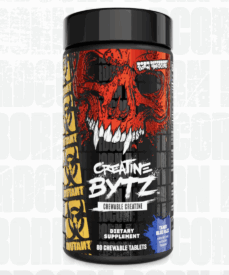
A product like MUTANT CREATINE BYTZ shows how chewable creatine can be done correctly when performance is prioritized over novelty.
Instead of relying on sugar-based gummies, it delivers:
- 5 grams of creatine monohydrate in just 4 chewable tablets
- A full clinical dose without requiring excessive servings
- Zero sugar, making it suitable for cutting or calorie-controlled diets
- A heat-stable format that doesn’t melt or become sticky
- Better potency retention compared to liquid or gummy creatine
- A clean, portable option that can be used anywhere

In this case, the chewable format enhances convenience without sacrificing effectiveness, which is where many similar products fail.
Chewables vs Powder: Which Is Better?
From a performance standpoint, neither format is inherently superior. The difference comes down to consistency, dosing accuracy, and personal preference.
Creatine powder tends to be:
- More cost-effective per gram
- Highly flexible in dosing
- Ideal for home use
Creatine chewables are often better for:
- Travel and busy schedules
- Athletes who dislike mixing powders
- Those who struggle with daily compliance
- Situations where convenience matters more than cost
As long as the daily dose is met, both formats can produce the same strength and muscle-building benefits.
Are Creatine Chewables Worth Using?
Creatine chewables can be a good way to consume creatine, provided they are properly dosed and well-formulated. The biggest mistake consumers make is assuming all chewables offer the same benefits as powder, when in reality many are underdosed or loaded with unnecessary sugars.
When chewables deliver a full clinical dose, maintain ingredient integrity, and improve consistency, they can be just as effective as traditional creatine powder—and in some cases, easier to stick with long term.
Final Verdict
Creatine chewables are not a gimmick, but they are only as good as their formulation. Poorly dosed gummies may hinder progress, while well-designed chewable tablets can offer legitimate performance benefits without compromising convenience.
For athletes who value portability and ease of use—and still want the proven benefits of creatine monohydrate—a properly dosed chewable option can be a practical and effective alternative to powder.
Let us know what you think in the comments below. Also, be sure to follow Generation Iron on Facebook, Twitter, and Instagram.