What to Eat to Build Muscle
Starting your bodybuilding journey can be exciting, but figuring out what to eat to build muscle can quickly become overwhelming. Between counting calories, tracking your protein intake, managing carbohydrates, and figuring out how much food you actually need, nutrition can feel like an entirely separate workout.
However, building a muscular physique doesn’t have to involve a complicated diet. Whether you’re new to weightlifting or just starting to take your nutrition seriously, establishing healthy eating habits is one of the most important steps toward achieving your bodybuilding goals.
A successful bodybuilding diet should provide enough protein to support muscle growth and recovery, carbohydrates to fuel demanding workouts, and healthy fats to support overall health. Just as importantly, it should include enough calories to support your individual goals.
If you’re a beginner looking to build muscle while keeping body fat under control, having a structured meal plan can make all the difference.
Our team at Generation Iron is providing a beginner bodybuilder’s 4-week meal plan, complete with breakfast, snacks, lunch, and dinner ideas to help you get started with muscle-building nutrition.
Bodybuilding Nutrition: Understanding Your Macros

Before jumping into a four-week bodybuilding meal plan, it’s important to understand the three macronutrients: protein, carbohydrates, and fats.
Each plays a different role in supporting muscle growth, workout performance, and recovery.
Protein
Protein is arguably the most important macronutrient for anyone looking to build muscle. It provides the amino acids your body needs to repair and rebuild muscle tissue following resistance training.
When you lift weights, you create stress on your muscles. Consuming adequate protein helps support muscle protein synthesis, the process responsible for repairing and building muscle tissue.
Most exercising individuals can benefit from consuming approximately 1.4–2.0 grams of protein per kilogram of body weight daily. For someone weighing 180 pounds, that works out to approximately 114–163 grams of protein per day.
Some bodybuilding nutrition recommendations suggest 1.6–2.2 grams per kilogram, particularly during muscle-building phases.
Good protein sources include:
- Chicken breast
- Lean ground beef
- Turkey breast
- Salmon and other fish
- Eggs and egg whites
- Greek yogurt
- Cottage cheese
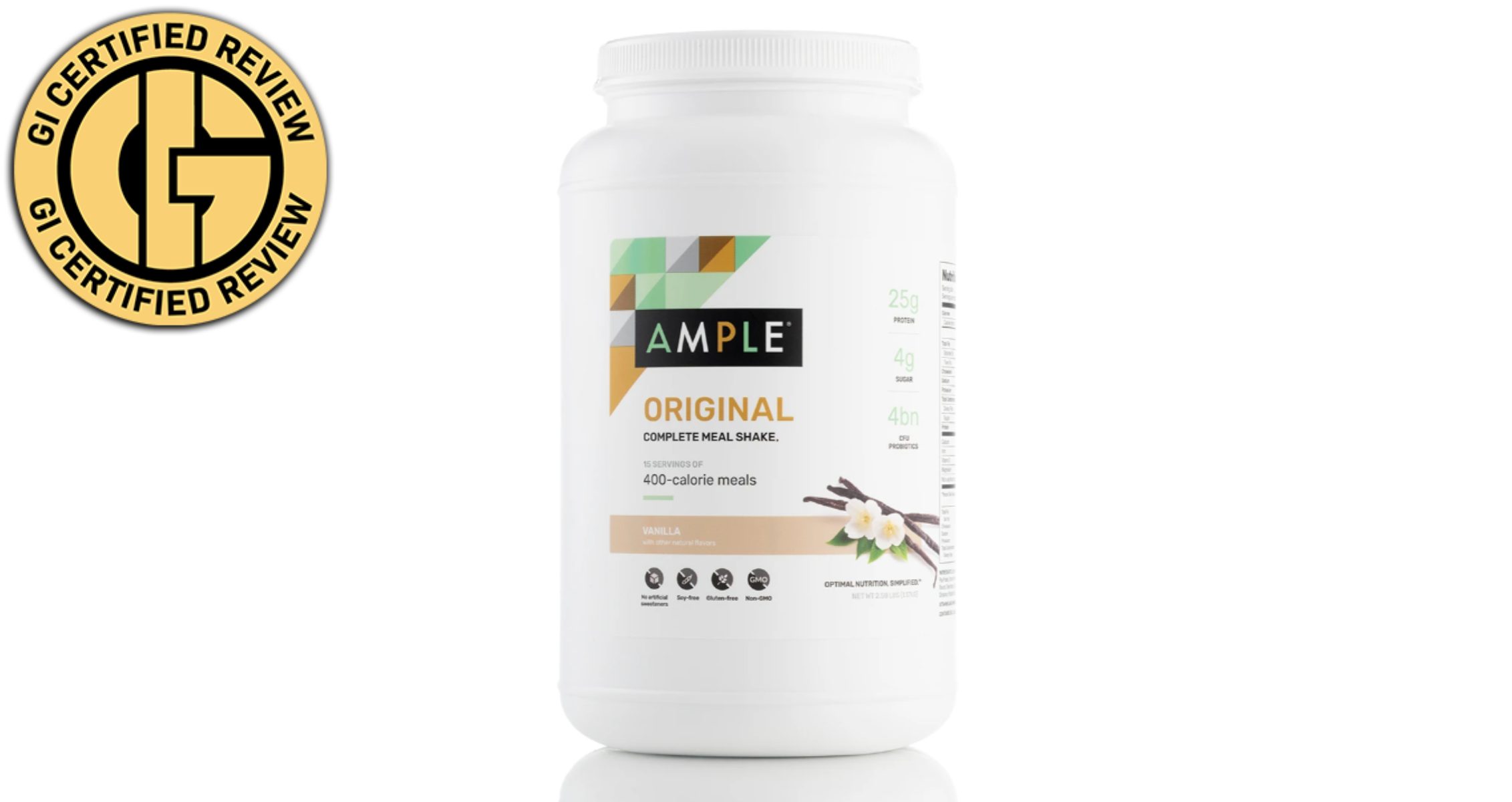
- Whey protein powder
- Lean pork
- Tuna
Try distributing your protein intake across several meals throughout the day rather than consuming most of it in one sitting.
Carbohydrates

Carbohydrates are your body’s primary source of energy during demanding resistance-training sessions. They help fuel workouts, replenish muscle glycogen, and support recovery.
Beginners sometimes make the mistake of drastically reducing carbohydrates when trying to improve their physique. However, cutting carbs too aggressively can make it harder to maintain workout intensity and meet your overall calorie needs.
Instead, prioritize nutrient-dense carbohydrate sources that provide sustained energy.
Some excellent bodybuilding carbohydrate sources include:
- Oatmeal
- Brown rice
- White rice
- Sweet potatoes
- Whole-grain bread
- Whole-wheat pasta
- Quinoa
- Bananas
- Berries
- Beans
Carbohydrate intake should be adjusted based on your calorie requirements, activity level, and training volume.
Healthy Fats
Dietary fats are another important component of a bodybuilding meal plan. They help support hormone production, nutrient absorption, and overall health.
Although fats are calorie-dense, eliminating them from your diet is not a good strategy for building muscle.
Instead, include moderate portions of healthy fat sources such as:
- Avocados
- Almonds
- Walnuts
- Natural peanut butter
- Olive oil
- Chia seeds
- Fatty fish
- Whole eggs
The goal is to create a balanced diet that provides enough protein, carbohydrates, and fats to support your training and recovery.
How Many Calories Should a Beginner Bodybuilder Eat?
One of the biggest questions beginners have is how many calories they should consume to build muscle.
Unfortunately, there isn’t one universal calorie target that works for everyone. Your ideal intake depends on your body weight, height, age, activity level, training frequency, and current body composition.
If your primary goal is to build muscle, you’ll generally want to consume slightly more calories than you burn throughout the day. This is known as a calorie surplus.
A good starting point for novice and intermediate bodybuilders is approximately 10–20% above maintenance calories, although a smaller surplus may be sufficient depending on your experience and body composition.
You should monitor your progress rather than simply eating as much as possible. A gradual rate of weight gain can help support muscle development while limiting unnecessary fat gain.
If your goal is to lose body fat while building or maintaining muscle, you may need a different calorie strategy. Beginners who are new to resistance training may be able to experience body recomposition, meaning they gain muscle while losing fat.
The most important thing is to establish a calorie target that supports your individual goals.
Beginner Bodybuilder’s 4-Week Meal Plan

The following four-week bodybuilding meal plan provides a variety of high-protein meals, complex carbohydrates, fruits, vegetables, and healthy fats.
Each week includes several breakfast, snack, lunch, and dinner options. You can rotate these meals throughout the week depending on your schedule, preferences, and nutritional requirements.
Portions should be adjusted to meet your individual calorie and macronutrient targets. These are meal ideas rather than a fixed-calorie prescription.
WEEK 1: Establishing Your Muscle-Building Nutrition
The first week focuses on simple, nutritious meals that are easy to prepare and provide a balance of protein, carbohydrates, and fats.
BREAKFAST
1. Protein Oatmeal
- 1 cup of rolled oats
- 1 scoop of vanilla whey protein
- 1 tablespoon of natural peanut butter
- ½ cup of blueberries
- Cinnamon to taste
2. Eggs and Avocado Toast
- 2 whole eggs
- 3 egg whites
- 2 slices of whole-grain toast
- ½ avocado
- 1 piece of fruit
3. Greek Yogurt Breakfast Bowl
- 1 cup of plain Greek yogurt
- ½ cup of strawberries
- ½ cup of blueberries
- ¼ cup of granola
- 1 tablespoon of chia seeds
SNACKS
1. Protein Shake and Banana
- 1 scoop of whey protein
- 1 medium banana
- Water or milk
2. Cottage Cheese and Pineapple
- 1 cup of low-fat cottage cheese
- ½ cup of pineapple
- 1 tablespoon of chopped almonds
3. Peanut Butter Toast
- 2 slices of whole-grain bread
- 1 tablespoon of natural peanut butter
- ½ banana
LUNCH
1. Grilled Chicken and Brown Rice
- 6 oz grilled chicken breast
- 1 cup of cooked brown rice
- 1 cup of steamed broccoli
- 1 tablespoon of olive oil
2. Ground Turkey Burrito Bowl
- 6 oz lean ground turkey
- 1 cup of cooked rice
- ½ cup of black beans
- Lettuce and diced tomatoes
- ¼ avocado
- Salsa
3. Tuna Salad Wrap
- 1 can of tuna
- 1 whole-grain tortilla
- 1 tablespoon of Greek yogurt or light mayonnaise
- Chopped celery
- Lettuce and tomato
- 1 piece of fruit
DINNER
1. Salmon and Sweet Potato
- 6 oz grilled salmon
- 1 medium sweet potato
- 1 cup of asparagus
- 1 teaspoon of olive oil
2. Lean Beef and Rice
- 6 oz lean ground beef
- 1 cup of cooked white or brown rice
- 1 cup of mixed vegetables
3. Chicken and Whole-Wheat Pasta
- 6 oz grilled chicken breast
- 1 cup of cooked whole-wheat pasta
- ½ cup of marinara sauce
- 1 cup of spinach
- Parmesan cheese to taste
WEEK 2: Increasing Protein and Meal Variety
Week two introduces additional protein sources and different carbohydrate options. The goal is to keep your diet interesting while maintaining consistency with your nutritional targets.
BREAKFAST
1. High-Protein Pancakes
- ½ cup of rolled oats
- 1 scoop of vanilla whey protein
- 2 eggs
- ½ banana
- ½ cup of strawberries
- Sugar-free syrup if desired
2. Turkey and Egg Breakfast Sandwich
- 2 whole eggs
- 3 slices of lean turkey breast
- 1 whole-grain English muffin
- 1 slice of reduced-fat cheese
- 1 piece of fruit
3. Banana Protein Smoothie
- 1 scoop of whey protein
- 1 medium banana
- ½ cup of Greek yogurt
- ½ cup of oats
- 1 cup of milk
- Ice
SNACKS
1. Greek Yogurt and Almonds
- 1 cup of plain Greek yogurt
- ¼ cup of almonds
- ½ cup of mixed berries
2. Hard-Boiled Eggs and Fruit
- 2 hard-boiled eggs
- 1 apple
- 1 serving of whole-grain crackers
3. Protein Pudding
- 1 scoop of chocolate whey protein
- ¾ cup of Greek yogurt
- A splash of milk
- 1 tablespoon of natural peanut butter
Mix until smooth and refrigerate until ready to eat.
LUNCH
1. Chicken Fajita Bowl
- 6 oz grilled chicken breast
- 1 cup of cooked rice
- Sauteed bell peppers and onions
- ¼ avocado
- Salsa
2. Lean Beef Burger
- 6 oz lean ground beef patty
- 1 whole-grain burger bun
- Lettuce and tomato
- 1 slice of reduced-fat cheese
- 1 medium baked potato
3. Turkey and Quinoa Salad
- 6 oz grilled turkey breast
- 1 cup of cooked quinoa
- 1 cup of mixed greens
- Chopped cucumber and tomatoes
- 1 tablespoon of olive oil and lemon juice
DINNER
1. Shrimp and Rice Stir-Fry
- 7 oz shrimp
- 1 cup of cooked rice
- 2 cups of mixed stir-fry vegetables
- 1 tablespoon of low-sodium soy sauce
- 1 teaspoon of sesame oil
2. Grilled Steak and Potatoes
- 6 oz lean sirloin steak
- 1 medium baked potato
- 1 cup of green beans
- 1 teaspoon of olive oil
3. Turkey Meatballs and Pasta
- 6 oz lean ground turkey formed into meatballs
- 1 cup of cooked whole-wheat pasta
- ½ cup of marinara sauce
- 1 cup of steamed broccoli
WEEK 3: Supporting Training Performance and Recovery

By week three, you should have a better understanding of how to structure your meals around your training schedule.
This week’s options include a variety of protein sources and carbohydrate-rich foods to help support workout performance and muscle recovery.
BREAKFAST
1. Breakfast Burrito
- 2 whole eggs
- 3 egg whites
- 1 whole-grain tortilla
- ¼ cup of black beans
- Diced tomatoes
- ¼ avocado
2. Overnight Protein Oats
- 1 cup of rolled oats
- 1 scoop of whey protein
- 1 cup of milk
- ½ cup of blueberries
- 1 tablespoon of almond butter
Combine the ingredients and refrigerate overnight.
3. Cottage Cheese and French Toast
- 2 slices of whole-grain bread
- 2 eggs
- ½ cup of cottage cheese
- Cinnamon
- ½ cup of strawberries
SNACKS
1. Rice Cakes and Peanut Butter
- 3 rice cakes
- 1 tablespoon of natural peanut butter
- 1 scoop of whey protein mixed with water
2. Cottage Cheese and Berries
- 1 cup of low-fat cottage cheese
- ½ cup of mixed berries
- 1 tablespoon of chopped walnuts
3. Turkey Roll-Ups
- 4 oz sliced turkey breast
- 1 slice of reduced-fat cheese
- Cucumber slices
- 1 apple
LUNCH
1. Grilled Chicken Pesto Pasta
- 6 oz grilled chicken breast
- 1 cup of cooked pasta
- 1 tablespoon of pesto
- 1 cup of spinach
- Cherry tomatoes
2. Salmon Rice Bowl
- 6 oz grilled salmon
- 1 cup of cooked jasmine rice
- 1 cup of steamed broccoli
- 1 tablespoon of low-sodium soy sauce
3. Lean Beef and Sweet Potato Bowl
- 6 oz lean ground beef
- 1 medium sweet potato
- 1 cup of roasted vegetables
- 1 tablespoon of olive oil
DINNER
1. Chicken and Black Bean Burrito
- 6 oz grilled chicken
- 1 large whole-grain tortilla
- ½ cup of black beans
- Shredded lettuce
- Diced tomatoes
- Salsa
- ¼ avocado
2. Pork Tenderloin and Rice
- 6 oz grilled pork tenderloin
- 1 cup of cooked brown rice
- 1 cup of roasted Brussels sprouts
- 1 teaspoon of olive oil
3. Baked Cod and Potatoes
- 7 oz baked cod
- 1 medium roasted potato
- 1 cup of asparagus
- Lemon juice and seasonings
WEEK 4: Building Sustainable Bodybuilding Eating Habits
The fourth week focuses on maintaining consistency and learning how to incorporate nutritious meals into your everyday lifestyle.
You don’t need to eat the same foods every day to build muscle. In fact, having a variety of options can make it easier to stick to your nutrition plan over the long term.
BREAKFAST
1. Veggie and Egg Omelet
- 2 whole eggs
- 4 egg whites
- ½ cup of chopped spinach
- Diced tomatoes and peppers
- 2 slices of whole-grain toast
- ¼ avocado
2. Protein Waffles
- 1 serving of whole-grain protein waffle mix
- 1 scoop of whey protein if needed to meet protein goals
- ½ cup of strawberries
- 1 tablespoon of natural peanut butter
3. Peanut Butter Banana Oatmeal
- 1 cup of rolled oats
- 1 scoop of vanilla whey protein
- 1 medium banana
- 1 tablespoon of peanut butter
- Cinnamon
SNACKS
1. Protein Smoothie
- 1 scoop of whey protein
- 1 cup of milk
- ½ cup of frozen berries
- 1 tablespoon of almond butter
- Ice
2. Greek Yogurt and Granola
- 1 cup of Greek yogurt
- ¼ cup of granola
- ½ cup of blueberries
3. Eggs and Whole-Grain Crackers
- 2 hard-boiled eggs
- 1 serving of whole-grain crackers
- 1 orange
LUNCH
1. Grilled Chicken and Quinoa Bowl
- 6 oz grilled chicken breast
- 1 cup of cooked quinoa
- 1 cup of roasted vegetables
- 1 tablespoon of olive oil
2. Turkey Burger and Potato Wedges
- 6 oz lean ground turkey patty
- 1 whole-grain burger bun
- Lettuce and tomato
- 1 medium baked potato cut into wedges
3. Steak and Avocado Wrap
- 6 oz lean grilled steak
- 1 whole-grain tortilla
- ¼ avocado
- Lettuce and tomato
- 1 tablespoon of Greek yogurt dressing
DINNER
1. Garlic Salmon and Rice
- 6 oz grilled salmon
- 1 cup of cooked brown rice
- 1 cup of steamed broccoli
- Garlic and lemon seasoning
2. Chicken and Vegetable Stir-Fry
- 6 oz grilled chicken breast
- 1 cup of cooked jasmine rice
- 2 cups of mixed vegetables
- 1 tablespoon of low-sodium soy sauce
3. Lean Beef and Sweet Potato
- 6 oz lean sirloin steak
- 1 medium sweet potato
- 1 cup of roasted asparagus
- 1 teaspoon of olive oil
Bodybuilding Meal Prep Tips for Beginners

Following a bodybuilding meal plan becomes much easier when you prepare your food ahead of time.
Meal prepping can help you stay consistent, save time, and avoid relying on fast food or less nutritious options when your schedule gets busy.
Here are a few tips to make bodybuilding meal prep easier:
- Prepare protein in bulk: Cook several servings of chicken, turkey, lean beef, or fish ahead of time so you always have a protein source available.
- Cook carbohydrates in advance: Prepare rice, quinoa, potatoes, or pasta in larger batches to simplify your meals throughout the week.
- Keep healthy snacks available: Greek yogurt, cottage cheese, protein shakes, fruit, and nuts are convenient options.
- Use food containers: Portioning meals into containers makes it easier to manage serving sizes and track your nutrition.
- Track your macronutrients: Use a nutrition-tracking app to monitor protein, carbohydrate, fat, and calorie intake.
- Stay hydrated: Drink water consistently throughout the day, especially before, during, and after training.
You should also remember that bodybuilding nutrition doesn’t require perfection. Eating a meal that doesn’t fit perfectly into your plan isn’t going to ruin your progress. What matters most is your overall consistency.
Should Beginners Use Protein Supplements?
Protein supplements can be a convenient addition to a bodybuilding diet, especially if you’re struggling to consume enough protein through whole foods.
Whey protein is one of the most popular options because it provides a convenient source of high-quality protein and contains essential amino acids that support muscle protein synthesis.
However, protein powder isn’t a requirement for building muscle. You can meet your daily protein needs through foods like chicken, eggs, fish, lean beef, Greek yogurt, and cottage cheese.
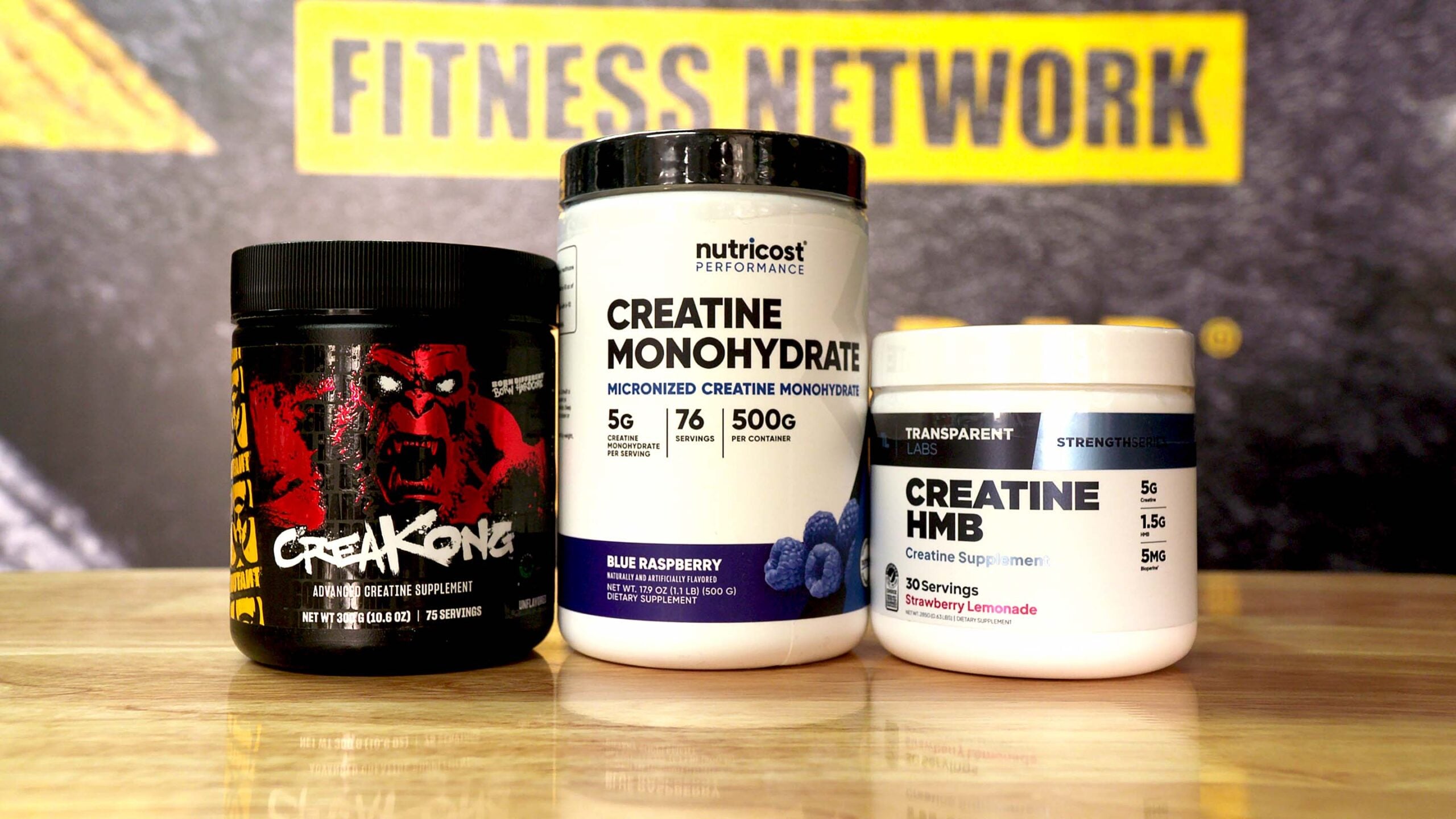
Other supplements, such as creatine monohydrate, may also support your training. Creatine has been extensively researched for its ability to improve performance during repeated high-intensity exercise and support increases in strength and lean mass when combined with resistance training.
The key is to establish a solid nutrition and training foundation before worrying about adding multiple supplements to your routine.
Final Thoughts on a Beginner Bodybuilder’s 4-Week Meal Plan
Starting a bodybuilding diet doesn’t have to be complicated. The most important thing is learning how to consistently provide your body with the nutrients it needs to build muscle, recover from training, and support overall health.
This four-week beginner bodybuilder meal plan provides a starting point with a variety of protein-rich foods, complex carbohydrates, fruits, vegetables, and healthy fats.
Remember that your calorie and macronutrient requirements will depend on your individual body composition and goals. Adjust your portions as needed, monitor your progress, and make changes based on how your body responds.
Most importantly, don’t underestimate the value of consistency. Building an impressive physique takes time, and your nutrition habits will play a major role in determining your results.
Stick with your training, prioritize recovery, and make smart nutritional choices. Your future physique will thank you.
Let us know what you think in the comments below. Also, be sure to follow Generation Iron on Facebook, Twitter, and Instagram.