Everyone has a lot to say about the subject, but what’s the truth behind creatine?
If you’ve spent any time in a gym, you’ve probably heard someone say it: “Creatine is basically a steroid.” Or worse, “That stuff will ruin your kidneys.”
These claims have been circulating for years, and unfortunately, many beginners accept them without ever looking at the science. The truth? Creatine is one of the most researched sports supplements in the world, more so than things like joint supplements or even pre-workouts. Yet myths still dominate the conversation.
If you’re new to bodybuilding or strength training and trying to decide whether creatine is right for you, our team at Generation Iron is going to break down the biggest misconceptions — and the real, science-backed benefits — so you can make an informed decision.
What Is Creatine?
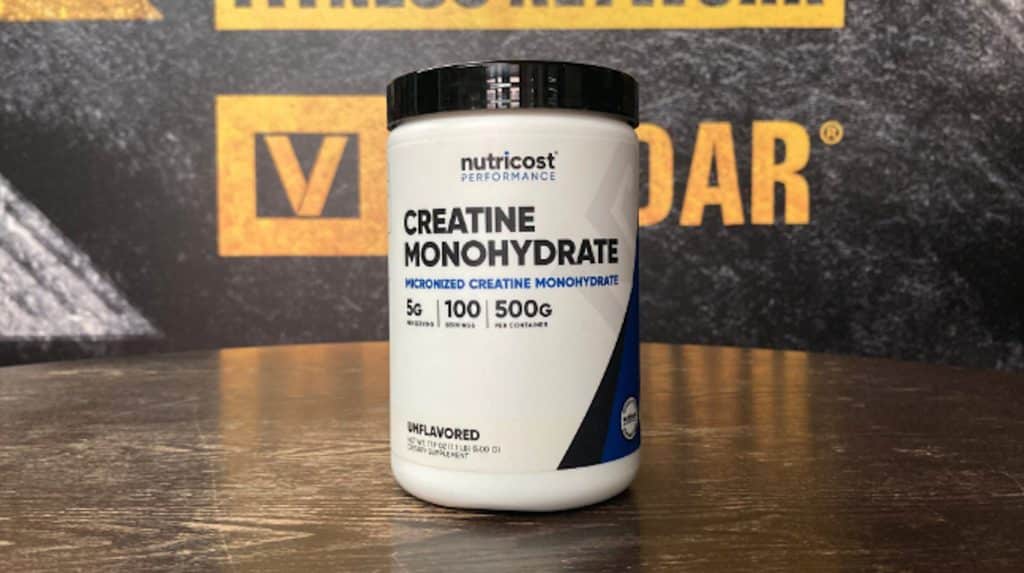
Before we dive into myth-busting, let’s clarify what creatine actually is.
Creatine is a naturally occurring compound found in:
Red meat and fish
Your own body (primarily produced in the liver, kidneys, and pancreas)
Your skeletal muscle tissue
About 95% of your body’s creatine is stored in muscle, where it plays a key role in producing ATP (adenosine triphosphate) — your body’s primary energy currency during short, high-intensity activities like sprinting and weightlifting.
In supplement form, creatine (most commonly creatine monohydrate) increases the amount of stored creatine in your muscles, improving your ability to produce energy during intense training.
Now let’s address the myths.
Myths About Creatine
Myth #1: Creatine Is a Steroid
This is the most common and most inaccurate claim. Creatine is not an anabolic steroid.
Anabolic steroids are synthetic derivatives of testosterone that alter hormone levels and are regulated or illegal without a prescription. Creatine does not affect your hormones, testosterone levels, or endocrine system.
Key facts:
Creatine is naturally found in foods like beef and salmon.
Your body produces creatine on its own.
It is legal and widely available over the counter.
It does not mimic testosterone.
While creatine can improve strength and muscle size, it does so by enhancing energy production and increasing training capacity — not by manipulating hormones.
Calling creatine a steroid is like calling protein powder a steroid. It simply isn’t accurate.
Myth #2: Creatine Causes Kidney Damage
This myth likely started because creatine supplementation increases creatinine levels in the blood — a marker doctors use to assess kidney function.
Here’s the important distinction:
Creatinine is a normal byproduct of creatine metabolism. When you supplement creatine, creatinine levels may slightly increase — but that does not mean kidney damage is occurring.
Extensive research has shown that creatine supplementation is safe for healthy individuals when used at recommended doses (typically 3–5 grams per day).
Who should be cautious?
Individuals with pre-existing kidney disease
Those with impaired kidney function
Anyone advised otherwise by a healthcare professional
For healthy athletes and lifters, long-term studies have consistently shown no evidence of kidney harm from standard creatine use.
As always, hydration and responsible dosing matter.
Myth #3: Your Muscles “Deflate” When You Stop Taking Creatine
This myth is similar to the idea that “muscle turns into fat” when you stop training — which is biologically impossible.
Here’s what actually happens:
Creatine increases water content inside muscle cells. This intracellular hydration can make muscles look fuller and slightly larger.
If you stop taking creatine:
You may lose some of that additional water retention.
Your muscles may look slightly less “full.”
You do NOT lose actual muscle tissue — unless you stop training.
If you continue lifting and eating properly, your muscle mass remains. Creatine enhances performance and volume; it doesn’t magically create muscle that disappears overnight.
The Truth About Creatine: 3 Science-Backed Benefits

Now that we’ve cleared up the misconceptions, let’s talk about what creatine actually does.
Fact #1: Creatine Supports Brain Function
Most people associate creatine strictly with muscle — but your brain also relies on it.
The brain uses ATP for energy-intensive processes like:
Synaptic signaling
Memory formation
Creatine helps maintain cellular energy levels in the brain. Some research suggests it may:
Support short-term memory
Improve mental fatigue resistance
Offer neuroprotective properties
Creatine may also help protect against excitotoxicity — a process where nerve cells are damaged due to excessive stimulation by neurotransmitters like glutamate.
While more research is ongoing, the cognitive benefits of creatine are an exciting and often overlooked area.
Fact #2: Creatine Boosts Strength and Training Performance
This is where creatine shines.
By increasing phosphocreatine stores in your muscles, creatine helps regenerate ATP faster during high-intensity efforts.
What does that mean in practical terms?
More reps at a given weight
Slightly heavier lifts
Improved sprint performance
Better high-intensity output
Over time, this improved performance can lead to greater muscle growth because you’re able to train harder and more consistently.
Creatine doesn’t directly build muscle — it enhances your ability to stimulate muscle growth through better training sessions.
Fact #3: Creatine May Improve Recovery
Recovery is where gains are actually made. Some research suggests creatine supplementation may:
Reduce markers of muscle damage
Lower post-exercise inflammation
Improve glycogen replenishment
Support faster recovery between sessions
If you train intensely — whether in bodybuilding, powerlifting, CrossFit, or field sports — faster recovery means higher quality training over time.
And higher quality training equals better long-term results.
How to Use Creatine Properly
If you decide to supplement, moderation and consistency matter.
Standard dosage:
No cycling required
No loading phase necessary (though optional)
Stay hydrated, take it consistently, and pair it with a structured training program and adequate protein intake.
Creatine is not magic. It amplifies effort — it doesn’t replace it.
Is Creatine Right for You?

Creatine is one of the safest and most researched supplements available. For beginners especially, it can be a simple and cost-effective way to improve performance and support long-term muscle growth.
However:
It’s not mandatory.
It’s not a shortcut.
It works best when paired with disciplined training and nutrition.
If you’re new to bodybuilding or strength training, use this as a starting point. Do your research. Talk to a healthcare professional if needed. Then decide based on facts — not gym rumors.
The Best Creatine Supplement
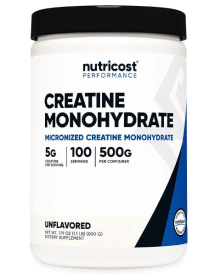
Get all of the benefits of micronized creatine without breaking the bank and activate muscle building quickly.
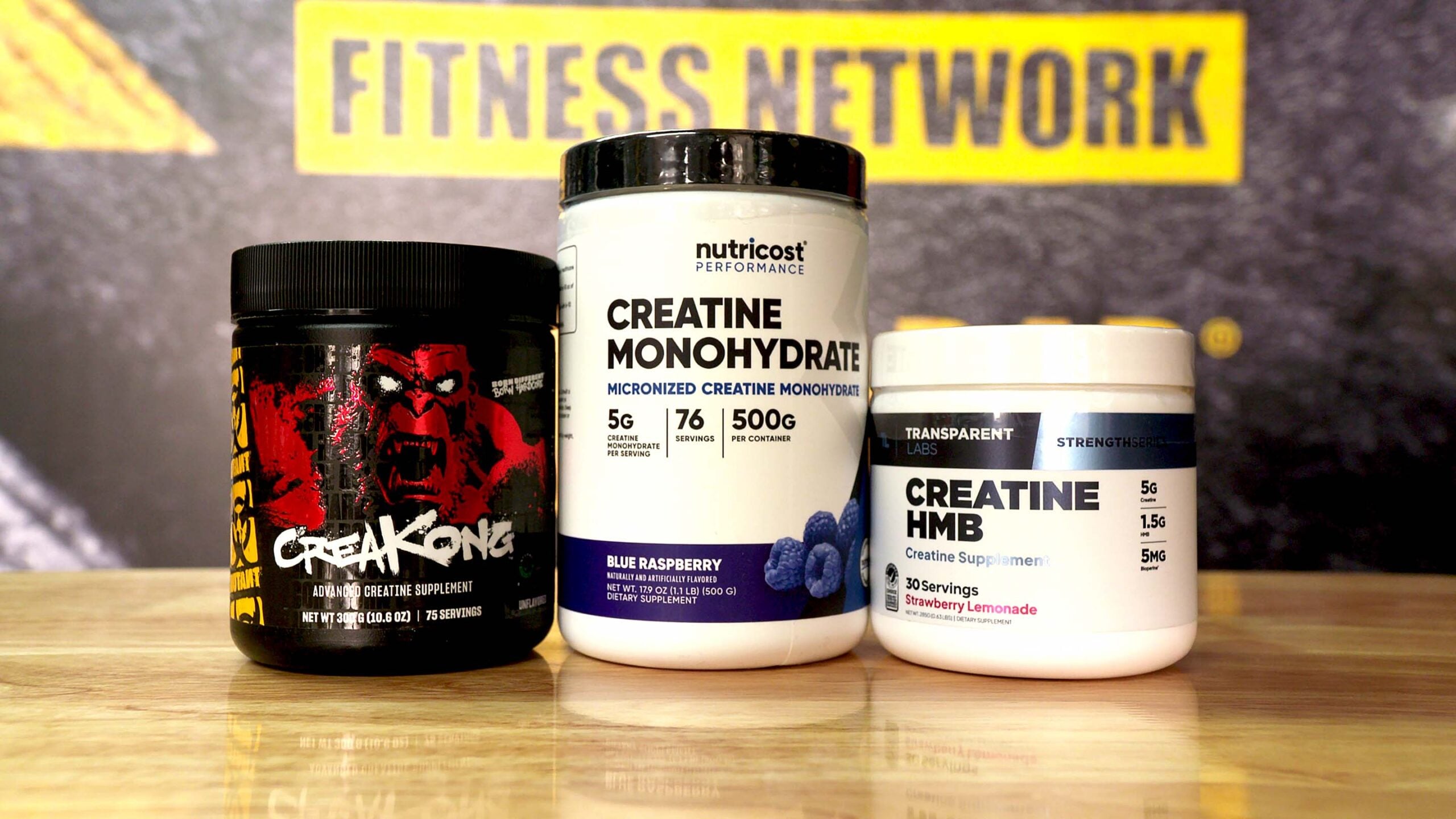
Our favorite budget-friendly creatine supplement is Nutricost Creatine Monohydrate, delivering a full 5,000mg (5g) per scoop with an impressive 100 servings per container. Each serving contains 100% pure creatine monohydrate as the only active ingredient — no artificial additives, no fillers, and no unnecessary extras. This simplicity ensures you’re getting a clean, effective, and research-backed form of creatine that supports strength, power output, and muscle recovery.
The recommended use is 1 scoop taken about 30 minutes after your workout, making it easy to incorporate into any training routine. Nutricost stands out for its strong reputation and commitment to quality, including rigorous third-party testing to verify purity and potency. At just $21.15 for 100 servings, it offers exceptional value compared to many competitors on the market.
While it may not mix quite as smoothly as some ultra-micronized options, the clean formula, trusted manufacturing standards, and unbeatable price make Nutricost Creatine a smart and reliable choice for beginners and experienced lifters alike.
Final Thoughts
Creatine has been misunderstood for decades, but science continues to support its safety and effectiveness for healthy individuals. It’s not a steroid. It doesn’t destroy your kidneys. And your muscles won’t disappear if you stop taking it. Used responsibly, creatine can be a powerful tool in your training arsenal — and possibly even beneficial beyond the gym.
If creatine has made a difference in your training, share your experience and continue educating others with facts, not myths.
Generation Iron may receive commissions on purchases made through our links. See our disclosure page for more information.
Let us know what you think in the comments below. Also, be sure to follow Generation Iron on Facebook, Twitter, and Instagram.
References
- Kreider, R. B., Kalman, D. S., Antonio, J., et al. (2017). International Society of Sports Nutrition position stand: Safety and efficacy of creatine supplementation in exercise, sport, and medicine. Journal of the International Society of Sports Nutrition, 14(18). https://doi.org/10.1186/s12970-017-0173-z
- Buford, T. W., Kreider, R. B., Stout, J. R., et al. (2007). International Society of Sports Nutrition position stand: Creatine supplementation and exercise. Journal of the International Society of Sports Nutrition, 4(6). https://doi.org/10.1186/1550-2783-4-6
- Branch, J. D. (2003). Effect of creatine supplementation on body composition and performance: A meta-analysis. International Journal of Sport Nutrition and Exercise Metabolism, 13(2), 198–226. https://doi.org/10.1123/ijsnem.13.2.198