New legislation takes effect January 1, 2027, targeting weight-loss and muscle-building products sold to anyone under 18
California is introducing new restrictions on the sale of dietary supplements marketed for muscle building and weight loss. The law, signed by Governor Gavin Newsom on September 28, will prohibit retailers from selling certain products to anyone under 18 beginning January 1, 2027.
The legislation, known as Assembly Bill 2030, applies to supplement stores, pharmacies, grocery stores and online retailers. It also introduces age-verification requirements and financial penalties for businesses that violate the restrictions.
While some headlines have suggested California is banning minors from purchasing protein supplements, the actual legislation is more nuanced. Products are evaluated based on their ingredients, marketing claims and how they are presented to consumers.

What Supplements Are Covered Under the New Law?
According to the full text of AB 2030, the restrictions target over-the-counter diet pills and dietary supplements marketed or represented as helping consumers lose weight or build muscle.
The legislation identifies several ingredients that courts may consider when determining whether a product falls under the restrictions:
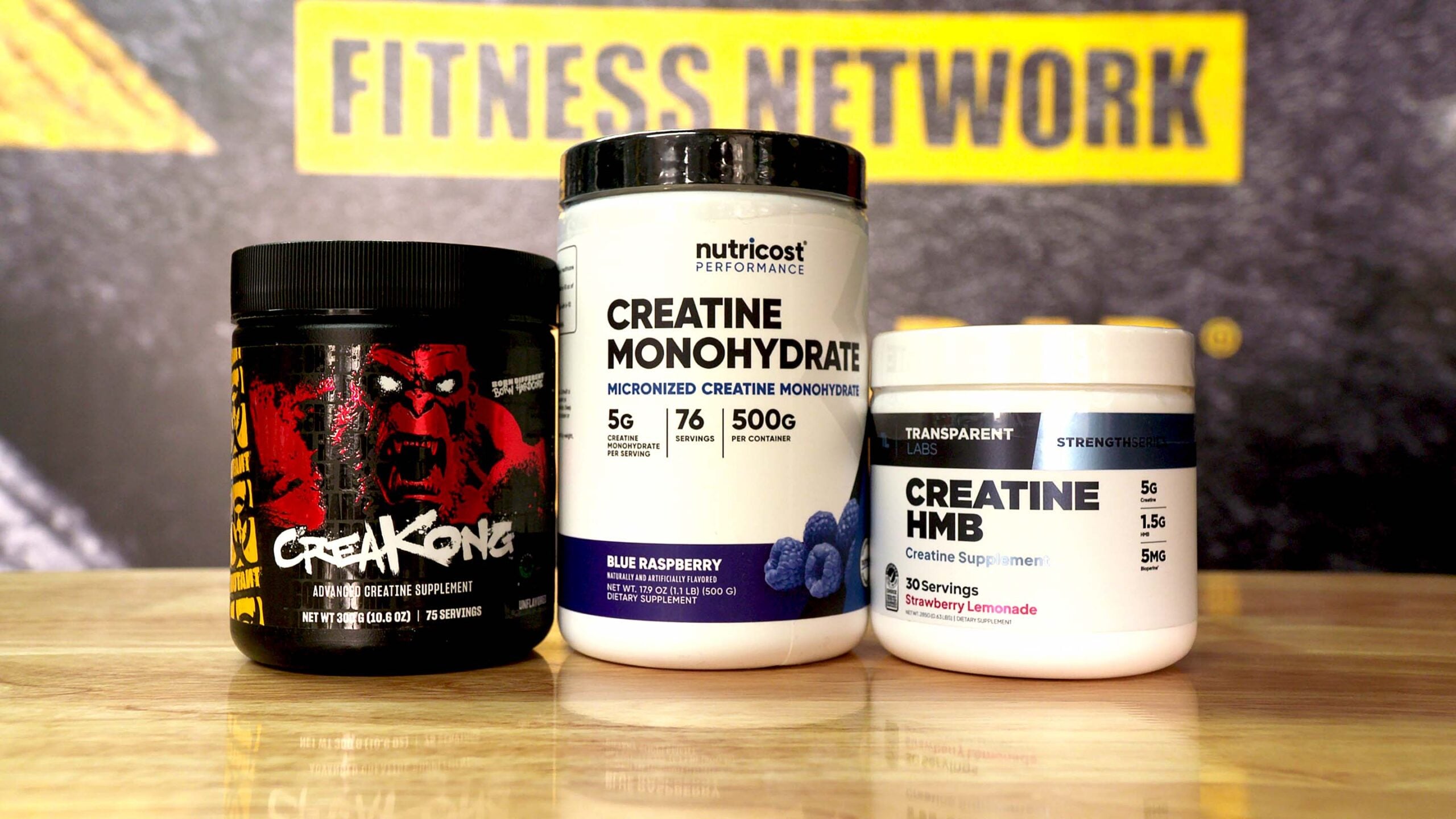
- Creatine
- Green tea extract
- Raspberry ketone
- Garcinia cambogia
- Green coffee bean extract
- Steroids
However, the presence of these ingredients does not automatically make a product subject to the restrictions.
The law also considers advertising claims, packaging and whether retailers promote products as increasing muscle mass, strength or weight loss.
Importantly, the legislation does not explicitly ban all protein powder purchases by minors. However, unlike similar legislation in New York, California’s law does not specifically exempt protein supplements.
That means protein products advertised for muscle growth or increased strength could potentially fall under the restrictions.
Newsom Explains the Reasoning Behind the Law
When signing the legislation on September 28, Newsom’s press office shared the following statement on social media:
“Keeping harmful substances out of kids’ hands by banning the sale of an over-the-counter diet pill or dietary supplement for weight loss or muscle building to anyone under 18 years of age.
Nonprescribed, medically unapproved weight loss or muscle-building products can have dangerous side effects and are too often mislabeled or tainted with harmful products, like steroids, yet nearly 1 in 10 adolescents have used such products.
In addition to the immediate risks, youth who use over-the-counter diet pills are six times more likely to be diagnosed with an eating disorder within three years than nonusers.”
The statement highlighted concerns about supplement contamination, potentially dangerous ingredients and the relationship between adolescent diet-pill use and eating disorders.
WATCH GI’s BEST CREATINE SUPPLEMENTS FOR 2026:
How Will California Enforce the Restrictions?
Under the new law, retailers must request identification when they cannot reasonably determine whether a customer is at least 18.
Online sellers must also verify customers’ ages through approved verification methods or require an adult signature and identification upon delivery.
Businesses violating the restrictions could face civil penalties of up to $500 per violation.
The law includes an exception for minors who have a prescription for an otherwise restricted product.
For young athletes and aspiring bodybuilders, the biggest question will be how retailers classify commonly used supplements, particularly protein powders and creatine products marketed for muscle growth.
The restrictions will take effect on January 1, 2027, giving retailers time to prepare for the new requirements.