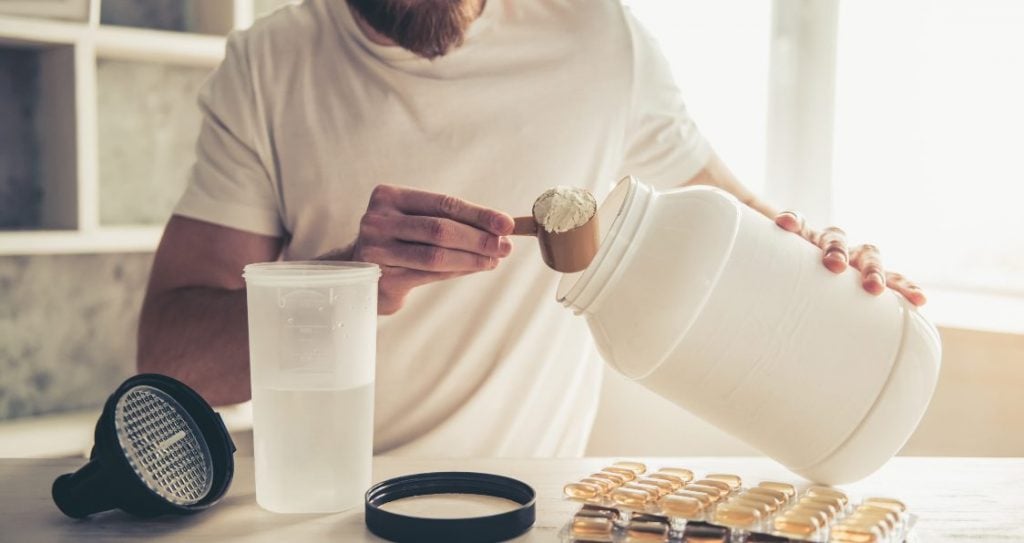
What goes into the crafting of this muscle-building supplement
Though many people have negative opinions of it, creatine is one of the most researched and widely used sports supplements for athletes, bodybuilders, and fitness enthusiasts. Known for its ability to boost muscle mass, enhance strength, support recovery, and improve focus, creatine remains a must-have supplement for anyone serious about their training results.
In this article, our team at Generation Iron will break down how creatine is made, explore the different types of creatine available, and our top recommended creatine supplement for bulking and muscle growth in 2025.
How Creatine Is Made

Creatine production for supplementation begins with basic amino acids — glycine, arginine, and methionine. Naturally, these amino acids are produced by the human body, mainly in the liver, kidneys, and pancreas. However, to meet the high demand for supplementation, creatine is manufactured in controlled laboratory environments.
Here is the step-by-step process of how creatine is made:
1. Synthesis
The chemical process starts by combining glycine and cyanamide. Under heat and pressure, these two compounds react to form creatine crystals. The process is carefully monitored to ensure high yields and consistency.
2. Purification
The raw creatine is filtered multiple times to eliminate unwanted byproducts, ensuring high purity. This stage is critical for producing pharmaceutical-grade creatine that meets industry safety and performance standards.
3. Drying and Milling
The purified creatine is then dried to remove any residual moisture and milled into a fine powder. This increases solubility and makes the final product easier to mix with water or other beverages.
4. Quality Testing
Reputable companies subject their creatine to third-party laboratory testing for purity, potency, and absence of contaminants. Only batches that meet strict standards are packaged and released for sale.
By following this meticulous production process, supplement manufacturers create a safe, effective, and highly bioavailable form of creatine ready to support muscle energy and recovery.
Different Types of Creatine
There are several forms of creatine available on the market. Each form has slight variations in absorption rate, solubility, and effectiveness.
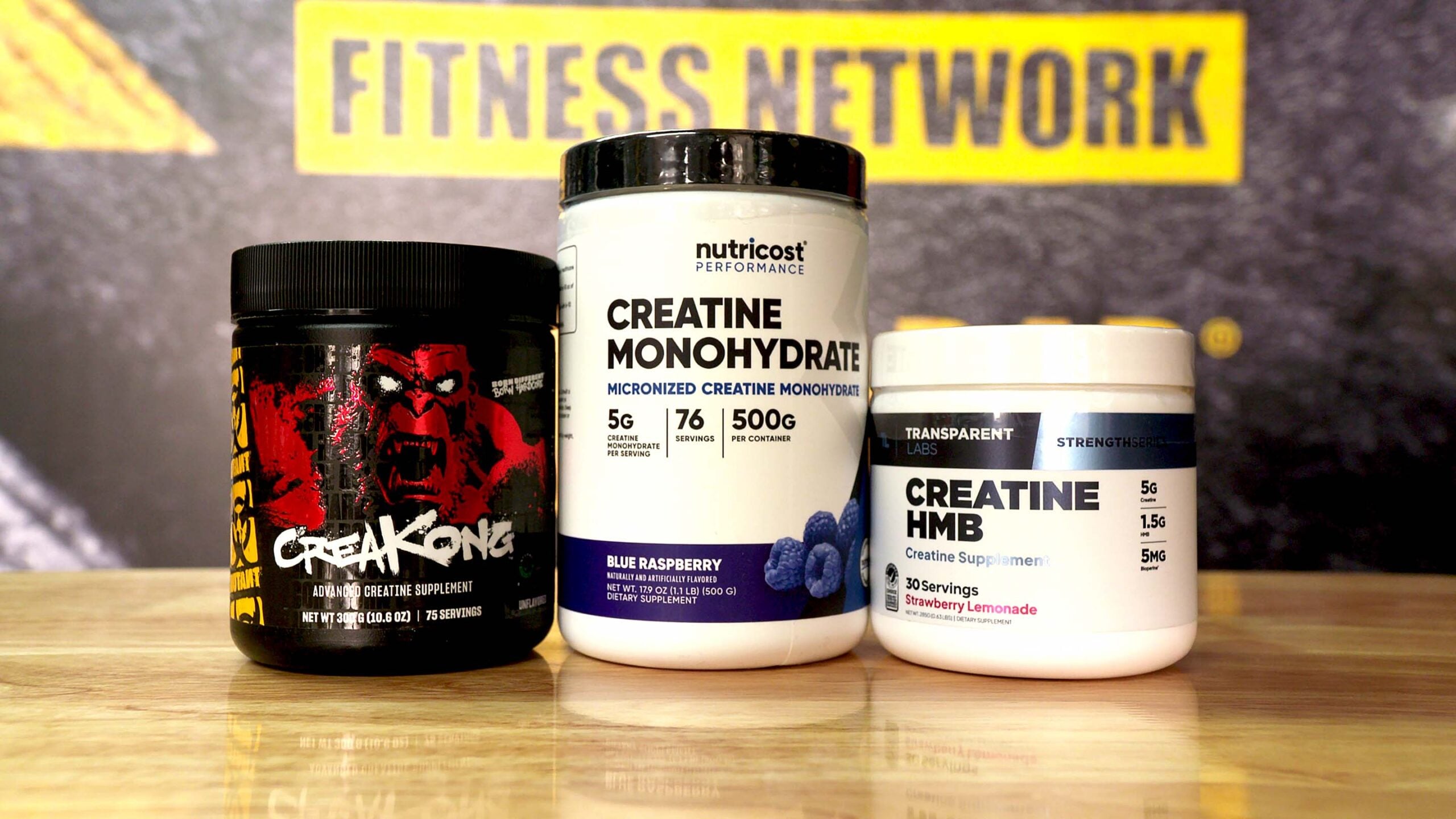
1. Creatine Monohydrate
The most studied and widely recommended form of creatine. Creatine monohydrate is known for its affordability, safety, and high efficacy in boosting strength and muscle mass.
2. Creatine Hydrochloride (Creatine HCL)
Creatine HCL is bound to hydrochloric acid, making it more water-soluble than monohydrate. It is often marketed as causing less bloating and requiring smaller doses.
3. Creatine Nitrate
This form combines creatine with nitrate to potentially enhance blood flow and muscle pumps, making it a favorite for endurance athletes and bodybuilders.
4. Creatine Ethyl Ester
Creatine ethyl ester is designed to enhance absorption through fat pathways rather than water, although research is mixed on whether it outperforms monohydrate.
5. Buffered Creatine (Kre-Alkalyn)
This type of creatine is formulated with a higher pH level, claimed to remain stable in the stomach and promote better absorption with fewer digestive issues.
6. Creatine Magnesium Chelate
This variant binds creatine to magnesium, an essential mineral involved in energy production, potentially enhancing muscle recovery and ATP generation.
Choosing the right type of creatine can maximize your training results depending on your goals and digestive tolerance.
Why Nutricost Creatine Is the Best Creatine Supplement for 2025
After comprehensive testing and expert reviews, Nutricost Creatine stands out as the best creatine supplement for bulking, muscle growth, and recovery in 2025.
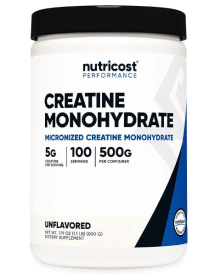
Get all of the benefits of micronized creatine without breaking the bank and activate muscle building quickly.
| Amount Of Creatine | 5,000mg |
| Number Of Servings | 100 |
| Serving Size | 1 scoop |
| Best Way To Take | Take 1 scoop 30 minutes after a workout. |
Nutricost Creatine is a pure creatine monohydrate supplement designed to give users a high-quality, budget-friendly way to increase strength, power, and overall performance. With a 100% creatine monohydrate formula as its only active ingredient, it delivers exactly what you need—no fillers, no unnecessary additives, and no artificial ingredients that could cause unwanted side effects.
Nutricost places a strong emphasis on product purity, backing its creatine with rigorous third-party testing to ensure you get a clean, reliable, and accurately dosed supplement every time.
Pros
- Clean, single-ingredient formula
- No artificial additives or fillers
- Excellent price for the quality
- Made by a reputable, trusted company
Cons
- May not mix as smoothly as some micronized creatine options
Price: $21.15 for 100 servings
Read our full Nutricost Creatine review.
Wrap Up
Creatine remains a cornerstone supplement for athletes who want to maximize strength, muscle mass, endurance, and recovery. Understanding how creatine is made, the different types available, and how to select the best product can significantly impact your performance and results.
For those looking for the most effective, science-backed creatine supplement available, Nutricost Creatine is the clear choice for 2025. Combining the top three forms of creatine, strict quality testing, and a value-driven price, it stands as the leading creatine option for anyone serious about their gains.
Order Nutricost Creatine today and take the next step toward your best physique yet.
Let us know what you think in the comments below. Also, be sure to follow Generation Iron on Facebook, Twitter, and Instagram.