Which is the powerhouse ingredient in your pre-workout?
It is no secret that pre-workout supplements have evolved dramatically over the years, but one topic still sparks debate among gym-goers and athletes: DMAA vs DMHA vs caffeine. These stimulant ingredients are often compared because they all aim to improve energy, focus, motivation, and workout intensity. However, they work differently, come with different risks, and vary significantly when it comes to legality and safety.
If you’ve ever wondered whether DMAA, DMHA, or caffeine is the better option for training performance, this guide from our team at Generation Iron breaks down everything you need to know.
What Is DMAA?
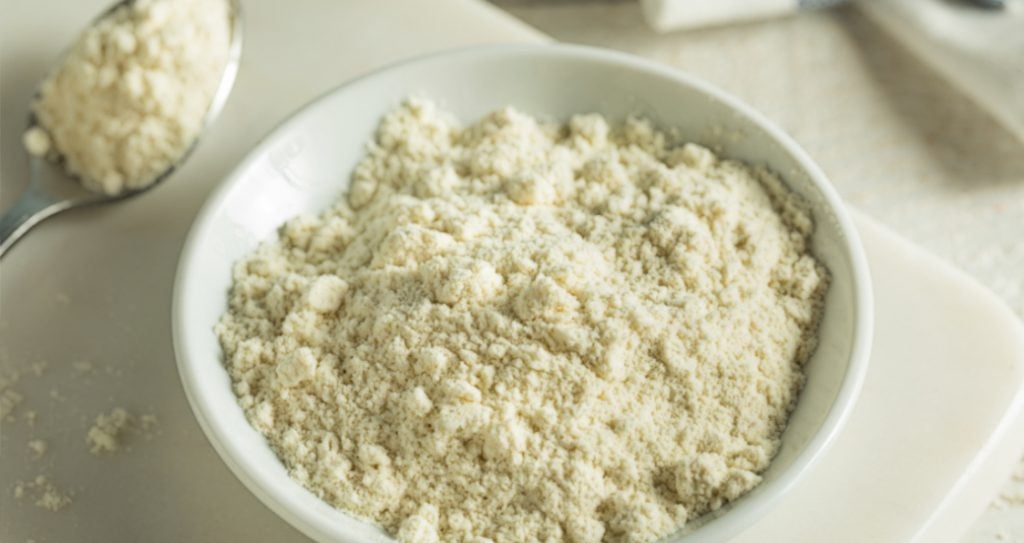
DMAA, short for 1,3-dimethylamylamine, became extremely popular in the early 2010s as a powerful stimulant ingredient found in many hardcore pre-workouts and fat burners.
DMAA was known for providing:
- Intense energy
- Heightened focus
- Increased workout aggression
- Appetite suppression
- Euphoric stimulation
Many users described DMAA products as delivering an almost tunnel-vision style focus in the gym. This made it especially popular among bodybuilders, powerlifters, and high-intensity athletes.
Why DMAA Became Controversial
Despite its popularity, DMAA quickly became controversial due to safety concerns. Reports linked high doses and misuse of DMAA-containing products to serious cardiovascular side effects, especially when combined with excessive caffeine or other stimulants.
Potential side effects included:
- Elevated blood pressure
- Increased heart rate
- Anxiety
- Headaches
- Heart complications in extreme cases
The FDA eventually cracked down on DMAA-containing supplements, and the ingredient is now largely banned from mainstream supplement products in the United States.
Because of this, many companies began searching for alternatives that could mimic the effects of DMAA while remaining available on the market.
What Is DMHA?

DMHA, or dimethylhexylamine, emerged as one of the most common DMAA alternatives in the supplement industry.
DMHA products are often marketed as delivering:
- Strong energy
- Enhanced mood
- Increased focus
- Long-lasting stimulation
- Improved workout intensity
Compared to DMAA, many users describe DMHA as smoother and less aggressive while still being significantly stronger than standard caffeine-based products.
How DMHA Differs From DMAA
Although the two compounds are often compared, DMHA is generally considered:
- Less intense than DMAA
- Slightly longer lasting
- Less likely to cause extreme crashes
- Still very stimulant-heavy
That said, DMHA still carries potential risks, especially at high dosages or when stacked with other stimulants.
Possible side effects may include:
- Jitters
- Anxiety
- Sleep disruption
- Increased heart rate
- Elevated blood pressure
The legality and regulatory status of DMHA products also remain somewhat controversial in the supplement industry.
What Is Caffeine?
Caffeine is by far the most researched and widely used stimulant in the world. Unlike DMAA and DMHA, caffeine has decades of scientific research supporting both its effectiveness and reasonable safety profile when used responsibly.
Caffeine works primarily by blocking adenosine receptors in the brain, helping reduce feelings of fatigue and increasing alertness.
Benefits of caffeine may include:
- Improved focus
- Better exercise performance
- Increased alertness
- Enhanced endurance
- Reduced perceived fatigue
- Improved reaction time
Because caffeine is well studied and legal, it remains the foundation of most mainstream pre-workout supplements.
DMAA vs DMHA vs Caffeine: Which Is Strongest?
When comparing pure stimulant intensity, most users rank them like this:
- DMAA
- DMHA
- Caffeine
DMAA is generally considered the most intense and aggressive stimulant experience. DMHA is often viewed as a middle ground, while caffeine provides more moderate and manageable stimulation.
However, “strongest” does not always mean “best.”
Many athletes eventually move away from ultra-high stimulant products because:
- Tolerance builds quickly
- Sleep quality suffers
- Recovery declines
- Energy crashes become more severe
- Side effects increase over time
For most people, moderate and sustainable energy support tends to work better long term than relying on extreme stimulants.
Why Many Lifters Stick With Caffeine
One reason caffeine remains dominant is its balance between effectiveness, accessibility, and safety.
Unlike DMAA or DMHA products, caffeine is:
- Widely researched
- Legal
- Easier to dose responsibly
- More predictable
- Easier to cycle
- Less controversial
Caffeine also gives users more flexibility. Some people prefer pre-workout powders, while others simply want a straightforward caffeine source without unnecessary fillers.
The Problem With Energy Drinks
Many people rely on canned energy drinks or sugary coffees before workouts. While these can provide caffeine, they often come with:
This is why many gym-goers switch to caffeine capsules instead.
A Simpler Alternative: Nutricost Caffeine Pills

For people who want controlled energy without exotic stimulants, the Nutricost Caffeine Pills are a practical option.
Instead of relying on complicated stimulant blends, these capsules provide a simple and effective caffeine source that’s easy to track and manage.
Each capsule contains:
- 200mg of caffeine
- No added sugar
- No calories
This makes dosing far more consistent compared to energy drinks or highly stim-heavy pre-workouts.
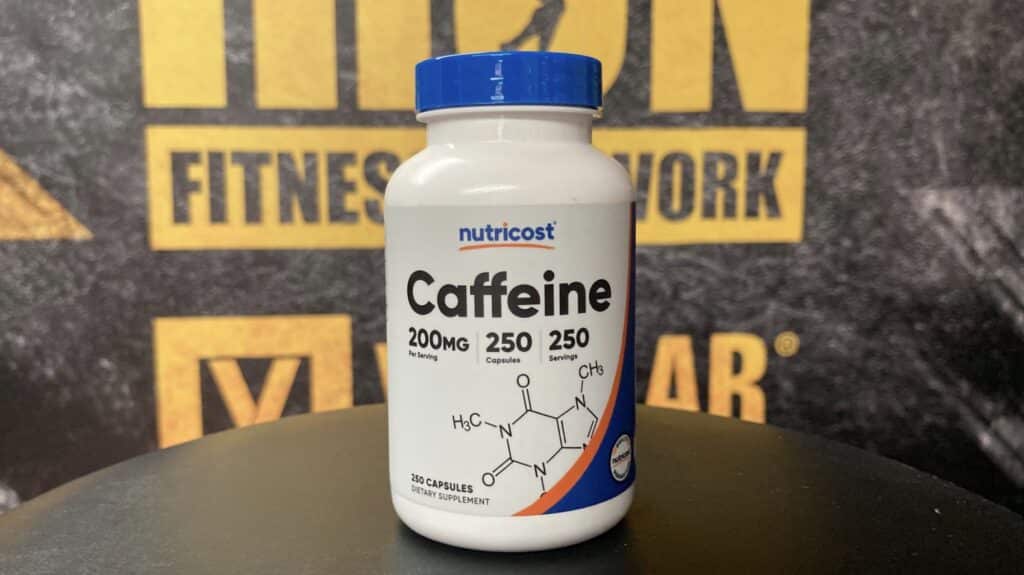
The Nutricost Caffeine Pills are also:
- Non-GMO
- Gluten-free
- Sugar-free
- Manufactured in a GMP-compliant, FDA-registered facility
For many athletes, this straightforward approach is appealing because it allows them to control stimulant intake without consuming unnecessary ingredients.
Why Controlled Caffeine Intake Matters
One of the biggest mistakes people make with stimulants is taking too much without realizing it.
A single pre-workout plus an energy drink and coffee can quickly push caffeine intake to excessive levels. This can negatively impact:
- Sleep
- Recovery
- Hydration
- Heart rate
- Workout performance
Using a consistent dose like 200mg per serving makes it easier to monitor intake and avoid overdoing stimulants.
Nutricost recommends:
- 1 capsule per serving
- Do not exceed 2 capsules within 24 hours
This helps keep caffeine intake more manageable compared to constantly chasing stronger stimulant products.
Which Is Best for Performance?
The answer depends on your goals and tolerance level.
DMAA
Best known for extreme stimulation and intense workout focus, but comes with significant controversy and potential risks.
DMHA
Often viewed as a smoother alternative to DMAA, though still highly stimulating and not ideal for everyone.
Caffeine
The most balanced and research-backed option for improving energy, focus, endurance, and workout performance.
For most lifters, caffeine remains the most sustainable choice because it offers reliable performance benefits with fewer concerns when used responsibly.
Final Thoughts
DMAA, DMHA, and caffeine all serve similar purposes in the fitness world, but they differ greatly in intensity, safety profile, and long-term practicality.
While hardcore stimulants may appeal to some users seeking extreme energy, many athletes eventually find that moderate, consistent stimulation works better for performance, recovery, and overall health.
For those who want a straightforward energy boost without sugar, unnecessary fillers, or overly aggressive stimulants, the Nutricost Caffeine Pills provide a clean and affordable option that fits easily into most training routines.
Let us know what you think in the comments below. Also, be sure to follow Generation Iron on Facebook, Twitter, and Instagram.
References
- Spriet LL. Exercise and Sport Performance with Low Doses of Caffeine. Sports Medicine.
- Grgic J, et al. Effects of Caffeine Intake on Exercise Performance. Journal of the International Society of Sports Nutrition.
- Food and Drug Administration (FDA). DMAA in Dietary Supplements.
- Cohen PA. Stimulant Adulteration of Dietary Supplements. JAMA Internal Medicine.