Which is the Better Muscle Building Tool?
When it comes to building muscle, few topics spark more debate than machines vs. free weights. Walk into any gym and you’ll see lifters split between barbells, dumbbells, and selectorized machines—each group convinced their approach is superior. But the real question remains: do machines build muscle like barbells and dumbbells do?
The short answer is yes—machines can build muscle. The long answer is more nuanced and depends on factors like training experience, exercise selection, stability demands, and progressive overload.
Our team at Generation Iron is going to break down how machines compare to free weights and when each tool makes the most sense for muscle growth.
How Muscle Growth Actually Happens
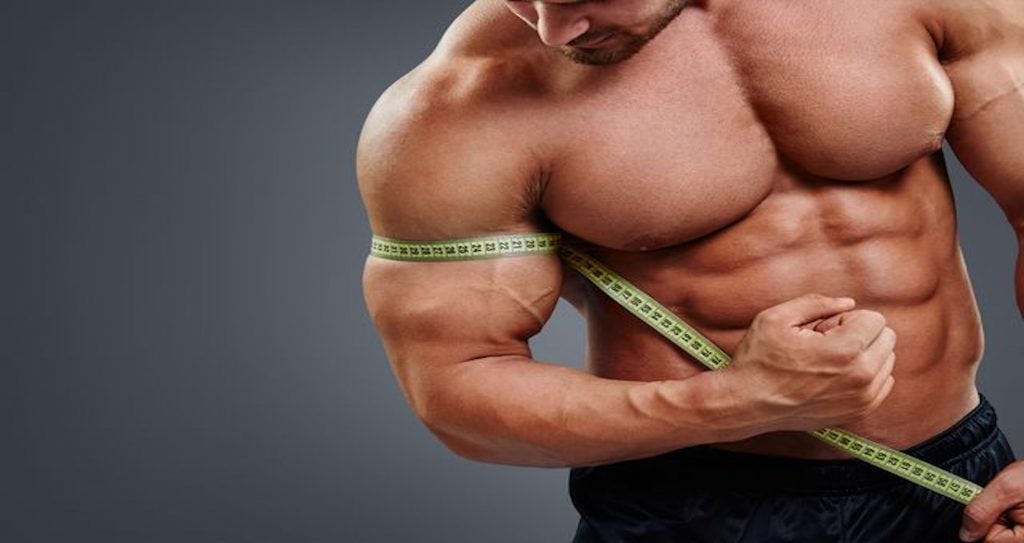
Before comparing machines and free weights, it’s important to understand what causes muscle growth (hypertrophy). Muscle is built through a combination of:
- Mechanical tension (load placed on the muscle)
- Progressive overload (gradually increasing weight or reps)
- Sufficient volume (sets and reps)
- Time under tension
- Proper recovery and nutrition, such as adequate protein intake and carbohydrate and fat balance
Notice what’s missing from that list: the type of equipment used. Muscles respond to tension and effort, not whether the resistance comes from a barbell, dumbbell, or machine.
Do Machines Build Muscle?
Yes, machines absolutely build muscle—and in some cases, they can be just as effective as barbells and dumbbells.
Machines apply resistance in a fixed path, allowing you to target specific muscles with minimal need for balance or coordination. As long as you train hard and progressively increase resistance, machines stimulate hypertrophy effectively.
Benefits of machines for muscle growth include:
- Consistent tension throughout the movement
- Easier isolation of specific muscles
- Reduced injury risk due to controlled movement
- Ability to train close to failure safely
- Excellent option for beginners or rehab
For hypertrophy-focused training, machines can be extremely effective, especially when volume and intensity are high.
How Barbells and Dumbbells Build Muscle Differently
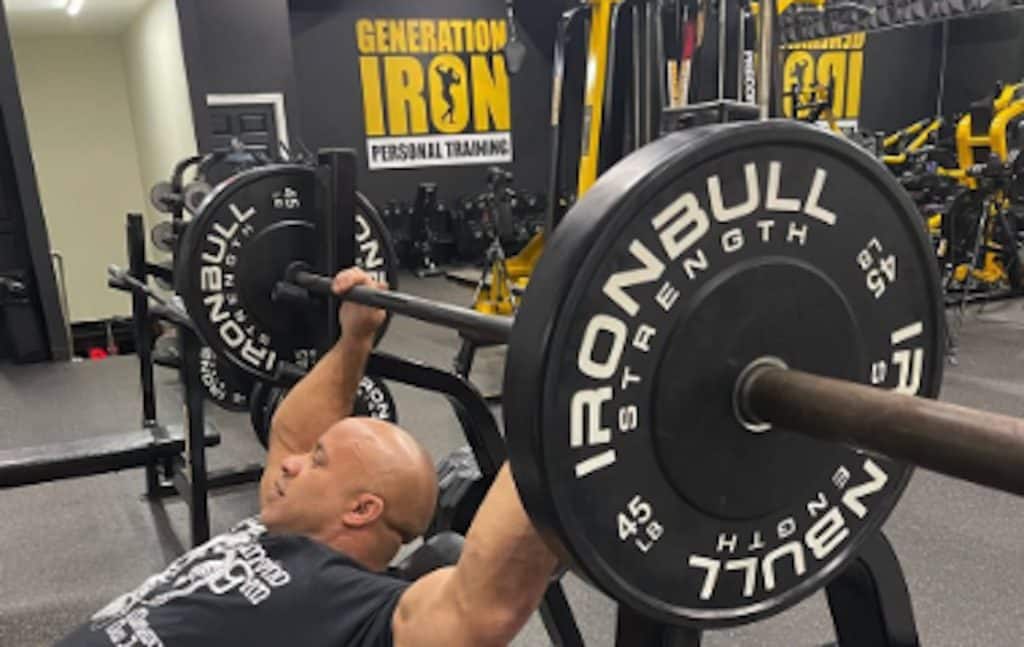
While machines build muscle, free weights offer unique advantages that machines can’t fully replicate.
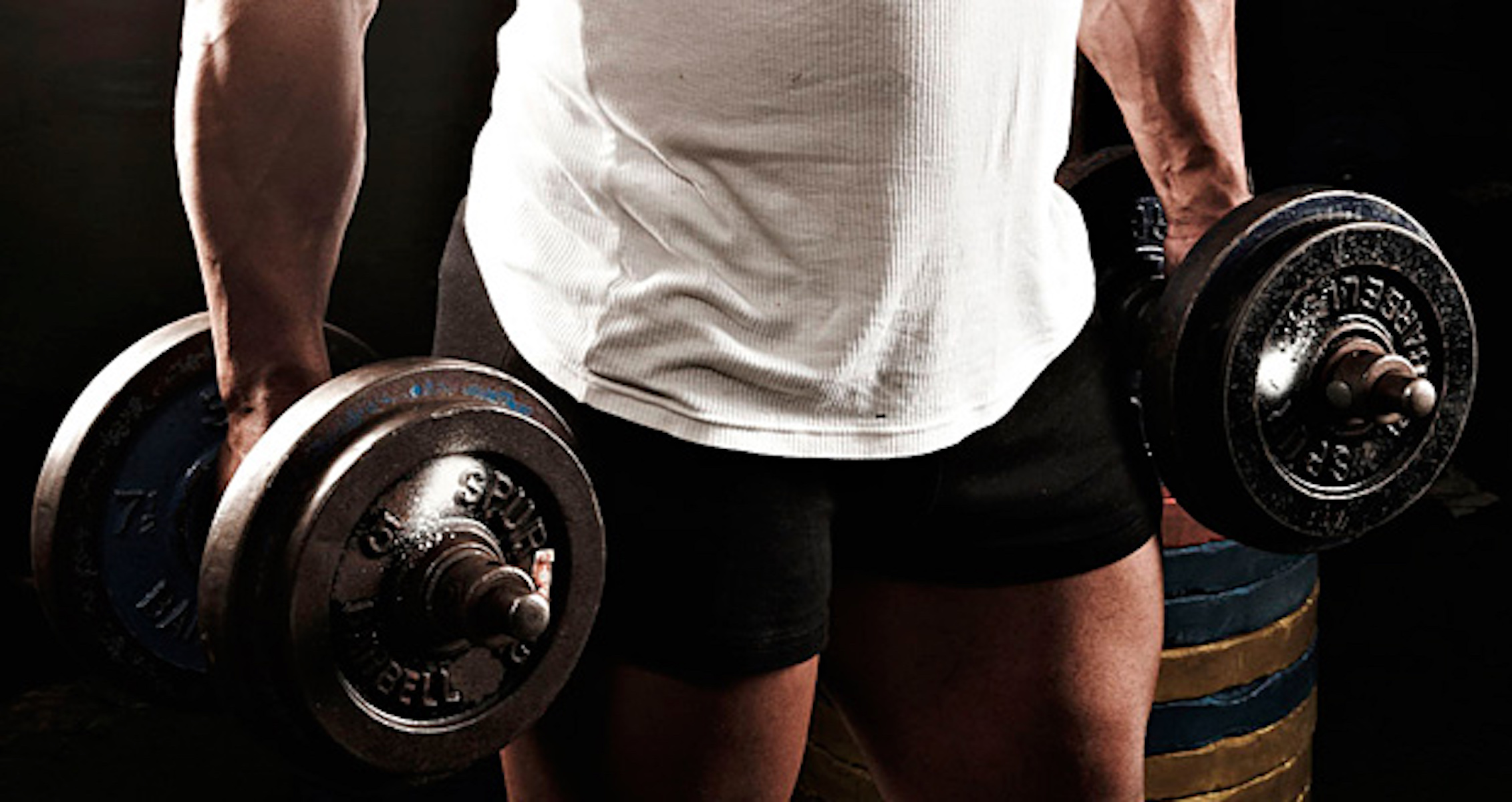
Barbells and dumbbells require you to stabilize the load in three-dimensional space. This recruits additional muscle fibers, including stabilizers, synergists, and core muscles.
Advantages of barbells and dumbbells include:
- Greater overall muscle activation
- Improved coordination and balance
- Stronger carryover to real-world movement
- Higher loading potential for compound lifts
- Development of stabilizer muscles
Exercises like squats, deadlifts, bench presses, and overhead presses load multiple muscle groups simultaneously, making them incredibly efficient for building size and strength.
Muscle Activation: Machines vs Free Weights
Research shows that when volume and intensity are matched, muscle hypertrophy is similar between machines and free weights. However, free weights often show higher activation in stabilizing muscles, while machines allow greater focus on the target muscle.
For example:
- A leg press can load the quads heavily without taxing the lower back.
- A barbell squat engages quads, glutes, hamstrings, core, and upper back.
- A machine chest press isolates the pecs efficiently.
- A barbell bench press recruits chest, shoulders, triceps, and stabilizers.
Neither is “better” universally—it depends on your training goal.
Are Machines Better for Hypertrophy?
In many hypertrophy-specific scenarios, machines can actually be superior.
Because machines reduce stability demands, lifters can:
- Use higher reps safely
- Push closer to muscular failure
- Maintain constant tension and better mind-muscle connection
- Accumulate more volume with less fatigue
This makes machines ideal for:
- Bodybuilders
- Lifters chasing muscle size over maximal strength
- Training past joint or lower-back limitations
- Finishing exercises after heavy compounds
Many elite physique athletes rely heavily on machines to maximize muscle growth while minimizing injury risk.
Are Free Weights Better for Strength and Size?
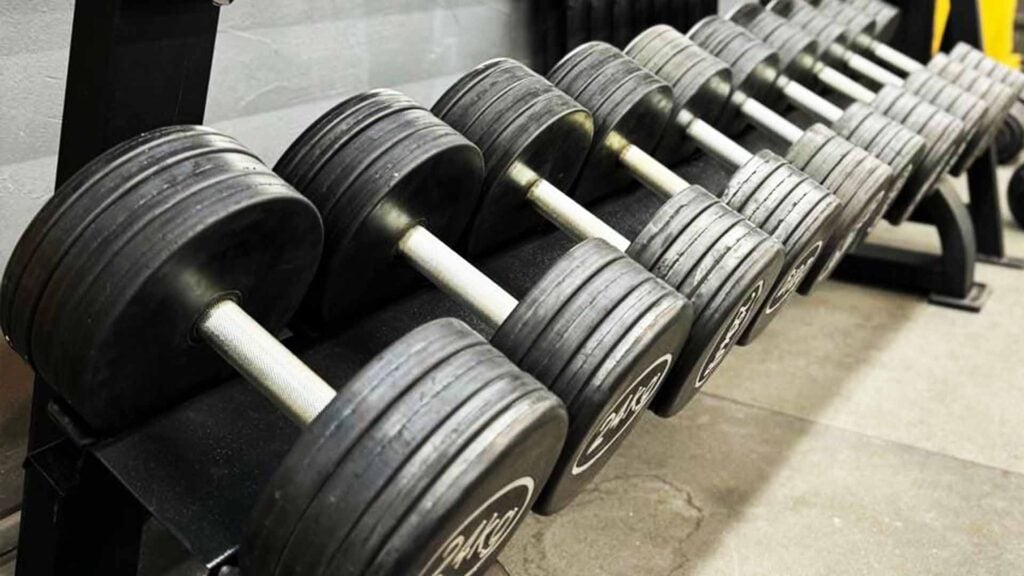
Free weights excel when the goal is maximum strength, especially in compound movements. Because they require coordination and stabilization, they train the nervous system more aggressively.
That said, strength gains and muscle growth are not mutually exclusive. Free weights build size efficiently, but they may limit hypertrophy if fatigue or joint stress cuts sets short.
This is why many effective programs start with free-weight compounds and finish with machines.
Beginners: Machines or Free Weights?
For beginners, machines are often the better starting point.
Machines:
- Teach proper muscle engagement
- Reduce injury risk
- Allow focus on effort rather than technique
- Build confidence in the gym
Once basic strength and coordination are developed, incorporating barbells and dumbbells becomes more effective and safer.
Advanced Lifters: Why You Need Both
Advanced lifters benefit most from combining machines and free weights.
A balanced approach might include:
- Barbell squats or deadlifts for overall mass
- Dumbbell presses for unilateral strength
- Machine flyes, leg curls, and extensions for isolation
- Cable movements for constant tension
This hybrid approach maximizes hypertrophy, strength, and longevity.
The Real Answer: It’s Not Machines vs Free Weights
The biggest mistake lifters make is treating this as an either-or debate.
Machines build muscle. Barbells and dumbbells build muscle.
The best results come from using both strategically.
What matters most is:
- Progressive overload
- Consistent training
- Adequate volume
- Proper recovery
- Long-term adherence
If you train hard, push close to failure, and progressively challenge your muscles, the equipment becomes secondary.
Final Verdict: Do Machines Build Muscle Like Barbells and Dumbbells?
Yes—machines can build muscle just as effectively as barbells and dumbbells when used correctly. However, free weights offer additional benefits in strength, stability, and functional movement that machines don’t fully replicate.
For optimal muscle growth:
- Use barbells and dumbbells for heavy compound lifts
- Use machines to increase volume, isolate muscles, and train safely to failure
The smartest lifters don’t pick sides—they use every tool available to build the most muscle possible.
For more news and updates, follow Generation Iron on Facebook, Twitter, and Instagram.