Incline Bench Press – Medium Grip (Chest) – Complete Exercise Guide
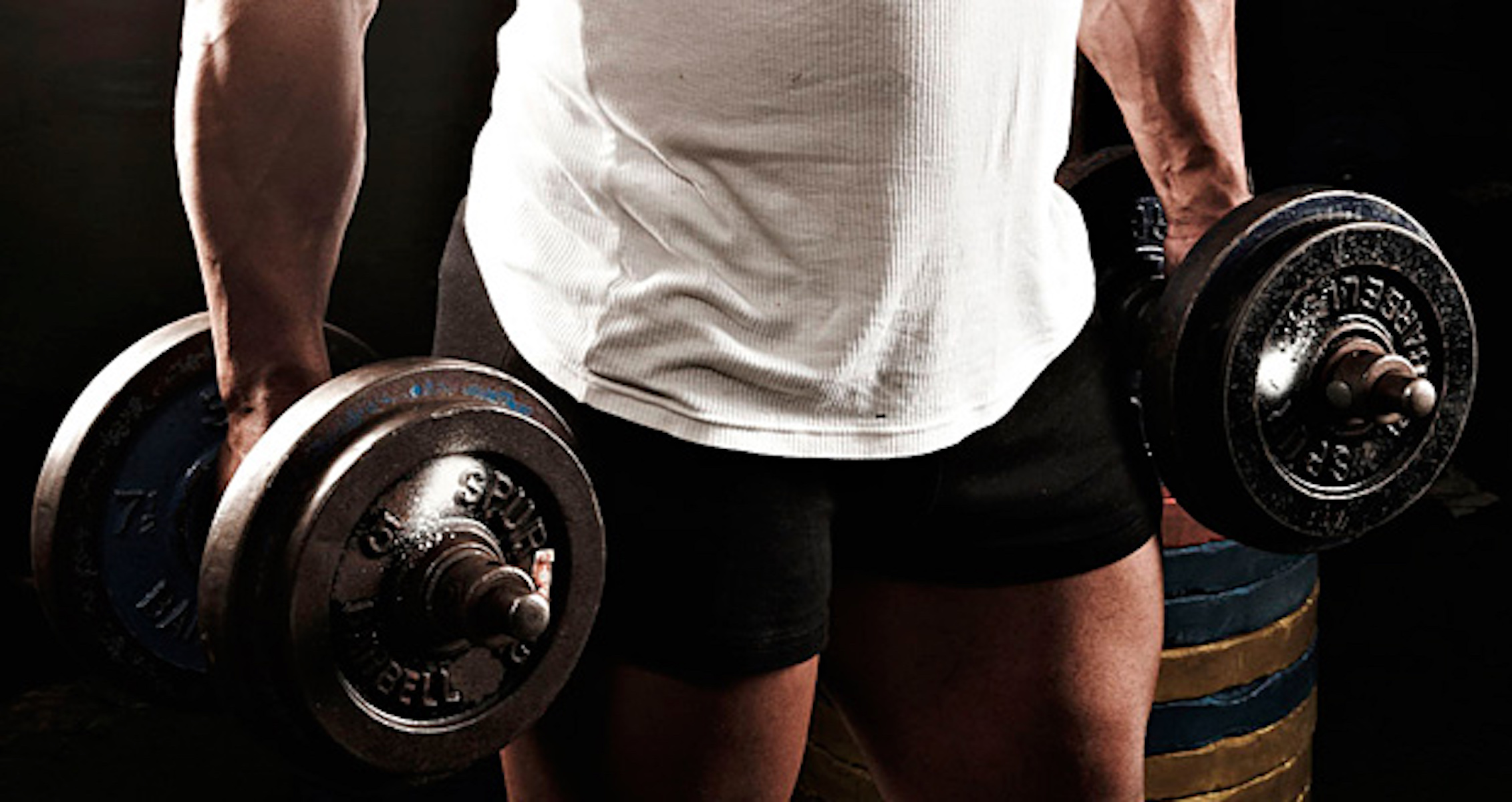
The incline bench press with a medium grip is a proven chest-building exercise that develops strength, size, and definition in the upper chest while also working the shoulders and triceps. As one of the most effective variations of the bench press, this lift helps athletes and lifters achieve a fuller, more balanced chest and improved pressing power.
Our team at Generation Iron is going to break down just exactly how to perform the incline bench press.
What is the Incline Bench Press – Medium Grip?
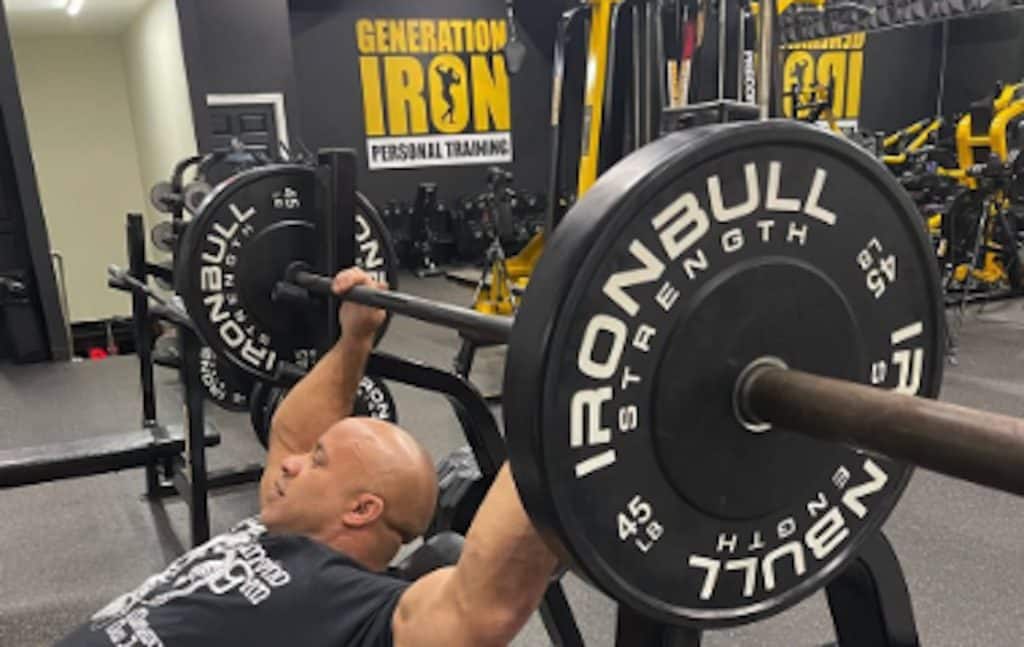
The incline bench press is a barbell pressing movement performed on an adjustable bench set at an incline, typically between 30–45 degrees. Unlike the flat bench press, which emphasizes the middle portion of the pectorals, the incline angle shifts the focus to the clavicular head of the pectoralis major (upper chest).
Using a medium grip (shoulder-width) ensures an optimal balance between chest activation, joint safety, and pressing power. This makes it one of the most popular choices for athletes, bodybuilders, and anyone wanting to improve chest development.
Muscles Worked
The incline bench press with a medium grip targets multiple muscle groups:
- Primary Muscle
- Upper Pectoralis Major (upper chest fibers)
- Secondary Muscles
- Anterior Deltoids (front shoulders)
- Triceps Brachii (back of the arms)
- Stabilizers
- Upper Back Muscles (rhomboids, traps)
- Core (to maintain tightness and posture)
This combination makes it a compound exercise, allowing you to build strength and mass across the upper body.
Benefits of the Incline Bench Press – Medium Grip
- Upper Chest Development – Builds thickness and shape in the upper pecs, creating a balanced, aesthetic chest.
- Improved Pressing Strength – Transfers strength to flat bench presses and overhead pressing movements.
- Shoulder Engagement – Strengthens the anterior deltoids, improving athletic pushing movements.
- Functional Strength – Helps with real-world pressing actions by training multiple muscles together.
- Postural Balance – Strengthening the upper chest can improve shoulder positioning and reduce slouching.
Equipment Needed
- Adjustable incline bench (set between 30–45 degrees)
- Barbell and appropriate weight plates
- Safety spotter (recommended, especially with heavy lifting)
How to Perform the Incline Bench Press – Medium Grip
Follow these step-by-step instructions for proper form:
- Set Up the Bench
Adjust your bench to an incline between 30–45 degrees. A steeper angle shifts more load to the shoulders. - Lie on the Bench
Position your back firmly against the bench with feet flat on the floor. Maintain a natural arch in your lower back. - Grip the Barbell
Use a medium grip—hands placed just wider than shoulder-width. At the bottom of the movement, your forearms should be vertical. - Unrack the Bar
Retract your shoulder blades, tighten your core, and unrack the barbell, holding it above your chest with arms fully extended. - Lower the Bar
Inhale deeply and slowly lower the bar to the upper chest, just below the clavicle, by bending your elbows. - Press Upward
Exhale and drive the bar upward by extending your elbows, keeping wrists straight and elbows slightly tucked. - Contract the Chest
At the top of the movement, squeeze your chest before lowering again. - Repeat
Perform the recommended number of repetitions with controlled motion.
Safety Tips and Cautions
- Always use a spotter when lifting heavy.
- Keep your shoulder blades retracted to protect your shoulders.
- Avoid bouncing the bar off your chest—control the movement.
- Ensure the bar path stays directly above the upper chest and does not drift forward or backward.
- Do not lock out elbows forcefully—maintain tension throughout.
Common Mistakes to Avoid
- Excessive Incline Angle – A bench angle over 45 degrees shifts emphasis away from the chest to the shoulders.
- Elbows Flared Too Wide – Increases risk of shoulder strain; keep elbows at a 45–60 degree angle.
- Partial Reps – Short range of motion reduces muscle engagement.
- Excessive Arching of the Back – Keep a natural arch, but don’t let hips lift off the bench.
- Wrong Bar Path – Lowering too high (toward the neck) or too low (toward the mid-chest) increases injury risk.
Variations and Alternatives

To add variety and avoid plateaus, try these effective alternatives:
- Flat Bench Press (Medium Grip) – Builds overall chest mass with balanced activation.
- Incline Bench Press (Wide Grip) – Increases chest stretch and targets the pecs more directly.
- Incline Dumbbell Press – Allows greater range of motion and isolates each side independently.
- Incline Smith Machine Press – Provides stability and control for beginners or heavy lifters.
Programming the Incline Bench Press
- Reps & Sets for Strength: 4–6 reps, 3–5 sets at heavier weight
- Reps & Sets for Hypertrophy (Muscle Growth): 8–12 reps, 3–4 sets
- Reps & Sets for Endurance: 12–15+ reps, lighter weight, 3–4 sets
Include the incline bench press once or twice per week as part of a chest or upper body day for best results.
Final Thoughts
The Incline Bench Press – Medium Grip is one of the most effective exercises for building a powerful upper chest, improving pressing strength, and enhancing physique aesthetics. By mastering proper form, avoiding common mistakes, and incorporating variations, you can make it a cornerstone of your chest training routine.
Recommendation: Incorporate the incline bench press into your workout at least once weekly, paired with flat and dumbbell presses for complete chest development.
Next Step: Track your progress, gradually increase weight, and combine with accessory lifts to maximize strength and muscle gains.
Let us know what you think in the comments below and be sure to follow us on Facebook and Twitter.