Understanding Muscle Burn vs. Cramps and How to Stay Cramp-Free with Nutricost Pickle Juice Shot
When you’re pushing through a tough workout, there’s a moment when your muscles start to burn—and many take that as a sign of success. But is that burning feeling actually a good thing? Does it mean you’re making progress and gaining muscle mass, or are you overdoing it? And how do you tell the difference between muscle burn and something more serious, like cramps?
Our team at Generation Iron is going to break it all down: what “the burn” really means, how it differs from cramps, and how you can support your body with tools like Nutricost Pickle Juice Shot to avoid cramping and stay performing at your best.
What Does “Feeling the Burn” Mean?

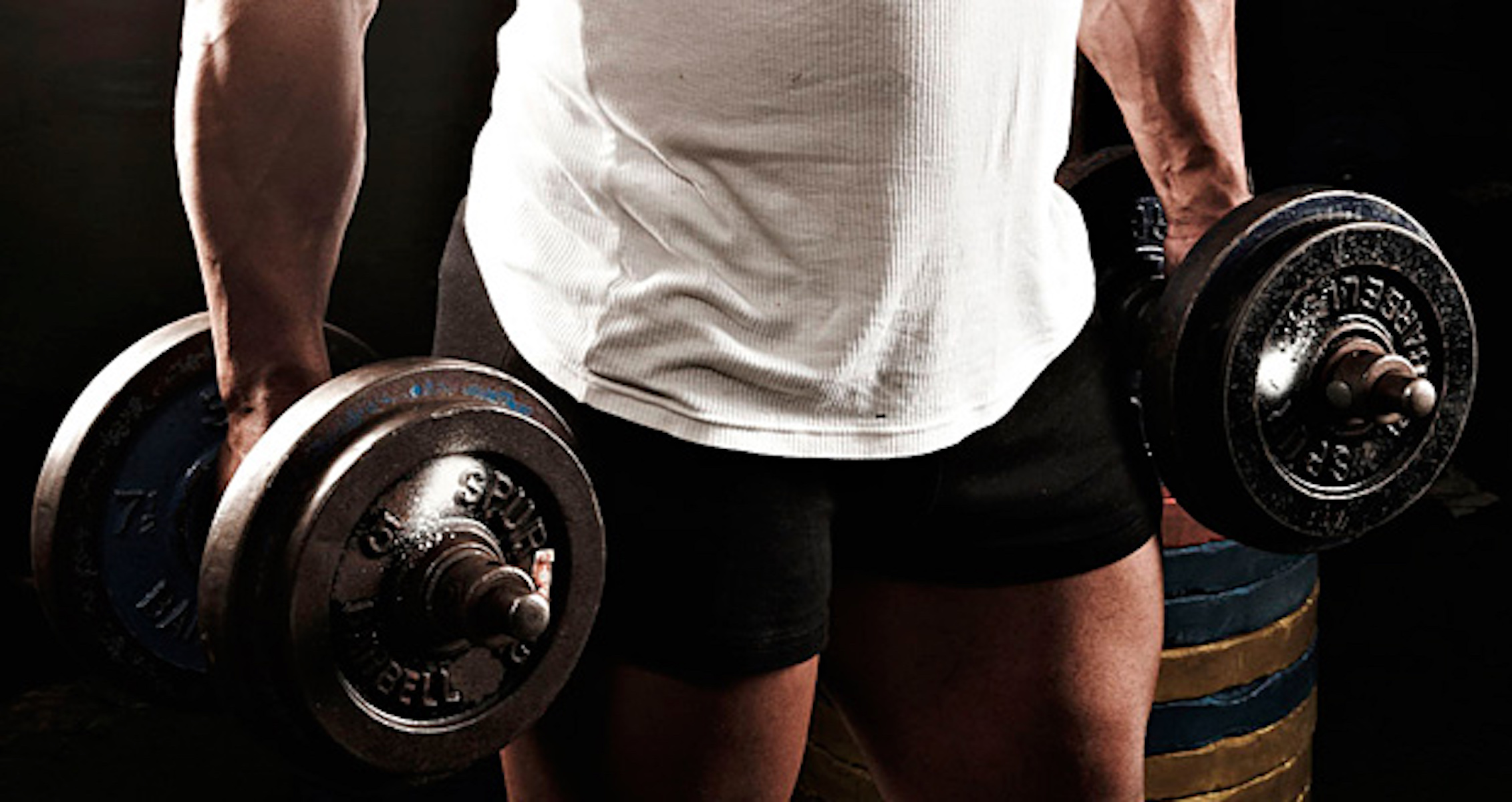
“Feeling the burn” is a common experience during high-intensity or high-rep workouts. This sensation comes from the build-up of lactic acid and hydrogen ions in your muscles as they work hard—especially in anaerobic conditions, where there’s limited oxygen available.
As your body breaks down glucose for energy without enough oxygen, lactic acid accumulates and contributes to that burning sensation in your muscles. It’s a natural part of exercise and is often used as a signal that your muscles are being challenged.
Is Feeling the Burn a Good Thing?
Yes—but within reason. Here’s why:
Muscle Activation
Feeling the burn can indicate that your target muscles are working hard. This is especially useful for hypertrophy (muscle growth), where time under tension and muscle fatigue are key factors.
Endurance and Metabolic Stress
Workouts that cause a burning sensation often lead to increased muscle endurance. That “burn” is also part of what’s known as metabolic stress, a proven driver of muscle growth.
Mental and Physical Conditioning
Learning to push through the burn builds mental toughness and improves your body’s ability to handle discomfort—a crucial part of athletic development.
However, the burn shouldn’t be your only goal. You can make significant strength and size gains without chasing it every session.
Muscle Burn vs. Muscle Cramps: Know the Difference
It’s essential to distinguish between muscle burn and muscle cramps, as the two are entirely different phenomena:
Muscle Burn
- Comes on gradually during sustained, repetitive movements
- Feels like a hot, fatiguing sensation in the muscles
- Is generally safe and often desirable in training
- Goes away shortly after you stop the exercise
Muscle Cramps
- Often comes on suddenly and sharply
- Feels like a painful, involuntary muscle contraction
- Can halt your workout entirely
- May indicate dehydration, electrolyte imbalance, or overexertion
Muscle cramps are not a sign of progress—they’re a sign your body needs support, particularly with hydration and electrolyte balance.
Preventing Muscle Cramps with Nutricost Pickle Juice Shot

Need those electrolytes for staying hydrated and free of cramps? Check out Nutricost Pickle Shot.
To avoid cramping during workouts—especially in hot weather or long training sessions—electrolyte support is key. One effective tool for this is the Nutricost Pickle Juice Shot.
Why Nutricost Pickle Juice Shot Works:
- High in sodium – Sodium is the primary electrolyte lost through sweat and is crucial for muscle function and fluid balance.
- Fast absorption – Because it’s in liquid form, it can be absorbed quickly when cramps hit or to prevent them altogether.

While it doesn’t contain a complete electrolyte profile (it lacks the potassium and magnesium found in sports drinks), it’s still an excellent quick fix for sodium depletion and a convenient way to ward off cramps during intense or extended workouts.
Pro Tip: Pair the Nutricost Pickle Juice Shot with a diet rich in potassium and magnesium (bananas, leafy greens, nuts) or a balanced electrolyte supplement if you’re doing long-duration or endurance training.
Should You Chase the Burn Every Workout?
No—you don’t need to feel the burn every time to build muscle or get stronger. It’s a helpful tool, especially in high-rep or isolation exercises, but it’s not a requirement. Focus on:
- Progressive overload (increasing weight or reps)
- Proper form
- Adequate rest and recovery
- Smart nutrition and hydration
Use the burn as a signal—not a target.
Final Thoughts
Feeling the burn can be a positive part of your workout, indicating muscle fatigue and effective engagement. But don’t confuse it with cramps, which are painful, unproductive, and often linked to dehydration or low sodium levels.
By knowing the difference—and using tools like Nutricost Pickle Juice Shot—you can maximize performance, reduce the risk of cramping, and train smarter.
Let us know what you think in the comments below. Also, be sure to follow Generation Iron on Facebook, Twitter, and Instagram.