The New PED Debate: Why MK-677, Ostarine, and Turkesterone Are Dividing the Fitness World
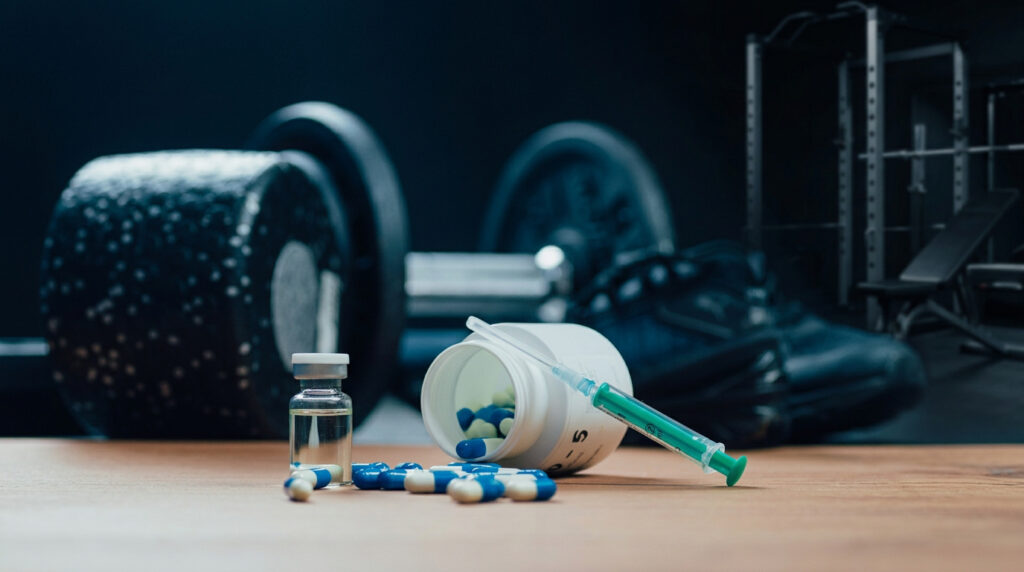
The performance-enhancing drug conversation has changed dramatically over the past decade. For years, discussions about physique enhancement centered almost entirely around anabolic steroids such as testosterone, trenbolone, nandrolone, and Dianabol. Today, however, a new generation of compounds is gaining traction among gym-goers. Compounds like MK-677, Ostarine, and Turkesterone have exploded in popularity and are dividing the fitness world.
Supporters claim these substances can increase muscle mass, improve recovery, boost appetite, and enhance performance while avoiding some of the health risks tied to anabolic steroids.
Critics argue that the hype has far outpaced the science.

A recent CNN investigation highlighted growing concerns among medical experts that many users are experimenting with compounds that remain poorly understood, particularly regarding their long-term health consequences.
What Are MK-677, Ostarine, and Turkesterone?
While often grouped together in online fitness discussions, these compounds are very different from one another.
MK-677 (Ibutamoren)
MK-677 is a growth hormone secretagogue, meaning it stimulates the body’s production of growth hormone and IGF-1.
Supporters claim it may:
- Increase appetite
- Improve sleep quality
- Enhance recovery
- Promote lean muscle growth
However, researchers have raised concerns about potential side effects including:
- Water retention
- Elevated blood pressure
- Increased blood sugar
- Possible increased risk factors related to heart disease and diabetes
Unlike anabolic steroids, MK-677 does not directly increase testosterone levels.
Ostarine (Enobosarm)
Ostarine belongs to a class of compounds known as Selective Androgen Receptor Modulators, or SARMs.
SARMs were originally developed in an attempt to create compounds that could provide muscle-building benefits similar to anabolic steroids while reducing unwanted side effects.
Potential claimed benefits include:
- Increased lean muscle mass
- Improved strength
- Better recovery
- Reduced muscle loss during dieting
While some clinical research has shown Ostarine can increase lean body mass, questions remain regarding hormone suppression and possible liver-related concerns. Generation Iron podcast host Victor Martinez once shared his scary experience while using SARMs, saying he almost went blind.
Turkesterone
Turkesterone is an ecdysteroid, a naturally occurring plant compound that gained enormous popularity after being promoted by several fitness influencers.
Claims surrounding Turkesterone include:
- Increased muscle growth
- Enhanced recovery
- Improved athletic performance
- Steroid-like results without hormonal side effects
The problem is that much of the excitement has not been consistently supported by human research. Several studies have failed to demonstrate significant muscle-building advantages compared to placebo, making Turkesterone one of the most debated supplements in the fitness industry.
Why Are Athletes Interested?
Part of the appeal is obvious.
Many athletes are searching for something that sits between natural supplementation and full-blown steroid use.
The promise is attractive:
- More muscle
- Better recovery
- Fewer side effects
- Less stigma than anabolic steroids
Social media has accelerated that interest. Influencers frequently promote these compounds as smarter or safer alternatives to traditional PEDs, creating massive demand among younger lifters looking for an edge.
The challenge is that many of these substances entered the fitness marketplace far faster than scientific research could evaluate them.
The WADA Problem
One important fact often gets overlooked in discussions about these compounds:
All three are prohibited in competitive sports.
The World Anti-Doping Agency (WADA) bans Ostarine, MK-677, and related performance-enhancing compounds.
Ostarine in particular has become one of the most commonly detected substances in anti-doping violations. Investigations have shown numerous Olympic athletes have tested positive for the compound over the past two decades.
For competitive athletes, that means even accidental exposure can create serious consequences.
Are We Seeing the Next Evolution of PEDs?
The debate ultimately comes down to risk versus reward.
Supporters argue these compounds represent a new generation of performance enhancement that may eventually prove safer than traditional anabolic steroids.
Critics point out that many users are effectively participating in a large-scale experiment. Long-term data remains limited, medical professionals often struggle to keep pace with emerging compounds, and social media frequently promotes benefits while downplaying risks.
What makes the situation unique is that these substances occupy a space somewhere between pharmaceuticals, supplements, and underground performance enhancers.
That gray area has created a booming market, but also a growing number of unanswered questions.
As more athletes seek alternatives to traditional steroid cycles, compounds like MK-677, Ostarine, and Turkesterone are likely to remain at the center of the performance-enhancement debate. Whether they ultimately prove to be revolutionary tools or cautionary tales remains one of the biggest unanswered questions in modern fitness.