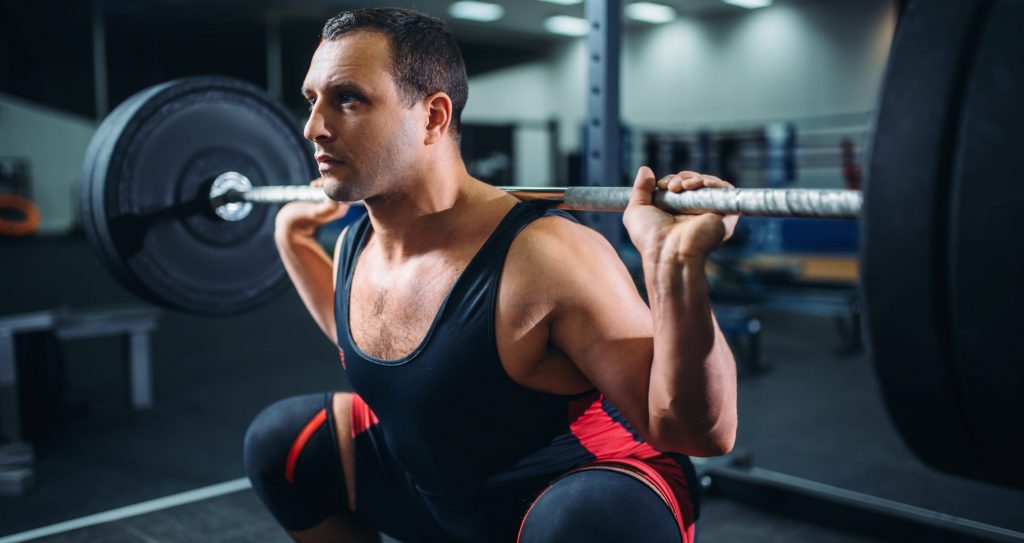
Build Strength and Improve Your Technique
For many bodybuilders, training is primarily about building muscle mass, improving proportions, and developing an impressive physique. While hypertrophy is an important part of resistance training, strength should not be overlooked. Improving your strength can help you train harder, handle heavier weights, and continue making progress in the gym.
This is especially true when it comes to the barbell squat.
The squat is one of the most effective compound exercises for developing lower-body strength and muscle mass. It primarily targets the quadriceps and glutes while also challenging the hamstrings, core, and other stabilizing muscles. Learning how to increase your squat can benefit bodybuilders, powerlifters, strength athletes, and anyone looking to become stronger.
If your squat has stalled, adding more weight to the barbell isn’t always the answer. Improving technique, managing training volume, strengthening weak points, and incorporating strategic squat variations can all help you break through a plateau.
Our team at Generation Iron is going to break it down.
Why Is the Squat So Important?

The barbell squat is often considered one of the foundational movements in strength training for good reason. It allows you to progressively overload a large number of muscles while developing lower-body strength and coordination.
For bodybuilders, squats can also be an effective tool for developing the quads and glutes. For powerlifters and strength athletes, the squat is one of the primary lifts used to measure and develop maximal strength.
Regardless of your training goals, getting stronger at the squat can make you a more capable lifter.
However, simply squatting once a week and expecting your strength to continually increase may eventually lead to a plateau. If you want to improve your squat, you need a structured approach that addresses both strength and technique.
Improve Your Squat Technique
Before adding more weight, make sure your squat technique is consistent.
A strong squat begins with a stable setup. Take a stance that allows you to comfortably reach an appropriate depth while maintaining control of your body position. Brace your core before beginning the descent and maintain that tension throughout the repetition.
As you squat down, control the movement rather than simply dropping into the bottom position. Your knees should track appropriately with your feet, and you should maintain a strong, stable torso.
From the bottom, drive through the floor and stand up aggressively while maintaining your brace.
Small technical improvements can make a significant difference in your squat performance. If your technique breaks down as the weight increases, adding more plates to the bar may only reinforce inefficient movement patterns.
Increase Squat Frequency

One of the simplest ways to improve your squat is to practice it more frequently.
If you’re currently squatting once per week, adding a second squat-focused session can give you more opportunities to develop technique and build strength. However, that doesn’t mean you should perform maximal-effort squats every time you train.
Instead, consider giving each session a different purpose.
For example, one day could focus on heavier squats with lower repetitions, while another could use lighter loads and higher repetitions. This allows you to increase your exposure to the movement without constantly placing your body under maximal stress.
Your overall training volume and recovery should determine how much additional squat work you can handle.
Try Rhythm Squats
One useful variation for lifters looking to improve their squat is the rhythm squat.
Rhythm squats emphasize controlled, consistent movement through the entire repetition. Rather than rushing through the eccentric portion or bouncing aggressively out of the bottom, the goal is to establish a repeatable rhythm and maintain control.
This can help you become more comfortable with the movement and improve your ability to maintain proper positioning throughout the squat.
Rhythm-based training can also provide a way to add additional squat practice without constantly testing your one-rep max.
Use Squat Variations to Build Weak Points
Sometimes your regular back squat isn’t the problem. A weakness somewhere in the movement may be preventing you from progressing.
That’s where squat variations can help.
Pause Squats
Pause squats require you to briefly stop at the bottom of the movement before standing back up. This removes some of the momentum from the lift and forces you to develop strength out of the bottom position.
Front Squats
Front squats shift the bar toward the front of the body and require a more upright torso. They place significant demands on the quadriceps and core while helping develop strength that can carry over to the traditional squat.
Tempo Squats
Tempo squats slow down a specific portion of the movement, such as the descent. This increases time under tension and forces you to maintain control throughout the repetition.
Box Squats
Box squats can be used to reinforce controlled movement and develop strength through specific portions of the squat. They can also provide variation for experienced lifters looking to address specific weaknesses.
The key is not to use every variation at once. Choose variations that address a specific limitation in your squat and incorporate them strategically.
Strengthen Your Core

A strong squat requires more than strong legs.
Your core plays an important role in keeping your torso stable while you’re supporting a heavy barbell. If your core cannot maintain adequate tension, your squat can become inefficient and your ability to handle heavier weights may suffer.
Exercises such as planks, ab-wheel rollouts, loaded carries, and other bracing-focused movements can complement your squat training.
Remember that core training isn’t simply about developing visible abdominal muscles. For strength athletes, the ability to brace and resist unwanted movement is particularly important.
Build Your Quads and Glutes
If you want to increase your squat, you also need to build the muscles responsible for producing force during the movement.
The quadriceps and glutes are particularly important contributors to squat performance. Exercises such as leg presses, lunges, Bulgarian split squats, hip thrusts, and other lower-body movements can complement your squat training.
Bodybuilders may already have plenty of these exercises in their programs, but increasing your squat strength can give you another reason to prioritize progressive overload across your lower-body workouts.
Don’t Squat Heavy Every Time
One of the biggest mistakes lifters make when trying to increase their squat is attempting to lift maximal weights too frequently.
Strength gains don’t come from constantly testing your limits. They come from consistently training, recovering, and gradually increasing your ability to handle heavier loads.
Use a combination of heavy, moderate, and lighter training depending on your program.
Heavy sets can develop maximal strength, moderate loads can build strength and muscle, and lighter sessions can provide additional technique practice while reducing fatigue.
A structured approach is typically more sustainable than trying to set a new personal record every week.
Prioritize Recovery
Your workouts provide the stimulus for adaptation, but recovery is where your body gets the opportunity to actually adapt.
If you’re increasing squat frequency or training volume, make sure you’re also paying attention to sleep, nutrition, rest days, and overall fatigue.
Protein and adequate calories can support muscle growth and recovery, while sufficient sleep can help you perform better during your workouts.
If your squat performance continues declining despite training harder, that may be a sign that you need to reduce fatigue rather than add even more work.
How to Increase Your Squat and Keep Making Progress
If your goal is to increase your squat, focus on more than simply putting additional weight on the bar.
Improve your technique. Practice the movement consistently. Add strategic squat variations. Build your quads, glutes, and core. Use different training intensities. Most importantly, give your body enough time to recover.
For bodybuilders, incorporating strength-focused training can also provide a valuable change of pace from traditional hypertrophy work. This is one reason powerbuilding—the combination of strength and bodybuilding-focused training—has become so popular.
You don’t have to choose between looking strong and being strong.
A stronger squat can contribute to bigger, more developed legs while also giving you a measurable performance goal to chase in the gym. With consistent training, proper technique, progressive overload, and sufficient recovery, you can turn a stagnant squat into one of your biggest strengths.
Let us know what you think in the comments below. Also, be sure to follow Generation Iron on Facebook, Twitter, and Instagram.