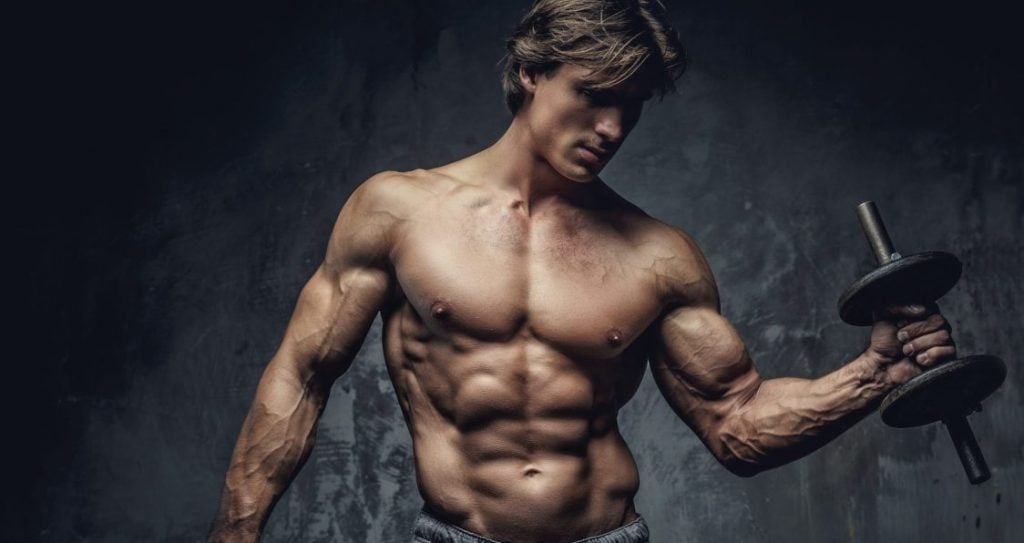
Different Body Types, Different Training Styles
When it comes to building your ideal physique, not all training styles are created equal. Some lifters chase maximum size and raw muscle mass, they want to be on the Mr. Olympia stage, while others focus on symmetry, proportion, and visual appeal, maybe they want to just look good on the beach. Understanding the difference between training for aesthetics and training for mass can help you align your workouts with your specific goals—and avoid spinning your wheels in the gym.
This distinction is crucial. Whether you want to step on a bodybuilding stage or simply build a balanced, eye-catching physique, your training strategy needs to match your objective. Our team at Generation Iron is going to break it down.
What Is Training for Mass?
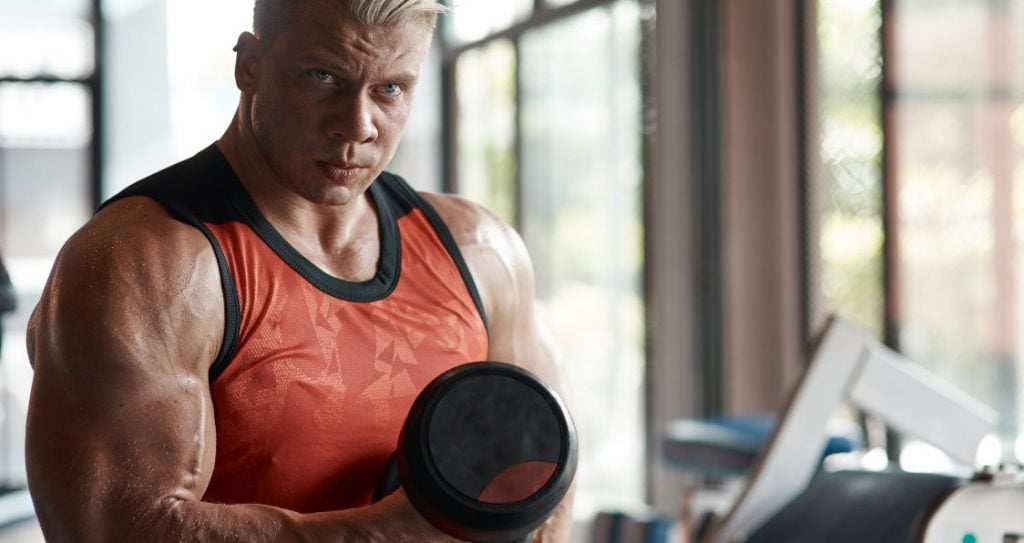
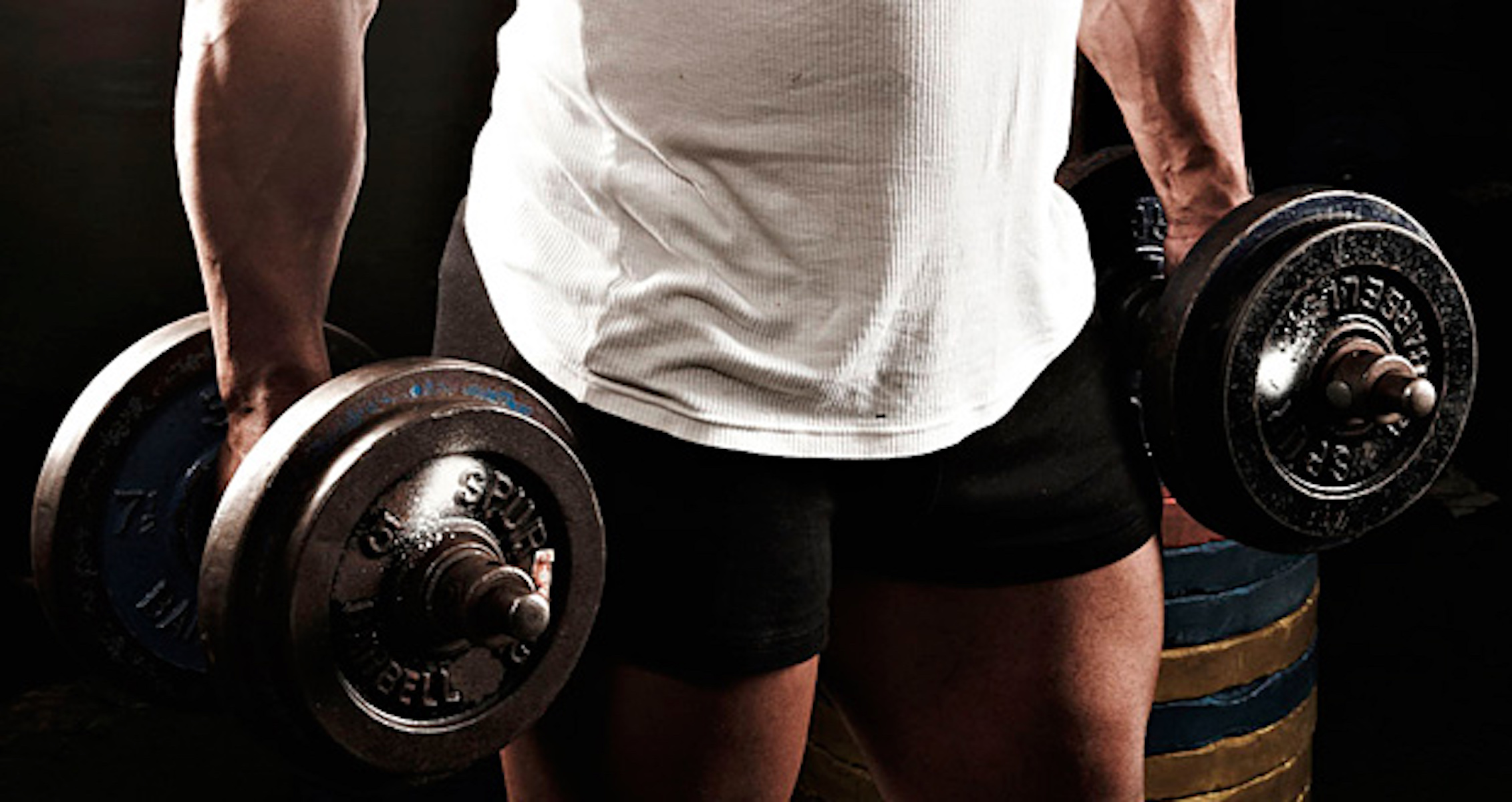
Training for mass—often associated with traditional bodybuilding—focuses on maximizing overall muscle size. The goal is simple: get as big and strong as possible.
Key Characteristics of Mass Training
- Heavy compound lifts (squats, deadlifts, bench press)
- Progressive overload as the primary driver
- Moderate rep ranges (6–12 reps)
- High calorie intake to support growth
- Less emphasis on symmetry, more on total size
Mass-focused lifters prioritize adding muscle across the entire body, even if certain muscle groups outgrow others. Strength progression is a major indicator of success.
What Is Training for Aesthetics?
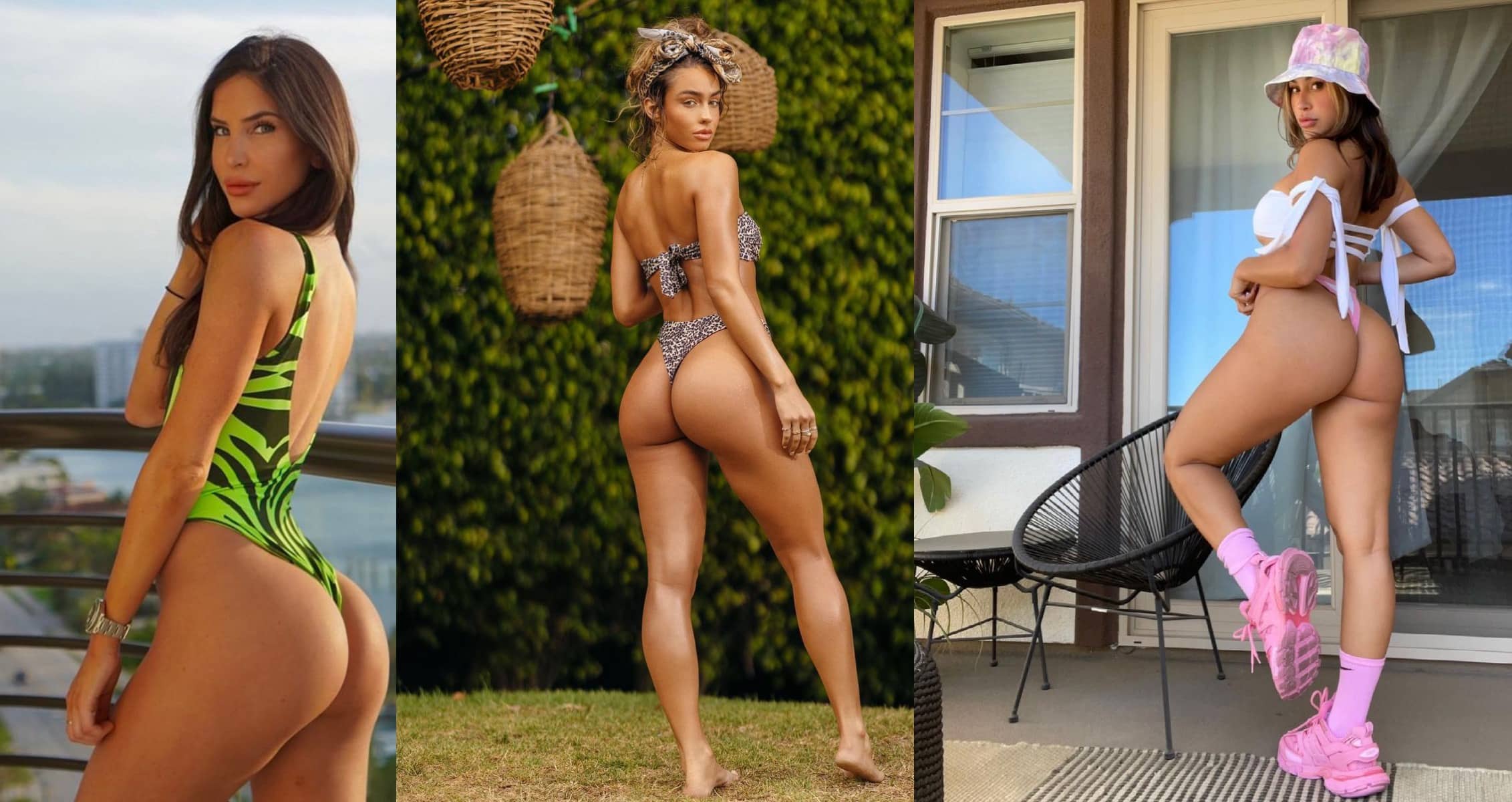
Aesthetic training is about how your physique looks, not just how big it is. The focus is on creating a balanced, proportional, and visually appealing body, with defined muscles and very low body fat.
Key Characteristics of Aesthetic Training
- Emphasis on muscle symmetry and proportion
- Targeted isolation exercises
- Higher rep ranges (8–15+ reps)
- Strategic focus on lagging body parts
- Attention to small details (shoulder caps, upper chest, V-taper)
Aesthetic lifters aim to create the illusion of a larger, more defined physique through shape and balance, not just size.
The Biggest Differences Between Aesthetics and Mass Training

1. Goal: Size vs Shape
- Mass Training: Build as much muscle as possible
- Aesthetic Training: Sculpt a balanced, visually appealing physique
Mass training may lead to impressive size, but aesthetic training creates the classic “X-frame” look with wide shoulders, a narrow waist, and balanced proportions.
2. Exercise Selection
- Mass: Focus on compound lifts like squats, deadlifts, and presses
- Aesthetics: Mix of compounds and isolation work
Aesthetic training includes more exercises like lateral raises, cable flyes, and rear delt work to refine specific muscle groups.
3. Training Volume and Intensity
- Mass: Heavy weight, moderate volume
- Aesthetics: Higher volume with controlled intensity
Aesthetic training often includes techniques like supersets, drop sets, and time under tension to maximize muscle detail and definition. Both styles of training need a good mind-muscle connection.
4. Mind-Muscle Connection
- Mass: Move the weight efficiently
- Aesthetics: Feel the muscle working
Aesthetic-focused lifters prioritize contraction and control, ensuring the target muscle is doing the work—not just moving weight from point A to B.
5. Nutrition Approach
- Mass: Caloric surplus (bulking)
- Aesthetics: Lean bulk or maintenance with strategic cutting phases
Mass training often involves aggressive bulking, while aesthetic training focuses on staying relatively lean to maintain visual appeal year-round.
6. Conditioning and Body Fat Levels
- Mass: Higher body fat is acceptable during growth phases
- Aesthetics: Lower body fat to maintain definition
Aesthetic physiques rely heavily on conditioning to highlight muscle shape and separation.
Can You Train for Both?
The short answer: yes—but not perfectly at the same time.
Most experienced lifters cycle between phases:
- Mass Phase: Focus on building size and strength
- Aesthetic Phase: Refine shape, improve symmetry, and cut body fat
This approach allows you to build muscle first, then sculpt it into a more balanced and defined physique.
Which Training Style Is Right for You?
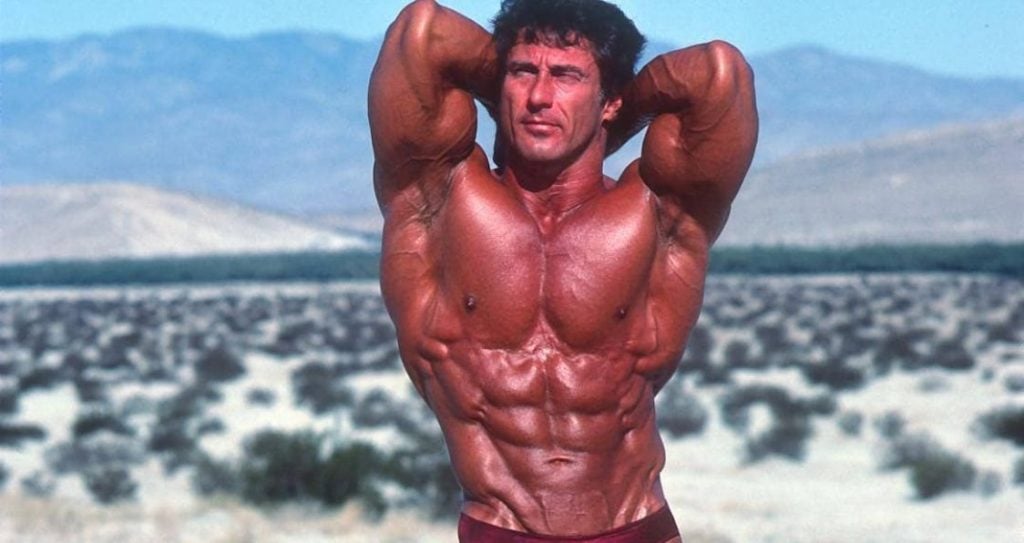
Choose your focus based on your goals:
Train for Mass If You Want To:
- Build as much muscle as possible
- Increase overall strength
- Fill out your frame quickly
Train for Aesthetics If You Want To:
- Look lean, balanced, and proportional
- Improve weak points and symmetry
- Achieve a stage-ready or “beach body” look
The Ideal Approach: Hybrid Training
For most lifters, the best strategy isn’t just one or the other, it is a hybrid approach:
- Use heavy compound lifts to build a foundation
- Add isolation work to refine your physique
- Adjust nutrition based on your current goal
- Prioritize weak points to improve overall balance
This combination allows you to build size while still developing an aesthetic, well-rounded physique.
Common Mistakes to Avoid
- Training only for strength and ignoring symmetry
- Skipping isolation exercises entirely
- Bulking excessively and gaining unnecessary fat
- Neglecting weak muscle groups
- Not adjusting training based on goals
Final Thoughts
Training for aesthetics and training for mass are not opposing ideas—they’re different tools for building your ideal physique. Mass gives you the size, while aesthetic training shapes that size into something visually impressive.
The key is understanding when to prioritize each approach. Build the muscle first, then refine it with precision.
In the end, the best physique isn’t just the biggest—it’s the one that’s built with intention, balance, and purpose.
For more news and updates, follow Generation Iron on Facebook, Twitter, and Instagram.
References
Brad Schoenfeld — Schoenfeld, B. J. (2010). The mechanisms of muscle hypertrophy and their application to resistance training. Journal of Strength and Conditioning Research.
→ Foundational research explaining how muscle grows and how training variables impact hypertrophy. Brad Schoenfeld — Schoenfeld, B. J. (2016). Science and Development of Muscle Hypertrophy. Human Kinetics.
→ Comprehensive breakdown of hypertrophy training principles including volume, intensity, and exercise selection. American College of Sports Medicine — (2009). Progression Models in Resistance Training for Healthy Adults.