Learn how protein affects hydration
Protein is one of the most important nutrients for building and maintaining muscle, supporting recovery, and helping you reach your fitness goals. But if you eat a high-protein diet, you may have heard that too much protein can dehydrate you.
So, does protein actually cause dehydration?
The short answer is not necessarily. Eating a high-protein diet does not automatically dehydrate you, but your body may require additional water to process increased amounts of protein. For athletes, bodybuilders, and anyone consuming a high-protein diet, staying properly hydrated is an important part of supporting performance and recovery.
Our team at Generation Iron is breaking it down.
Does Protein Dehydrate You?
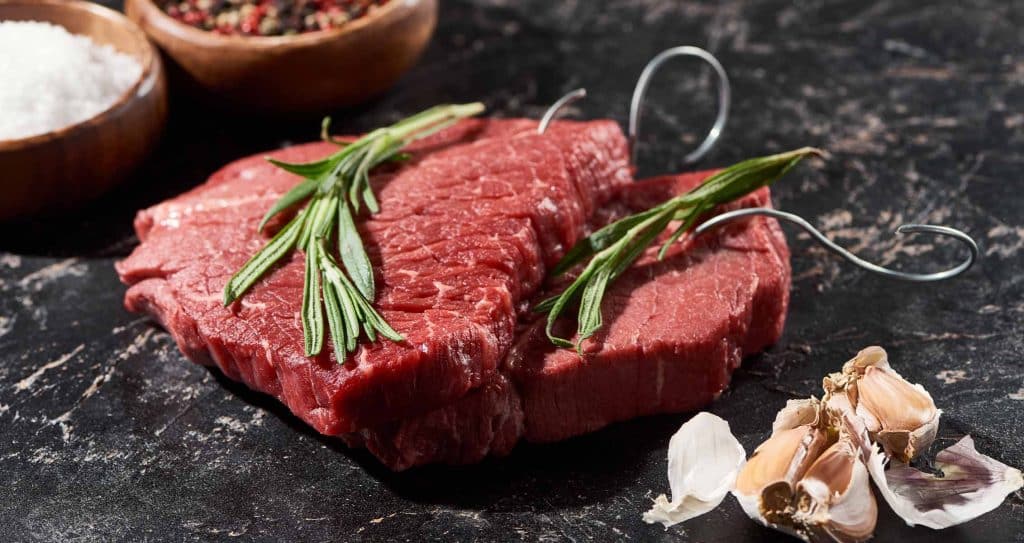
Protein itself does not directly cause dehydration. However, breaking down protein produces nitrogen-containing waste products that your body must eliminate, primarily through urine.
When protein intake increases significantly, the kidneys may need to excrete more nitrogenous waste. This can contribute to increased urine production and, in some circumstances, increase your overall fluid requirements.
That doesn’t mean that eating more protein will automatically leave you dehydrated. For most healthy people who drink enough fluids throughout the day, a high-protein diet can be compatible with proper hydration.
The key is making sure your water intake keeps up with your overall dietary and activity needs.
How Much Water Should You Drink on a High-Protein Diet?
There isn’t one specific amount of water that everyone consuming a high-protein diet needs.
Your hydration requirements depend on several factors, including:
- Body size
- Protein intake
- Physical activity
- Sweat rate
- Climate and temperature
- Sodium intake
- Carbohydrate intake
- Overall diet
- Individual health factors
Someone who works out intensely and sweats heavily will generally need more fluids than someone who spends most of the day sitting indoors.
Rather than focusing exclusively on a specific number of ounces, pay attention to your body’s hydration signals and increase your fluid intake when you’re exercising, sweating heavily, or spending time in hot environments.
Why Is Hydration Important for Muscle Growth?
Hydration plays an important role in exercise performance and recovery.
Muscle tissue contains a significant amount of water, and maintaining adequate hydration supports normal physiological processes involved in exercise. Even mild dehydration can make workouts feel more difficult and negatively affect how you feel during training.
For people trying to build muscle, hydration should therefore be considered alongside protein intake, calories, carbohydrates, sleep, and resistance training.
Getting enough protein won’t compensate for poor hydration, just as drinking plenty of water won’t replace the need for adequate protein.
Does More Protein Mean You Need More Water?
Potentially, yes.
If you substantially increase your protein intake, it makes sense to pay closer attention to hydration. Your body has to process and eliminate the byproducts of protein metabolism, and adequate fluid intake supports normal kidney function and waste elimination.
However, there’s an important distinction between needing more water and protein causing dehydration.
A high-protein diet doesn’t inherently mean you’re going to become dehydrated. Instead, your overall fluid needs may change as your diet, training volume, body weight, and activity level change.
Protein Shakes and Hydration
Protein shakes are a convenient way to increase daily protein intake, particularly when you’re busy or don’t have time to prepare a full meal.
For athletes and lifters who consume protein shakes regularly, a ready-to-drink protein shake can make it easier to get high-quality protein throughout the day.
CARNIVOR PROTEIN HYDRATION RTD
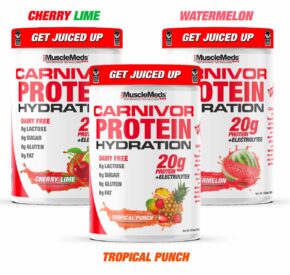
Get Juiced Up with this light and refreshing 2-in-1 protein plus hydration drink to fuel your muscles for optimal performance and recovery. CARNIVOR PROTEIN HYDRATION goes down smoothly and tastes like your favorite juice!
CARNIVOR PROTEIN HYDRATION RTD provides the convenience of a ready-to-drink protein shake with the muscle-building nutrition of beef protein isolate.
Each serving provides 30 grams of beef protein isolate, making it an easy option for athletes, bodybuilders, and anyone looking for a convenient way to increase their daily protein intake.
CARNIVOR RTD uses USDA-inspected beef protein and advanced hydrolysis technology to produce a highly concentrated beef protein isolate. The formula is designed to provide a convenient source of amino acids while being easy to incorporate into your daily nutrition plan.
The shake contains:
- 30 grams of beef protein isolate
- 0 grams of fat
- 0 grams of cholesterol
- 0 grams of sugar
- 0 grams of lactose
- 0 grams of gluten
- Added BCAAs
- Non-GMO beef protein
- RBST-free beef
- Hormone-free beef
The beef protein isolate is hydrolyzed, which breaks the protein down into smaller components to support rapid digestion and absorption.
Why Choose Beef Protein Isolate?

Whey isn’t the only option when it comes to protein supplementation.
CARNIVOR uses pure beef protein isolate as its primary protein source, providing an alternative for people who prefer not to use whey or who are looking for a different type of protein supplement.
The manufacturing process removes fat and cholesterol while concentrating the protein and amino acids from the beef source.
For people who want a convenient protein source without adding significant amounts of fat, sugar, lactose, or carbohydrates to their diet, a beef protein RTD can be an appealing option.
Does CARNIVOR RTD Hydrate You?
It’s important to distinguish between a protein shake and a dedicated hydration drink.
CARNIVOR PROTEIN HYDRATION RTD can be a convenient way to consume protein, but it shouldn’t replace your normal water intake. If you’re training hard, sweating heavily, or consuming a high-protein diet, continue prioritizing adequate fluids throughout the day.
Think of your protein shake as part of your overall nutrition strategy—not your only source of hydration.
The Bottom Line: Can Too Much Protein Dehydrate You?
Too much protein doesn’t automatically dehydrate you.
However, increasing protein intake can affect your body’s production and elimination of nitrogen-containing waste, which is one reason people consuming higher-protein diets should pay attention to their fluid intake.
If you’re eating a high-protein diet, drinking enough water, eating a balanced diet, and maintaining healthy habits can help you support proper hydration while getting the protein you need for your goals.
For a convenient protein option, CARNIVOR PROTEIN HYDRATION RTD from MuscleMeds delivers 30 grams of beef protein isolate per serving along with BCAAs, without fat, cholesterol, sugar, lactose, or gluten.
Whether you’re trying to build muscle, support recovery, or simply make hitting your daily protein target easier, a ready-to-drink protein shake can be a convenient addition to your nutrition plan.
Let us know what you think in the comments below. Also, be sure to follow Generation Iron on Facebook, Twitter, and Instagram.
References
- National Academies of Sciences, Engineering, and Medicine. Dietary Reference Intakes for Water, Potassium, Sodium, Chloride, and Sulfate. National Academies Press. — Useful for the article’s discussion of daily hydration needs and the fact that fluid requirements vary based on factors such as activity and environmental conditions.
- American College of Sports Medicine. Exercise and Fluid Replacement. Medicine & Science in Sports & Exercise. — Supports the sections discussing hydration, exercise, sweating, and maintaining adequate fluid intake during physical activity.
- Jäger R, et al. International Society of Sports Nutrition Position Stand: Protein and Exercise. Journal of the International Society of Sports Nutrition. — Supports the discussion of protein intake, muscle growth, recovery, and the role of protein in an active lifestyle.