Don’t Let Yourself Get Dehydrated
For athletes, bodybuilders, and fitness enthusiasts, protein is the backbone of muscle growth and recovery. It fuels repair after intense workouts, supports lean muscle mass, and even plays a role in immune function. But while most discussions around protein focus on “how much” or “what type,” one often-overlooked factor is hydration.
When you consume large amounts of protein, your body’s liver and kidneys must work harder to metabolize and filter the byproducts. Without proper hydration, this process can put unnecessary strain on your organs and negatively impact performance, recovery, and overall health. The solution? Pairing your protein intake with optimal hydration and electrolyte balance.
In this article, our team at Generation Iron will break down why hydration is so critical when consuming protein, how protein metabolism affects your kidneys and liver, and how hydration works to keep your body in peak condition.
The Role of Protein in the Body

Protein is made up of amino acids—the building blocks your body uses to repair muscle tissue, create enzymes, produce hormones, and support countless cellular processes. Athletes and active individuals often consume higher-than-average amounts of protein to accelerate recovery and enhance strength gains.
But here’s what happens when protein is metabolized:
- Digestion & Absorption
Protein is broken down into amino acids and absorbed into the bloodstream. Hydrolyzed proteins, like those found in Carnivor RTDs, are pre-broken into smaller peptides, making absorption even faster. - Liver Processing
The liver processes amino acids, removing nitrogen and converting it into urea, which is then transported to the kidneys for excretion. - Kidney Excretion
The kidneys filter urea and other byproducts from the blood, expelling them through urine. This process requires water—making hydration absolutely essential.
How High Protein Intake Affects the Kidneys and Liver
While protein itself isn’t harmful to healthy individuals, excessive protein without proper hydration can create unnecessary strain on the liver and kidneys.
- Kidney Stress: Higher protein intake increases urea production, which must be filtered by the kidneys. Without enough water, this filtering becomes less efficient, leading to dehydration and, over time, potential kidney issues.
- Liver Load: The liver works to detoxify byproducts of protein metabolism. If hydration is inadequate, toxins can accumulate more easily, slowing recovery and impacting energy levels.
- Nitrogen Balance: Too much protein and too little hydration can throw off nitrogen balance in the body, which affects muscle growth and repair efficiency.
In short: protein is crucial for athletes, but hydration is the key to keeping the process safe and effective.
Why Hydration Matters in Protein Metabolism

Hydration isn’t just about quenching thirst—it’s about enabling your body to process nutrients, regulate temperature, and maintain performance. When consuming large amounts of protein, hydration plays several specific roles:
- Helps the Kidneys Excrete Waste
Water dilutes urea and other byproducts, making it easier for the kidneys to excrete them without strain. - Maintains Electrolyte Balance
Proper hydration ensures sodium, potassium, magnesium, and other electrolytes remain balanced, which is critical for nerve signaling, muscle contraction, and recovery. - Prevents Muscle Cramps and Fatigue
Dehydration combined with high protein intake can increase the likelihood of cramps and reduce muscle performance. - Supports Recovery and Energy Production
Hydrated cells are more efficient at absorbing amino acids and repairing damaged tissue, leading to faster recovery times.
How Carnivor Protein Hydration RTDs Solve the Problem
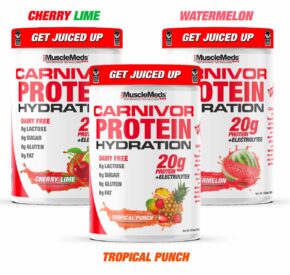
Get Juiced Up with this light and refreshing 2-in-1 protein plus hydration drink to fuel your muscles for optimal performance and recovery. CARNIVOR PROTEIN HYDRATION goes down smoothly and tastes like your favorite juice!
MuscleMeds designed Carnivor Protein Hydration RTDs specifically for athletes who need both high-quality protein and advanced hydration support. Unlike sugary sports drinks or traditional whey-based shakes, Carnivor provides clean, effective nutrition without dairy, lactose, or added sugars.
Here’s why it stands out:
1. 30 Grams of Hydrolyzed Beef Protein Isolate
- Clinically tested and hydrolyzed for faster digestion.
- Provides all essential amino acids without the lactose or fat found in whey.
- Perfect for those who are lactose intolerant or sensitive to dairy.
2. Full-Spectrum Electrolyte Blend
Each bottle contains five essential electrolytes:
- Sodium: Prevents dehydration and muscle cramps.
- Potassium: Regulates heart and muscle contractions.
- Magnesium: Boosts energy production and reduces fatigue.
- Chloride: Helps sodium maintain fluid balance and pH stability.
- Calcium: Supports muscle function, bone health, and enzyme activity.
3. More Electrolytes Than Leading Sports Drinks
Most sports drinks provide electrolytes but lack meaningful protein. Carnivor RTDs combine the two—delivering recovery and hydration in one convenient drink, with no added sugars.
4. Lactose-Free and Zero Sugar
- Easy on digestion.
- No unnecessary calories or blood sugar spikes.
5. Convenient and Flavorful
Available in refreshing flavors like Berry Blast and Rocket Pop, Carnivor RTDs are grab-and-go solutions for post-workout recovery, mid-game fuel, or between-meal protein support.
Practical Tips: Balancing Protein and Hydration
Even if you’re not consuming Carnivor RTDs, athletes and fitness enthusiasts should keep these hydration strategies in mind:
- Follow the “Protein-to-Water” Rule
Aim to drink at least 8–12 ounces of water for every 20–30 grams of protein consumed. - Monitor Urine Color
Clear or light-yellow urine indicates good hydration; darker urine signals dehydration. - Don’t Ignore Electrolytes
Water alone isn’t enough during heavy training. Replace lost electrolytes through balanced drinks like Carnivor RTDs. - Spread Out Protein Intake
Instead of consuming large amounts of protein in one sitting, distribute it evenly across meals and snacks. - Consider Activity Level and Environment
Training in hot conditions or at high intensities increases fluid and electrolyte needs. Adjust hydration accordingly.
Final Thoughts
High protein intake is essential for muscle growth, repair, and overall performance—but it comes with added responsibility. The kidneys and liver work harder when processing protein, and without proper hydration, the body can suffer from fatigue, cramps, and even long-term strain.
By pairing your protein intake with adequate hydration and electrolyte balance, you can maximize recovery, protect your organs, and perform at your best.
MuscleMeds Carnivor Protein Hydration RTDs make this process simple by delivering 30 grams of hydrolyzed beef protein isolate plus a powerful electrolyte blend—all in a refreshing, lactose-free, sugar-free formula. For athletes who want clean, effective results, it’s the smarter way to recover, refuel, and stay hydrated.
Let us know what you think in the comments below. Also, be sure to follow Generation Iron on Facebook, Twitter, and Instagram.