The Complete Guide to Preserving Strength and Size
Cutting body fat is one of the biggest challenges in bodybuilding. While creating a calorie deficit is necessary to reveal muscle definition, losing weight too aggressively often results in the loss of hard-earned muscle mass. The goal of a successful cut isn’t simply to weigh less—it’s to lose fat while maintaining as much lean muscle and strength as possible.
Whether you’re preparing for a bodybuilding competition, getting lean for summer, or improving your overall physique, understanding how to cut without losing muscle can help you achieve a fuller, stronger, and more aesthetic look.
Our team at Generation Iron is going to break it down.
Why Muscle Loss Happens During a Cut

When you consume fewer calories than your body burns, it begins using stored energy to make up the difference. Ideally, that energy comes primarily from body fat. However, if your nutrition or training isn’t optimized, your body may also break down muscle tissue for fuel.
Common causes of muscle loss while cutting include:
- Losing weight too quickly
- Eating too little protein
- Eliminating strength training
- Performing excessive cardio
- Poor recovery and inadequate sleep
- Maintaining an aggressive calorie deficit for too long
Fortunately, these mistakes are avoidable.
Keep Your Calorie Deficit Moderate
One of the biggest misconceptions is that eating dramatically fewer calories leads to faster, better results. While you’ll likely lose weight more quickly, you’ll also increase the risk of muscle loss.
A moderate calorie deficit of approximately 300 to 500 calories per day is generally the most sustainable approach. This allows steady fat loss while giving your body enough energy to maintain muscle tissue and training performance.
Aim to lose roughly 0.5–1% of your body weight per week for optimal muscle retention.
Prioritize Protein Intake
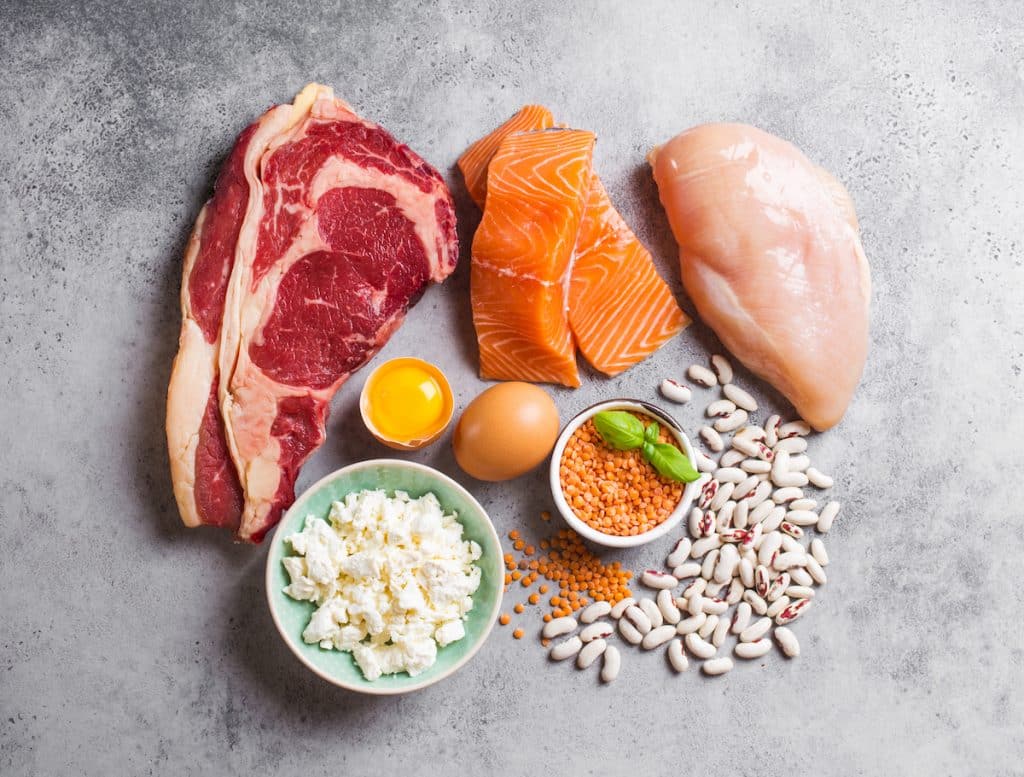
Protein is the single most important nutrient during a cutting phase.
A high-protein diet helps:
- Preserve lean muscle mass
- Support muscle protein synthesis
- Improve recovery
- Increase satiety
- Reduce hunger during dieting
Most resistance-trained individuals benefit from consuming 0.7–1.0 grams of protein per pound of body weight daily, especially while in a calorie deficit.
High-quality protein sources include:
- Lean beef
- Chicken breast
- Turkey
- Fish
- Eggs
- Greek yogurt
- Protein supplements
Fast-digesting protein supplements can also help you consistently hit your daily protein target without adding excessive calories.
Continue Lifting Heavy
Many people mistakenly switch to light weights and high repetitions during a cut.
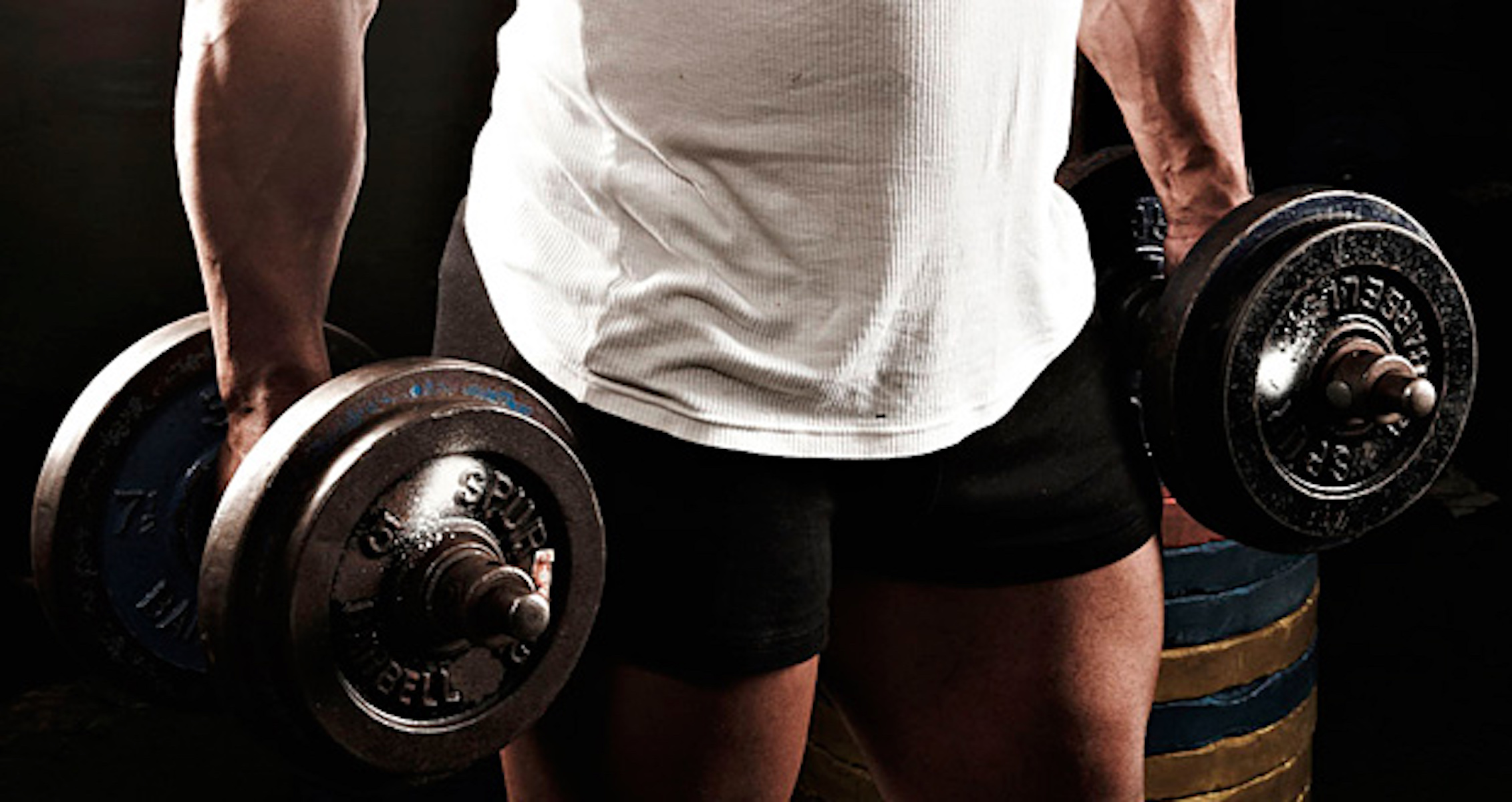
Instead, continue training with challenging weights to remind your body that muscle tissue is still needed.
Focus on:
- Compound exercises
- Progressive overload whenever possible
- Maintaining strength
- Training each muscle group 2–3 times weekly
While your strength may decrease slightly as body weight drops, your goal should be to maintain as much performance as possible.
Don’t Overdo Cardio
Cardio is an excellent tool for increasing calorie expenditure, but too much can interfere with recovery and muscle retention.
Instead of relying exclusively on hours of cardio, combine:
- Moderate calorie restriction
- Resistance training
- Moderate cardio sessions
- Daily activity (walking and steps)
This balanced approach often produces better long-term results than excessive endurance exercise.
Time Your Nutrition Around Training
Eating protein before and after workouts can help maximize muscle protein synthesis and improve recovery.
A post-workout meal or shake containing quality protein allows your muscles to begin repairing immediately after training.
Including carbohydrates around workouts may also help maintain training intensity and replenish glycogen stores.
Sleep and Recovery Matter

Recovery becomes even more important during a calorie deficit.
Poor sleep can:
- Reduce testosterone
- Increase cortisol
- Slow recovery
- Increase hunger
- Reduce workout performance
Aim for 7–9 hours of quality sleep each night while managing stress levels whenever possible.
Stay Consistent
Successful cutting isn’t about perfection.
Small, sustainable habits performed consistently produce better long-term results than crash diets or extreme calorie restriction.
Focus on:
- Daily protein intake
- Progressive strength training
- Smart cardio
- Proper recovery
- Consistent nutrition
Over time, body fat decreases while muscle definition becomes increasingly visible.
Supplement Recommendation: CARNIVOR Beef Protein Isolate
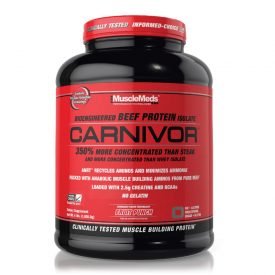
Carnivor is a 100% beef protein isolate that is fast digesting and great tasting for an effective non-dairy protein supplement.
If preserving muscle is your top priority while cutting, a high-quality protein supplement can make reaching your daily protein goals much easier. One standout option is CARNIVOR Beef Protein Isolate, the world’s best-selling beef protein supplement.
Unlike many traditional protein powders, CARNIVOR uses hydrolyzed beef protein isolate to deliver a highly concentrated source of muscle-building amino acids while remaining free of many ingredients that can make other proteins difficult to digest.
Why CARNIVOR Stands Out
CARNIVOR provides:
- 100% hydrolyzed beef protein isolate
- Sugar-free formula
- Fat-free
- Lactose-free
- Cholesterol-free
- No dairy protein
- High concentration of essential amino acids
According to MuscleMeds, CARNIVOR delivers even greater concentrations of anabolic amino acids than many protein sources commonly found in supplements, making it an excellent option for athletes focused on preserving lean muscle during a calorie deficit.
Clinically Studied Results
Research on resistance-trained male athletes found that participants supplementing with CARNIVOR Beef Protein Isolate while following a structured training program experienced significant improvements in lean body mass and strength over an eight-week period.
Study participants gained an average of 7.7 pounds of lean muscle mass, compared to just 0.7 pounds in the placebo group. They also increased their combined one-repetition maximum in the bench press and deadlift by an average of 147.7 pounds, substantially outperforming the placebo group.
While individual results will vary depending on training, nutrition, and genetics, these findings demonstrate the effectiveness of combining quality protein supplementation with consistent resistance training.
Perfect for Cutting Phases
Because CARNIVOR contains virtually no sugar, fat, lactose, or cholesterol, it fits easily into most cutting diets. It allows you to increase protein intake without consuming unnecessary calories, helping support muscle maintenance while you work toward a leaner physique.
For bodybuilders, strength athletes, and fitness enthusiasts looking to maximize muscle retention during a calorie deficit, CARNIVOR remains one of the most trusted beef protein supplements available.
Final Thoughts
Learning how to cut without losing muscle comes down to balancing nutrition, training, and recovery. A moderate calorie deficit, consistent strength training, high protein intake, and adequate sleep create the ideal environment for preserving lean muscle while reducing body fat.
Adding a premium protein supplement like CARNIVOR Beef Protein Isolate can further support your goals by providing high-quality, rapidly absorbed protein with minimal fats and carbohydrates. Combined with disciplined training and smart nutrition, it can help you maintain the muscle you’ve worked hard to build while achieving a lean, defined physique.
Let us know what you think in the comments below. Also, be sure to follow Generation Iron on Facebook, Twitter, and Instagram.
References
- International Society of Sports Nutrition. Jäger R, Kerksick CM, Campbell BI, et al. International Society of Sports Nutrition Position Stand: Protein and Exercise.
- International Society of Sports Nutrition. Helms ER, Aragon AA, Fitschen PJ. Evidence-Based Recommendations for Natural Bodybuilding Contest Preparation: Nutrition and Supplementation.
- American College of Sports Medicine. Nutrition and Athletic Performance.
- National Institutes of Health. Office of Dietary Supplements: Protein and Amino Acids Fact Sheet.