The Science Behind Caffeine and Fat Loss
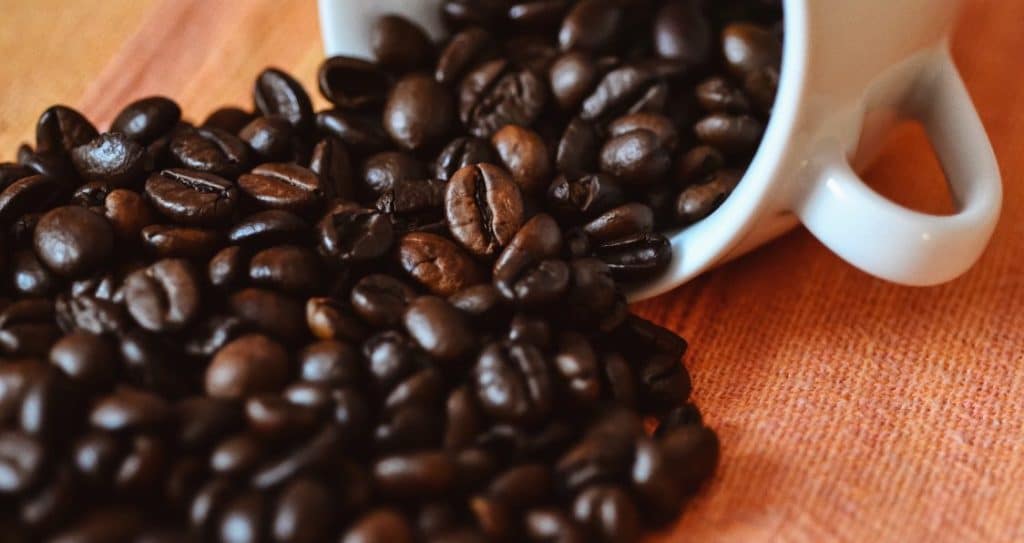
Caffeine is one of the most researched and widely consumed performance-enhancing compounds in the world. Found in coffee, energy drinks, fat burners, and pre-workouts, it’s often marketed as a powerful metabolism booster. But does caffeine actually burn fat, or is that just supplement industry hype?
The short answer: caffeine can support fat burning and weight loss — but only when combined with proper nutrition and training. Our team at Generation Iron is going to break down exactly how caffeine works, what the research says, and how to use it effectively during a fat loss phase.
How Caffeine Affects Fat Burning
To understand whether caffeine burns fat, you need to understand what it does inside the body.
1. Caffeine Increases Adrenaline and Fat Mobilization
Caffeine stimulates the central nervous system by blocking adenosine receptors. This increases the release of adrenaline (epinephrine), a hormone that signals your body to break down stored fat.
When adrenaline rises, triglycerides stored in fat cells are broken down into free fatty acids. This process, called lipolysis, makes fat available to be used as fuel.
Important distinction: caffeine helps release fat from fat cells — but your body still needs to burn those fatty acids for energy. If you’re not active or not in a calorie deficit, that fat may simply be re-stored.
2. Caffeine Increases Metabolic Rate
Research shows caffeine can increase resting metabolic rate (RMR) by roughly 3–11%, depending on dosage and individual sensitivity. This means you burn slightly more calories at rest after consuming caffeine.
While that increase isn’t massive, over time it can contribute to greater overall energy expenditure — especially when paired with exercise.
Lean individuals often see a slightly stronger metabolic response compared to those who are overweight, but results vary widely.
3. Caffeine Enhances Fat Oxidation During Exercise
One of caffeine’s most powerful effects occurs during training.
Studies show caffeine can increase fat oxidation — the body’s ability to use fat as fuel — particularly during endurance exercise like steady-state cardio.
When taken pre-workout, caffeine may shift your body to rely more heavily on fat for energy instead of carbohydrates. This makes it especially useful during cutting phases when calories are controlled.
4. Caffeine Improves Workout Performance
Arguably, caffeine’s biggest impact on fat loss is indirect.
Caffeine improves:
- Strength output
- Muscular endurance
- Power production
- Focus and alertness
- Training intensity
When you train harder, lift heavier, and maintain higher output, you burn more calories and preserve more muscle mass — both critical for effective fat loss.
This is where strategic use of a quality pre-workout supplement can be beneficial.
How Much Caffeine Is Effective for Fat Loss?

Now, you certainly can consume too much caffeine and this is something that you don’t want. Most research suggests an effective dose of:
3–6 mg per kilogram of bodyweight
For example:
- 150 lb (68 kg) individual: 200–400 mg
- 180 lb (82 kg) individual: 250–500 mg
For reference:
- 1 cup of coffee: 80–120 mg
- Many pre-workouts: 200–350 mg
Higher doses do not necessarily mean better fat loss and can increase side effects like anxiety, rapid heart rate, and sleep disruption.
Can Caffeine Help You Lose Weight?
Yes — but only under the right conditions.
Caffeine can:
- Slightly increase daily calorie burn
- Improve fat mobilization
- Increase exercise performance
- Temporarily suppress appetite in some individuals
However, caffeine cannot:
- Override a calorie surplus
- Replace a structured diet
- Cause fat loss without activity
If you are not in a calorie deficit, caffeine alone will not lead to meaningful fat loss.
The Importance of Training Intensity During a Cut
When dieting for fat loss, energy levels often drop. Strength can decline, motivation decreases, and workouts become less productive. This is where caffeine becomes especially useful.
Maintaining training intensity during a calorie deficit is essential for preserving lean muscle mass. Losing muscle slows metabolism and makes fat loss harder long-term.
A well-formulated pre-workout with caffeine can help you maintain performance even when calories are reduced.
For example, MUTANT ALL-IN is a comprehensive pre-workout that contains 320 mg of caffeine anhydrous — a strong, research-backed dose that supports energy, focus, and training output.
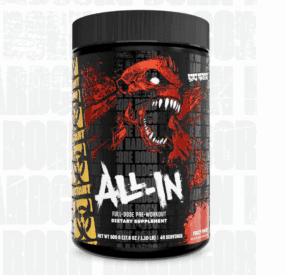
MUTANT ALL-IN IS HERE AND READY TO ROCK YOUR WORKOUTS! Pick up MUTANT ALL-IN and hit the weights like never before.
Beyond caffeine, it includes:
- 8 g Citrulline Malate for blood flow and endurance
- 5 g Creatine Monohydrate to maintain strength and muscle
- 3.2 g Beta-Alanine to improve muscular endurance
- 1 g Taurine for hydration and cellular performance

During fat loss phases, a formula like this can help maintain strength and performance levels. While caffeine contributes to increased energy expenditure and fat mobilization, ingredients like creatine play a critical role in preserving muscle — which is just as important as burning fat.
Used properly, a pre-workout such as MUTANT ALL-IN can support harder training sessions, which ultimately contributes more to long-term fat loss than caffeine alone.
Tolerance and Cycling
One important consideration is tolerance. The more frequently you consume caffeine, the more your body adapts. Over time:
- The metabolic boost decreases
- Energy effects feel weaker
- Appetite suppression fades
Cycling caffeine intake — such as taking a week off every couple of months — may help maintain sensitivity.
If you already consume large amounts of caffeine daily from coffee and energy drinks, adding high-stimulant pre-workouts may offer diminishing returns.
Potential Side Effects
While caffeine can support fat burning, excessive intake can lead to:
- Increased heart rate
- Anxiety or jitters
- Insomnia
- Elevated blood pressure
- Digestive discomfort
Sleep disruption is particularly problematic during fat loss. Poor sleep increases hunger hormones and can reduce fat loss efficiency.
Moderation and timing (avoiding caffeine late in the day) are key.
Is Caffeine a Fat Burner?
Technically, yes — but only mildly.
Caffeine increases fat mobilization, metabolic rate, and exercise output. However, its direct fat-burning effect is relatively small compared to the impact of diet and training.
Think of caffeine as a performance enhancer that indirectly supports fat loss rather than a primary fat-loss solution.
Final Verdict
Caffeine can help burn fat — but it works best as part of a complete fat loss strategy that includes:
- A consistent calorie deficit
- High-protein nutrition
- Progressive resistance training
- Adequate sleep
- Strategic cardio
Its biggest value lies in improving training performance and slightly increasing energy expenditure.
For individuals looking to maximize gym performance during a cut, a properly dosed pre-workout like MUTANT ALL-IN can provide the caffeine and performance ingredients needed to maintain intensity and preserve muscle while dieting.
At the end of the day, caffeine is a tool — not a miracle. Used intelligently, it can give you an edge. But sustainable fat loss will always come down to discipline, consistency, and smart programming.
Let us know what you think in the comments below. Also, be sure to follow Generation Iron on Facebook, Twitter, and Instagram.