What You Need to Know About Hormones, Blood Flow, and Performance
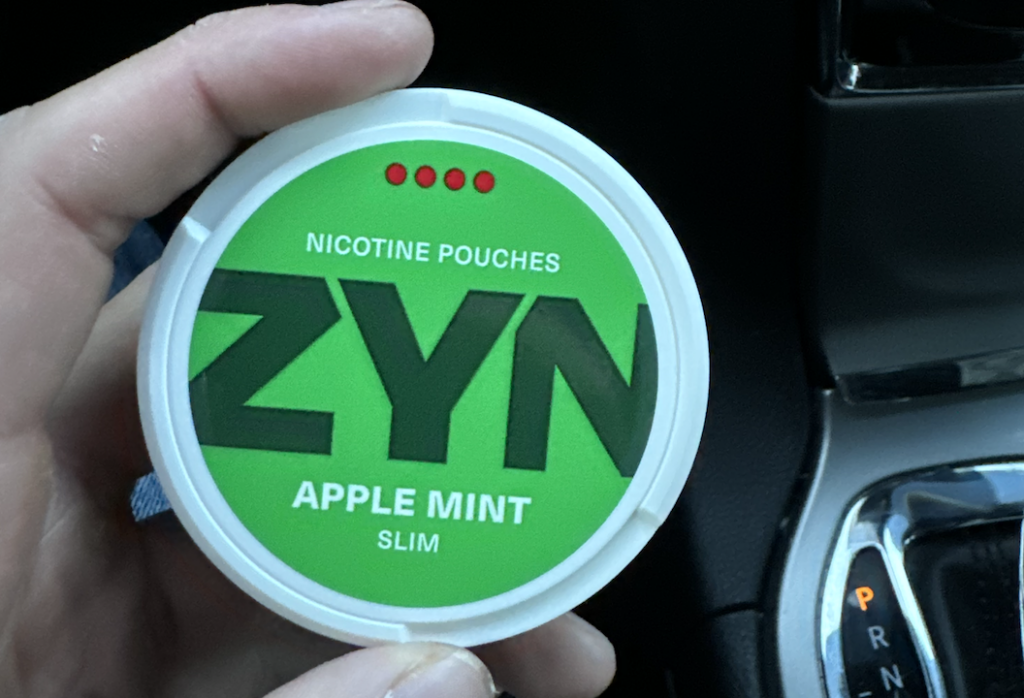
Nicotine has become increasingly popular in recent years through products like cigarettes, cigars, chewing tobacco, nicotine pouches, vapes, and gums. While many people use nicotine for focus, stress relief, or stimulation, there’s growing concern about how nicotine affects testosterone levels, athletic performance, sexual health, and blood flow.
The relationship between nicotine and testosterone is more complicated than many people realize. Some studies suggest nicotine may temporarily increase testosterone in certain users, while others show long-term nicotine use may negatively affect hormone production, circulation, fertility, and overall health.
If you care about muscle growth, recovery, energy levels, libido, or cardiovascular performance, understanding how nicotine impacts the body is important. Our team at Generation Iron is going to break it down.

What Is Testosterone?

Testosterone is the primary male sex hormone responsible for many important functions in the body, including:
- Muscle growth and strength
- Bone density
- Libido and sexual performance
- Mood and confidence
- Red blood cell production
- Energy levels
- Recovery from exercise
- Fat distribution
Although women also produce testosterone, men typically have much higher levels. Healthy testosterone production depends on proper function of the hypothalamus, pituitary gland, and testes.
Lifestyle factors like sleep, diet, stress, exercise, alcohol, and nicotine use can all influence hormone production.
Does Nicotine Increase or Decrease Testosterone?
The answer is not completely straightforward. Some research has shown that nicotine users may have slightly higher testosterone levels compared to non-users. However, this does not necessarily mean nicotine is good for testosterone or overall hormonal health.
Here’s why:
Short-Term Effects
Nicotine acts as a stimulant. It triggers the release of adrenaline, dopamine, and other neurotransmitters that temporarily increase alertness and arousal. This stimulation can sometimes create a short-term rise in circulating testosterone.
However, short-term hormonal spikes are not the same thing as healthy, sustainable testosterone production.
Long-Term Effects
Chronic nicotine use may negatively affect:
- Testicular function
- Sperm quality
- Cortisol levels
- Blood vessel health
- Sleep quality
- Recovery
- Cardiovascular function
All of these factors can indirectly lower natural testosterone production over time.
In many cases, nicotine may create the illusion of increased energy or performance while simultaneously impairing the body’s long-term hormonal health.
Nicotine and Cortisol

One of the biggest concerns with nicotine use is its effect on cortisol.
Cortisol is the body’s primary stress hormone. Elevated cortisol over long periods can interfere with testosterone production because the body prioritizes survival and stress management over anabolic hormone production.
Nicotine stimulates the nervous system and increases stress responses in the body. Frequent nicotine use may lead to chronically elevated cortisol levels, especially in individuals who already deal with:
- Poor sleep
- Overtraining
- High stress
- Calorie restriction
- Excess caffeine intake
High cortisol combined with poor recovery is a recipe for lower testosterone levels over time.
How Nicotine Impacts Blood Flow
One of the most significant negative effects of nicotine is its impact on blood circulation and vascular function.
Vasoconstriction
Nicotine causes vasoconstriction, which means it narrows blood vessels. When blood vessels constrict, less oxygen-rich blood can flow through the body.
This affects:
- Muscle performance
- Endurance
- Recovery
- Heart health
- Erectile function
Reduced circulation means tissues receive less oxygen and nutrients, making it harder for the body to perform and recover efficiently.
Nicotine and Erectile Dysfunction
Because erections rely heavily on healthy blood flow, nicotine use can contribute to erectile dysfunction (ED).
Even younger users who vape or use nicotine pouches may experience reduced circulation and impaired vascular responsiveness.
Over time, nicotine can damage the lining of blood vessels, reducing nitric oxide production. Nitric oxide is critical for relaxing blood vessels and promoting healthy circulation.
Poor nitric oxide production can result in:
- Weaker erections
- Reduced sexual performance
- Lower exercise endurance
- Slower muscle recovery
For many men, these circulation issues become noticeable before testosterone problems appear.
Does Vaping Affect Testosterone?
Many people assume vaping is safer than smoking because it eliminates combustion and tar exposure. While vaping may reduce certain harmful chemicals found in cigarettes, nicotine itself still affects the cardiovascular and endocrine systems.
Vaping nicotine may still:
- Increase cortisol
- Constrict blood vessels
- Disrupt sleep
- Affect recovery
- Impair circulation
Additionally, some vape products contain chemicals that may increase oxidative stress and inflammation, which can further impact hormonal health.
Nicotine, Gym Performance, and Muscle Growth
Some athletes use nicotine because it can temporarily increase focus, alertness, and appetite suppression. However, these short-term effects often come with trade-offs.
Potential Downsides for Fitness
Nicotine may negatively impact:
- Recovery capacity
- Sleep quality
- Oxygen delivery
- Cardiovascular endurance
- Hydration status
- Nutrient delivery to muscles
Muscle growth depends heavily on recovery, sleep, blood flow, and hormone balance. Anything that interferes with those systems can make gaining muscle and strength more difficult.
Sleep and Testosterone
Testosterone production is closely tied to sleep quality.
Most testosterone release occurs during deep sleep cycles. Unfortunately, nicotine is a stimulant, which can interfere with:
- Falling asleep
- Sleep duration
- REM sleep
- Deep sleep quality
Poor sleep can rapidly lower testosterone levels, increase cortisol, and reduce recovery from training.
Even if nicotine does not directly suppress testosterone in every user, its impact on sleep alone may contribute to hormonal issues over time.
Smoking vs. Nicotine Pouches vs. Vaping
Different nicotine delivery methods carry different levels of risk.
Cigarettes
Smoking cigarettes is by far the worst option because users are exposed to:
- Carbon monoxide
- Tar
- Thousands of toxic chemicals
- Increased oxidative stress
Smoking significantly damages circulation and cardiovascular health, which can severely impact testosterone and performance long term.
Vapes
Vapes eliminate combustion but still deliver nicotine and other potentially harmful compounds.
Long-term research on vaping is still developing, but current evidence suggests vaping is not harmless.
Nicotine Pouches
Nicotine pouches remove smoke and vapor exposure entirely, but nicotine itself still affects blood vessels, heart rate, and stress hormones.
While pouches may reduce certain respiratory risks compared to smoking, they are not completely free of hormonal or cardiovascular concerns.
Can Quitting Nicotine Improve Testosterone?
For many people, quitting nicotine may help improve:
- Blood circulation
- Cardiovascular health
- Sleep quality
- Recovery
- Energy levels
- Erectile function
Improved overall health can support healthier testosterone production naturally.
However, quitting nicotine can temporarily increase stress and fatigue during withdrawal. Some users may experience short-term mood swings or low motivation before the body adapts.
The long-term benefits usually outweigh the temporary discomfort.
Natural Ways to Support Healthy Testosterone Levels

If your goal is optimizing testosterone naturally, focus on foundational health habits instead of stimulants.
Prioritize Sleep
Aim for 7–9 hours of quality sleep per night.
Strength Train Regularly
Compound lifts and resistance training help stimulate testosterone production naturally.
Maintain a Healthy Diet
Focus on:
- Protein
- Healthy fats
- Micronutrients
- Whole foods
Reduce Chronic Stress
Managing stress helps control cortisol levels.
Improve Cardiovascular Health
Better circulation supports hormone delivery, exercise performance, and sexual health.
Avoid Excessive Nicotine and Smoking
Reducing nicotine intake may improve vascular function and recovery over time.
Can a Testosterone Booster Help?
If you are concerned about how nicotine may impact testosterone levels, recovery, energy, or blood flow, adding a high-quality testosterone support supplement may help support overall hormonal health alongside proper sleep, nutrition, and training. One option worth considering is MuscleMeds Vitamin T.
Unlike many basic testosterone boosters that only focus on one or two ingredients, Vitamin T combines a complete multivitamin formula with clinically researched testosterone-support ingredients. This makes it useful not only for supporting hormone health, but also for improving overall recovery, performance, and wellness.
What Is MuscleMeds Vitamin T?
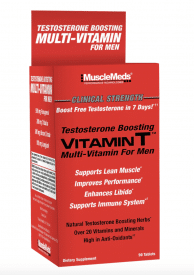
Men's health is crucial, and from your immune system to your testosterone levels, Vitamin T has you covered!
MuscleMeds Vitamin T is an all-in-one testosterone booster and daily multivitamin designed to support:
- Healthy testosterone levels
- Recovery and muscle growth
- Energy production
- Immune health
- Overall wellness and performance
Final Thoughts
Nicotine’s effects on testosterone are complex. While some studies show temporary increases in testosterone markers among nicotine users, long-term nicotine use may negatively affect the systems that support healthy hormone production.
One of the biggest concerns is nicotine’s impact on blood flow. Vasoconstriction, reduced nitric oxide production, and cardiovascular strain can impair exercise performance, recovery, and sexual health even if testosterone levels initially appear normal.
Whether through smoking, vaping, or nicotine pouches, excessive nicotine use may create more long-term downsides than benefits for individuals focused on fitness, performance, and hormonal health.
If optimizing testosterone, recovery, muscle growth, and circulation are priorities, reducing nicotine use and focusing on sleep, nutrition, training, and cardiovascular health will usually provide better long-term results.
Let us know what you think in the comments below. Also, be sure to follow Generation Iron on Facebook, Twitter, and Instagram.