What You Need to Know Before Supplementing
Creatine monohydrate is one of the most extensively studied sports supplements in the world. Hundreds of clinical studies have consistently shown that healthy individuals can safely use creatine for both short-term and long-term supplementation.
That said, no supplement is perfect. While creatine offers tremendous benefits, there are a few potential disadvantages worth discussing.
Our team at Generation Iron is going to break it down.
1. Temporary Water Weight Gain

The most common downside of creatine is an increase in water retention.
Creatine pulls water into muscle cells, making muscles appear fuller and more hydrated. While this contributes to muscle growth and performance, it can also increase body weight by 2-5 pounds during the first few weeks of supplementation.
For bodybuilders, powerlifters, and strength athletes, this is often viewed as a positive.
However, athletes competing in weight-class sports or endurance events may not appreciate the temporary increase on the scale.
The Good News
This isn’t fat gain—it’s intracellular water stored inside your muscles, which may actually support recovery and performance.
2. Digestive Discomfort
Some people experience mild gastrointestinal issues when first taking creatine.
Possible symptoms include:
- Bloating
- Upset stomach
- Mild cramping
- Diarrhea
These side effects usually occur when someone takes very large doses at once, especially during a loading phase of 20 grams per day.
How to Avoid It
Most people can eliminate digestive issues by:
- Taking only 3-5 grams daily
- Splitting larger doses throughout the day
- Taking creatine with food
- Staying hydrated
3. It Takes Time to Work
Unlike pre-workout supplements, creatine doesn’t produce an immediate energy boost. Instead, it gradually saturates your muscles over several weeks.
Many beginners mistakenly believe creatine “isn’t working” because they don’t feel it after one workout.
The reality is that creatine works behind the scenes by increasing phosphocreatine stores, helping regenerate ATP—the body’s primary energy source during high-intensity exercise.
Consistency is what produces results.
4. Some People Respond Better Than Others
Not everyone experiences identical benefits.
Researchers often classify users as:
- Responders
- Quasi-responders
- Non-responders
Individuals who naturally have higher creatine stores—often those who regularly eat red meat or fish—may notice slightly smaller improvements compared to vegetarians or those with lower baseline creatine levels.
Even so, most resistance-trained individuals still experience measurable improvements in performance over time.
5. Remembering to Take It Every Day

Creatine works through consistent daily supplementation.
Missing an occasional serving isn’t a big deal, but frequently forgetting doses can reduce muscle creatine saturation over time.
That’s why convenience matters.
Many lifters eventually stop using creatine simply because they’re tired of:
- Measuring powder
- Cleaning shaker bottles
- Carrying containers to work or the gym
Finding a convenient delivery method can dramatically improve long-term consistency.
Common Creatine Myths
Several myths continue circulating despite decades of scientific evidence.
Myth: Creatine Damages Healthy Kidneys
Current research has repeatedly shown that creatine supplementation does not damage kidney function in healthy individuals when used at recommended doses.
People with existing kidney disease should always consult a healthcare provider before using any supplement.
Myth: Creatine Causes Hair Loss
The idea stems from one small study showing an increase in DHT levels—not actual hair loss.
To date, no high-quality research has demonstrated that creatine supplementation causes baldness.
Myth: You Need to Cycle Creatine
There is no scientific evidence suggesting creatine must be cycled.
Daily supplementation of 3-5 grams remains the standard recommendation.
The Biggest Downside Isn’t Creatine—It’s Inconvenience
Ironically, one of the biggest reasons people stop taking creatine isn’t because of side effects.
It’s because traditional creatine powders can become a hassle.
Powder tubs create:
- Messy scoops
- Clumpy shakers
- Mixing inconvenience
- Difficulty traveling
Many newer alternatives like gummies contain relatively low doses, require consuming several gummies daily, or add unnecessary sugar.
A Better Way: MUTANT Creatine Bytz™
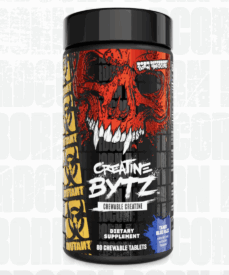
If you’re looking for an easier way to stay consistent, MUTANT Creatine Bytz™ offers a refreshingly simple solution.
Instead of dealing with powders or underdosed gummies, just four tablets provide a clinically effective dose of pure creatine monohydrate.
Benefits include:
- No mixing required
- No shaker bottle
- No chalky texture
- Easy to travel with
- Consistent daily dosing
- Clinically effective creatine monohydrate
Whether you’re training before work, traveling, or simply tired of cleaning shaker bottles, Creatine Bytz™ makes daily supplementation effortless.
At a regular price of $29.99, it’s an excellent option for lifters who value convenience without sacrificing effectiveness.
Final Thoughts
While creatine does have a few potential downsides—including temporary water retention, occasional digestive discomfort, and the need for consistent daily use—these drawbacks are generally minor compared to the overwhelming body of research supporting its benefits.
For most healthy athletes, creatine remains one of the safest, most effective, and highest-value supplements available.
And if traditional powders are the reason you’ve stopped taking creatine in the past, products like MUTANT Creatine Bytz™ make staying consistent easier than ever.
When it comes to building strength, increasing muscle mass, and improving training performance, consistency wins—and making creatine convenient can help ensure you never miss a dose.
Let us know what you think in the comments below. Also, be sure to follow Generation Iron on Facebook, Twitter, and Instagram.
References
- Kreider, R. B., Kalman, D. S., Antonio, J., et al. (2017). International Society of Sports Nutrition Position Stand: Safety and Efficacy of Creatine Supplementation in Exercise, Sport, and Medicine. Journal of the International Society of Sports Nutrition, 14(18). https://doi.org/10.1186/s12970-017-0173-z
- Buford, T. W., Kreider, R. B., Stout, J. R., et al. (2007). International Society of Sports Nutrition Position Stand: Creatine Supplementation and Exercise. Journal of the International Society of Sports Nutrition, 4(6). https://doi.org/10.1186/1550-2783-4-6
- Branch, J. D. (2003). Effect of Creatine Supplementation on Body Composition and Performance: A Meta-analysis. International Journal of Sport Nutrition and Exercise Metabolism, 13(2), 198–226. https://doi.org/10.1123/ijsnem.13.2.198