The Complete Guide to Muscle Recovery for Better Strength, Size, and Performance
Recovery is one of the most overlooked aspects of fitness. Many athletes focus exclusively on training harder, adding more weight to the barbell, picking up a heavier set of dumbbells, or spending extra time in the gym. While intensity is important, your muscles don’t actually grow during your workout—they grow during recovery.
Whether your goal is building muscle mass, increasing strength, improving endurance, or simply feeling ready for your next training session, learning how to recover faster can make a significant difference in your results.
In this guide, our team at Generation Iron is going to break down the most effective recovery strategies backed by sports science, helping you minimize soreness, reduce injury risk, and maximize performance.
Why Recovery Matters

Every workout creates microscopic damage to your muscle fibers. This damage is a normal part of training and triggers your body to repair and rebuild stronger tissue.
Without proper recovery, however, your body can struggle to keep up with the demands of intense exercise. Poor recovery may lead to:
- Reduced strength and power
- Chronic muscle soreness
- Fatigue
- Increased injury risk
- Plateaus in muscle growth
- Poor workout performance
- Hormonal imbalances
- Decreased motivation
Recovery isn’t a sign of weakness—it’s where progress happens.
Prioritize Sleep Above Everything Else

If there is one recovery tool that consistently outperforms everything else, it’s quality sleep.
During deep sleep, your body increases the production of growth hormone, repairs damaged muscle tissue, restores glycogen stores, and regulates hormones responsible for recovery and performance.
Most adults should aim for 7-9 hours of quality sleep each night, while athletes training at a high volume may benefit from even more.
Tips for Better Sleep
- Maintain a consistent bedtime.
- Keep your room cool and dark.
- Limit caffeine late in the day.
- Avoid screens for 30-60 minutes before bed.
- Develop a relaxing nighttime routine.
Improving sleep quality often leads to better strength, energy, and muscle recovery within just a few weeks.
Eat Enough Protein

Muscle recovery depends on having the building blocks necessary for repair.
Protein provides amino acids that help rebuild damaged muscle fibers after resistance training.
Most strength athletes benefit from consuming approximately:
0.7-1.0 grams of protein per pound of body weight daily
Excellent protein sources include:
- Chicken breast
- Lean beef
- Eggs
- Fish
- Greek yogurt
- Cottage cheese
- Whey protein
- Casein protein
Spacing protein intake across multiple meals throughout the day may also optimize muscle protein synthesis.
Replenish Your Carbohydrates
Carbohydrates often get overlooked during recovery discussions, but they’re essential for restoring glycogen—the stored form of energy your muscles use during exercise.
After intense workouts, prioritize carbohydrates such as:
- Rice
- Potatoes
- Oats
- Fruit
- Whole-grain bread
- Pasta
- Sweet potatoes
Combining carbohydrates with protein after training can improve recovery and prepare you for your next workout.
Stay Hydrated

Even mild dehydration can negatively affect recovery.
Water supports:
- Nutrient delivery
- Muscle contractions
- Joint lubrication
- Temperature regulation
- Waste removal
Sweating during workouts causes significant fluid loss, especially during summer training or long endurance sessions.
Monitor hydration by checking urine color—it should generally be pale yellow—and replace fluids consistently throughout the day.
Electrolytes may also be beneficial after prolonged or high-intensity workouts.
Don’t Skip Rest Days
Many athletes believe more training automatically equals better results.
Unfortunately, that’s rarely true. Your body needs planned recovery days to repair muscles, restore energy, and reduce accumulated fatigue. Depending on your training intensity, most lifters benefit from one to three rest days per week.
Remember:
Recovery is part of your training program—not a break from it.
Use Active Recovery
Complete rest isn’t always necessary. Active recovery involves low-intensity movement that increases blood flow without placing additional stress on your muscles.
Examples include:
- Walking
- Easy cycling
- Swimming
- Stretching
- Yoga
- Mobility work
- Light resistance training
These activities can reduce stiffness and help maintain mobility while promoting circulation.
Manage Training Volume
One of the biggest reasons athletes struggle with recovery is simply doing too much.
Signs your training volume may be too high include:
- Constant soreness
- Decreasing strength
- Poor sleep
- Elevated resting heart rate
- Loss of motivation
- Frequent illnesses
- Joint pain
Smart programming includes periods of higher intensity followed by lighter weeks, commonly called deload weeks, allowing your body to fully recover before pushing hard again.
Reduce Stress
Physical training isn’t the only stress your body experiences. Work, relationships, finances, and lack of sleep all contribute to total stress levels.
Chronically elevated stress hormones—particularly cortisol—can interfere with muscle growth and recovery.
Helpful stress-management techniques include:
- Meditation
- Deep breathing exercises
- Journaling
- Walking outdoors
- Spending time with family and friends
- Limiting unnecessary screen time
Managing life stress often improves gym performance more than adding another supplement.
Consider Recovery Supplements
While supplements can’t replace sleep or nutrition, certain products may support recovery when combined with solid habits.
Whey Protein
A convenient way to meet daily protein goals after workouts
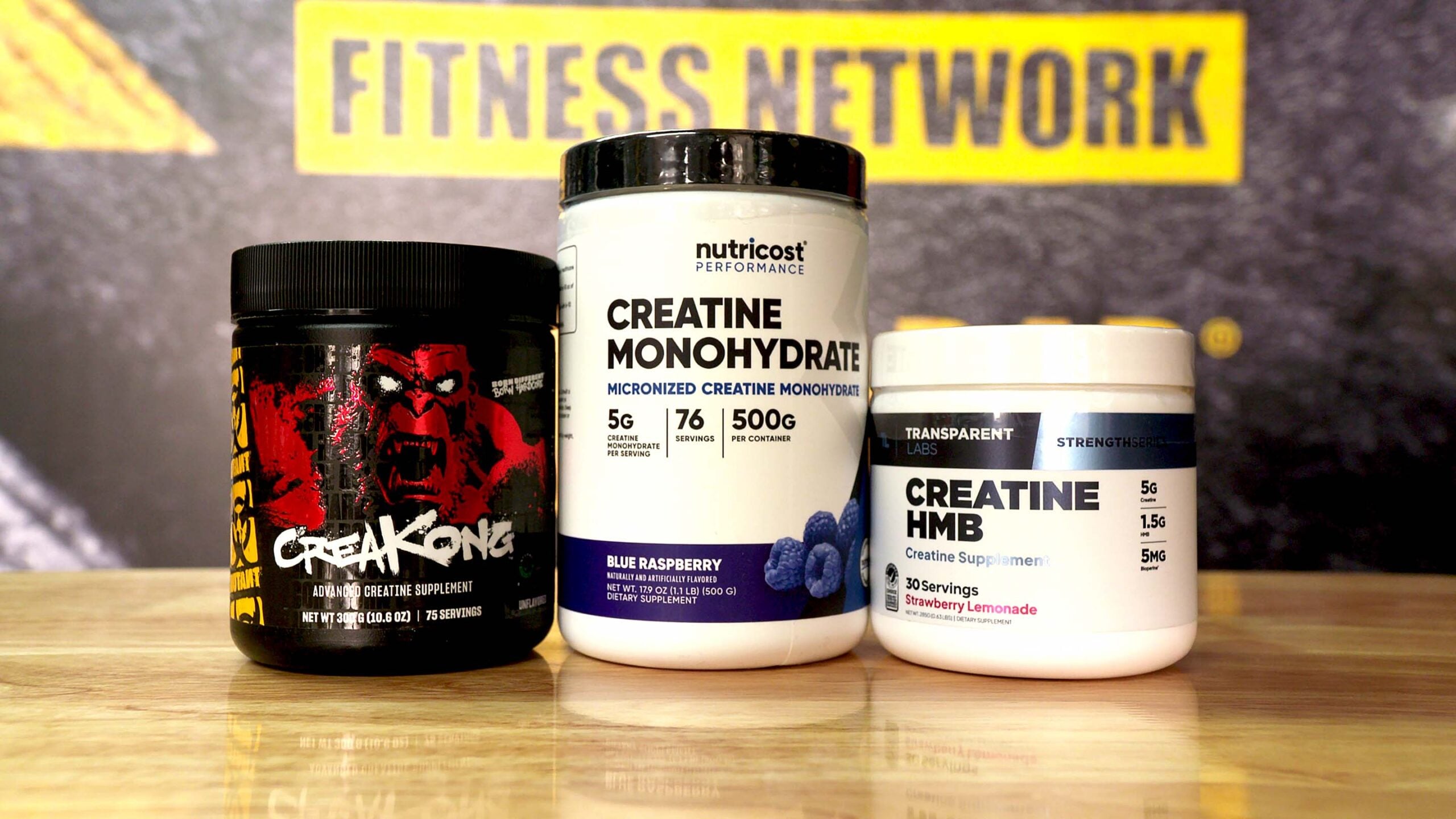
Creatine Monohydrate
One of the most researched supplements available, creatine supports strength, power output, and recovery between high-intensity efforts.
Omega-3 Fatty Acids
Omega-3s can help reduce inflammation and support joint health.
Magnesium
Can aid muscle function and improve sleep quality in individuals who are deficient.
Electrolytes
Useful after long training sessions or workouts performed in hot environments.
Always choose supplements from reputable manufacturers that undergo third-party testing.
Stretch and Improve Mobility

Dynamic warm-ups before training and gentle stretching afterward can help maintain flexibility and joint health.
While stretching won’t completely eliminate muscle soreness, maintaining mobility can improve movement quality and reduce stiffness over time.
Foam rolling and massage therapy may also provide temporary relief from muscle tightness.
Listen to Your Body
Recovery isn’t the same for everyone.
Factors that influence recovery include:
- Age
- Training experience
- Workout intensity
- Nutrition
- Sleep quality
- Genetics
- Stress levels
Pay attention to how your body responds.
If performance continues to decline despite consistent effort, it may be time to reduce training volume or increase recovery efforts.
Common Recovery Mistakes
Many athletes unknowingly slow their progress by making simple mistakes.
Avoid these common pitfalls:
- Sleeping less than seven hours
- Eating too little protein
- Ignoring hydration
- Training intensely every day
- Skipping warm-ups and cooldowns
- Relying solely on supplements
- Returning to heavy lifting before fully recovering
- Neglecting overall stress management
Recovery should be approached with the same discipline as your workouts.
Recommended Recovery Supplement
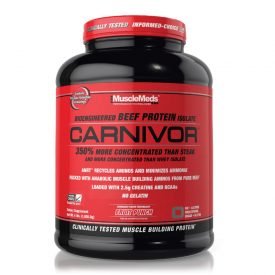
Carnivor is a 100% beef protein isolate that is fast digesting and great tasting for an effective non-dairy protein supplement.
If you’re looking for a good recovery supplement, check out MuscleMeds Carnivor.
If traditional whey protein leaves you feeling bloated or causes digestive discomfort, it may be time to make the switch to Carnivor Beef Protein Isolate. Delivering 23 grams of 99% pure beef protein isolate per serving, Carnivor is a fast-digesting, lactose-free and sugar-free alternative designed to support lean muscle growth and strength without the fat or cholesterol found in beef. Backed by clinical research, Carnivor has been shown to support significant gains in muscle and strength while providing a rich amino acid profile. For athletes and fitness enthusiasts looking for a high-quality protein source that’s easy on the stomach, Carnivor offers a compelling alternative to traditional whey protein.
The Bottom Line
Learning how to recover faster isn’t about finding a miracle supplement or expensive recovery gadget. The most effective recovery strategies are often the simplest: getting enough sleep, eating sufficient protein and carbohydrates, staying hydrated, managing stress, and giving your body the time it needs to repair itself.
Athletes who prioritize recovery consistently perform better, build more muscle, and reduce their risk of injury over the long term. Think of recovery as an investment in every future workout. The better you recover today, the stronger you’ll be tomorrow.
By making recovery a cornerstone of your training plan, you’ll not only feel better between workouts but also unlock greater progress in strength, muscle growth, and overall athletic performance.
Be sure to follow Generation Iron on Facebook and Twitter.
References
- American College of Sports Medicine. ACSM’s Guidelines for Exercise Testing and Prescription. 11th Edition. Wolters Kluwer, 2021.
- American College of Sports Medicine. “Exercise and Physical Activity for Older Adults.” Medicine & Science in Sports & Exercise. 2009;41(7):1510–1530.
- International Society of Sports Nutrition (ISSN). Jäger R, et al. “International Society of Sports Nutrition Position Stand: Protein and Exercise.” Journal of the International Society of Sports Nutrition. 2017;14:20.
- International Society of Sports Nutrition (ISSN). Kreider RB, et al. “ISSN Position Stand: Safety and Efficacy of Creatine Supplementation in Exercise, Sport, and Medicine.” Journal of the International Society of Sports Nutrition. 2022;19(1):244-303.