Are You Eating Too Much Protein?
Protein has taken over the fitness world. From grocery store labels to social media meal plans, everything seems to revolve around hitting higher and higher protein numbers. But with so much emphasis on it, many people are starting to ask a valid question: is high protein actually necessary, or has it become overrated?
The answer isn’t black and white. Protein is essential for performance and physique development—but more isn’t always better. When you look at the science, the real answer comes down to understanding how much you actually need and how to use it effectively.
Our team at Generation Iron is going to break it down.
Why Protein Is So Important
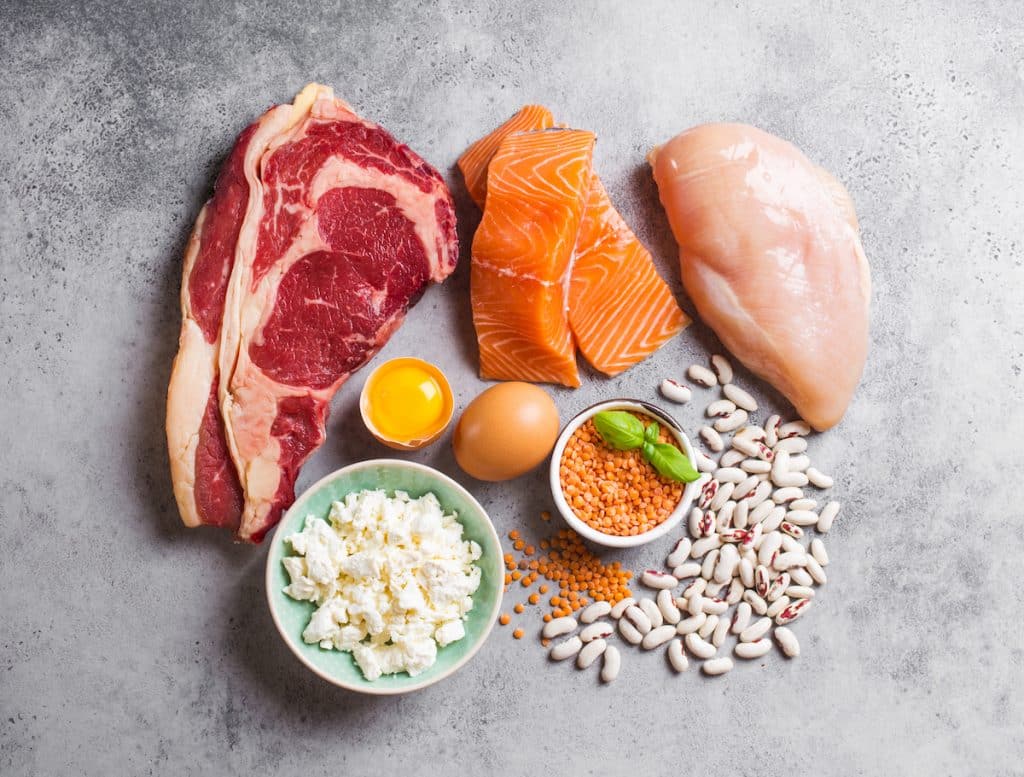
Protein plays a direct role in building and maintaining muscle mass. When you train—especially with resistance exercises—you create microscopic damage in your muscle fibers. Your body repairs that damage using amino acids from protein, making the muscle stronger and more resilient over time.
This process, known as muscle protein synthesis, is the foundation of muscle growth.
Consistently hitting adequate protein intake has been shown to:
- Improve muscle growth
- Speed up recovery
- Preserve lean mass during fat loss
- Support strength and performance
So while protein itself isn’t overrated, the way it’s often consumed and marketed can be.
The Real Protein Requirements for Results
The biggest misconception in fitness is that you need extreme amounts of protein to see progress.
The baseline recommendation for general health is around 0.8 grams per kilogram of body weight, but that’s far too low for active individuals.
For those training consistently, research supports:
- 0.7 to 1 gram of protein per pound of body weight
This range is enough to maximize muscle growth, recovery, and performance. Once you hit that threshold, increasing protein intake further offers little additional benefit.
When High Protein Becomes Overkill
The idea that “more is better” is where things start to fall apart.
Eating excessive amounts of protein—well beyond your body’s needs—does not continue to increase muscle growth. Instead, your body simply uses the extra protein as energy or stores it, or you just release it.
This can lead to:
- Unnecessary calorie intake
- Reduced intake of carbs and fats (which are also essential)
- Higher grocery or supplement costs with no added return
In that sense, high protein becomes overrated when it’s taken to extremes rather than used strategically.
Protein and Fat Loss: Where It Shines

One area where higher protein intake does prove extremely beneficial is during the fat loss process.
Protein helps:
- Increase satiety (you feel fuller longer)
- Boost calorie burn through digestion
- Preserve muscle while in a calorie deficit
This is why cutting diets often emphasize protein—it helps you maintain a lean, muscular look while dropping body fat.
Still, even during fat loss, there’s a ceiling. Once you’re within the optimal range, adding more protein won’t dramatically accelerate results.
Quality Matters More Than Quantity
Not all protein is created equal. The source and quality of your protein play a huge role in how effective it is.
High-quality protein sources contain all essential amino acids and are easier for the body to use. These include:
- Lean meats
- Eggs
- Dairy products
- Whey protein
Whey protein, in particular, is one of the most efficient and bioavailable protein sources, making it a staple for athletes and lifters.
Our Favorite Protein
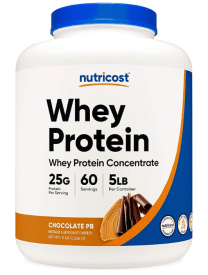
Looking for a cheap whey protein concentrate? Check out Nutricost Whey Protein Concentrate! A quality protein supplement at half the cost.
A solid option worth considering is Nutricost Whey Protein Concentrate. It delivers 25 grams of protein per serving with just 130 calories, 3 grams of carbs, and 0.5 grams of fat, making it a clean and effective way to hit your daily protein targets.
What makes it stand out is its simplicity. The formula focuses on whey protein concentrate as the primary ingredient, which retains more beneficial nutrients compared to highly processed isolates. It also avoids unnecessary artificial flavors, colors, and sweeteners, making it a good fit for those who want a more straightforward supplement.
With 69 servings per container and flavor options like chocolate, vanilla, strawberry milkshake, and even unflavored, it’s also a practical choice for everyday use. While it may not include digestive enzymes and sits slightly higher in carbs than some isolates, it offers strong value—especially for those looking for a more natural protein option.
If you’re looking to simplify your nutrition without sacrificing quality, using a product like this can help you stay consistent without overcomplicating your diet. You can also use the promo code GENIRON10 to save 10%.
Timing and Protein Distribution
Another overlooked factor is how you consume your protein throughout the day.
Instead of loading all your protein into one or two meals, spreading intake across multiple meals helps maximize muscle protein synthesis.
A good rule of thumb:
- Aim for 20–40 grams of protein per meal
- Eat 3–5 protein-rich meals per day
This keeps your body in a consistent state of repair and growth.
Do You Even Need Supplements?
Protein supplements are convenient and help hit the correct amount that you need each day—but they’re not required.
Whole foods should always be the foundation of your diet. However, supplements can make it much easier to hit your daily targets, especially if you have a busy schedule or higher protein needs.
The key is to use them as a tool, not a crutch.
Who Actually Needs High Protein?

Not everyone needs a high-protein diet. Higher protein intake is most beneficial for:
- Lifters and athletes
- Individuals trying to build muscle
- Those in a calorie deficit
- People with physically demanding lifestyles
If you’re sedentary, consuming excessive protein won’t provide the same benefits and may simply add unnecessary calories.
Final Verdict
High protein isn’t a myth—but it is often overhyped.
Protein is essential for building muscle, recovering properly, and maintaining a lean physique. But once you reach the optimal intake range, more protein doesn’t equal better results.
The real key is balance:
- Hit your daily protein needs
- Focus on quality sources
- Avoid extremes that don’t provide added value
When used correctly, protein is one of the most powerful tools in your fitness arsenal. When overused, it’s just another unnecessary excess.
Also, be sure to follow Generation Iron on Facebook and Twitter.