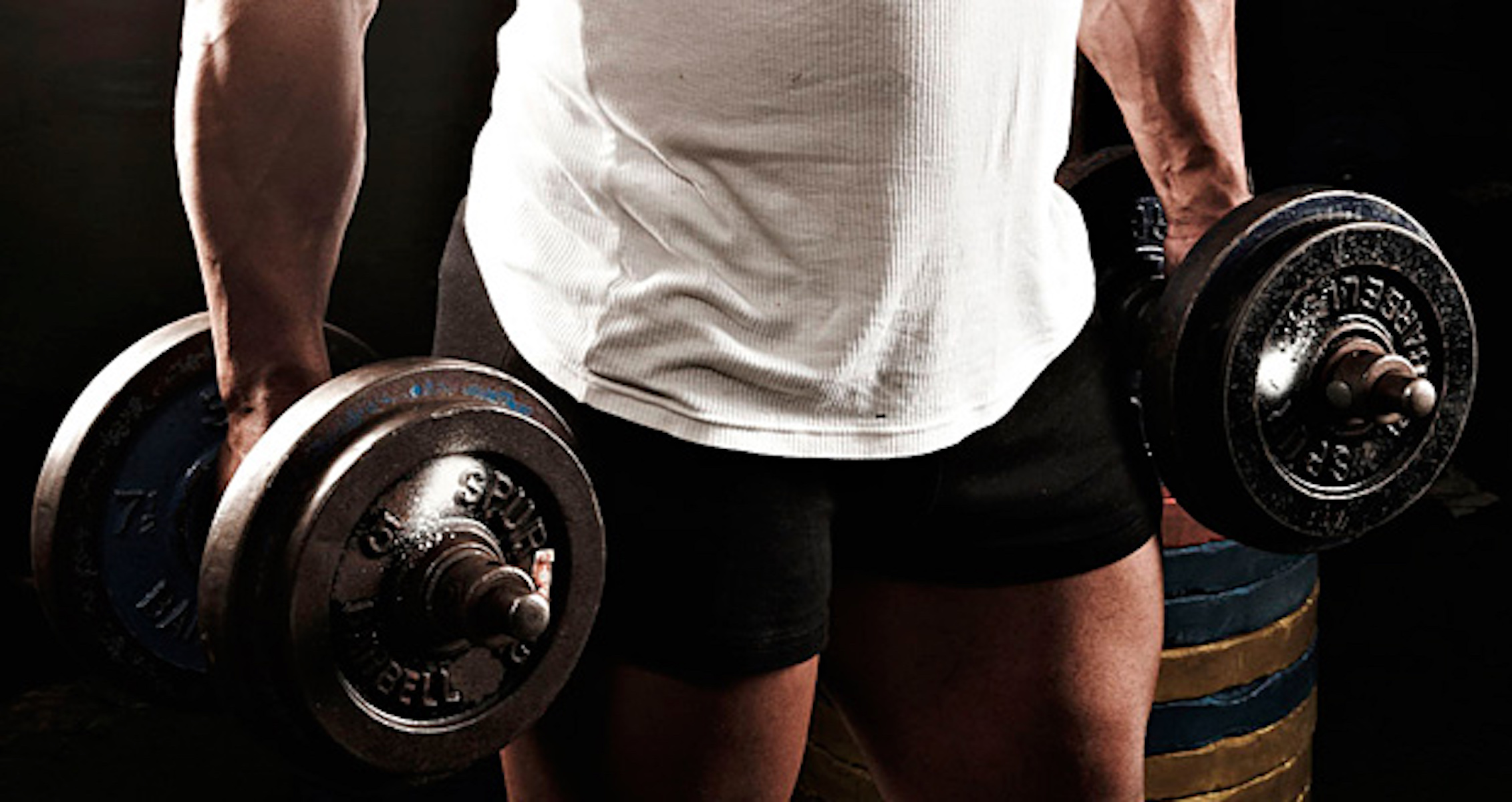
Full breakdown of Lee Haney’s profile, stats, and training routines
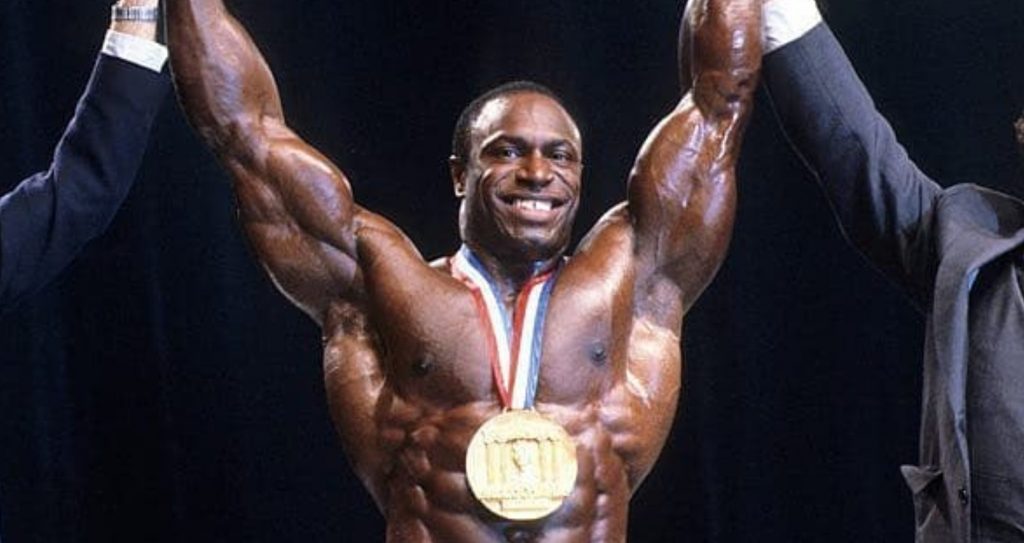
Lee Haney is one of the most accomplished and respected bodybuilders in history. Born on November 11, 1959, in Spartanburg, South Carolina, Haney’s legacy in the sport is unmatched—he is an eight-time Mr. Olympia winner, holding the record for the most Olympia titles, tied only with Ronnie Coleman. His reign from 1984 to 1991 represented a golden era of bodybuilding, defined by symmetry, proportion, and aesthetic mass rather than sheer size alone.
Haney was known not only for his incredible physique but also for his positive attitude and disciplined lifestyle. After retiring from competition, he transitioned into a role as a mentor, trainer, and advocate for healthy living, becoming a true ambassador for the sport of bodybuilding and fitness.
Our team at Generation Iron is going to break down his profile, bio, stats, and training regimens.
| Full Name: Lee Haney (Bodybuilder) | ||
| Weight | Height | Date Of Birth |
| 250-260 lbs | 5’11″ | 11/11/1959 |
| Division | Era | Nationality |
| Bodybuilding | 1980s, 1990s | American |
Lee Haney’s Career Highlights

- 8× Mr. Olympia Champion (1984–1991)
- Inducted into the IFBB Hall of Fame (1999)
- Chairman of the President’s Council on Physical Fitness and Sports (appointed by President Bill Clinton)
- Founder of the Lee Haney Games, a fitness and bodybuilding event promoting healthy competition and community engagement
Haney’s approach to bodybuilding emphasized longevity, mental focus, and spiritual balance. His motto—“Train to stimulate, not annihilate”—became a guiding principle for athletes who wanted to grow stronger without overtraining or sacrificing long-term health.
Lee Haney’s Training Philosophy
Haney’s training philosophy centers on intelligent intensity—working hard but with purpose. He believed that quality form, recovery, and nutrition were just as important as lifting heavy weights. He trained six days a week, focusing on two muscle groups per day, with Sundays reserved for rest and recovery.
Rather than chasing maximum weight, Haney focused on muscle stimulation, using controlled movements and moderate rep ranges (8–12 reps per set). This approach built muscle mass while maintaining symmetry and joint health.
Lee Haney’s Classic Training Routine
Below is a sample of Lee Haney’s classic training split, which he followed during his Olympia years:
Day 1: Chest & Arms
- Bench Press: 4 sets of 8–10 reps
- Incline Dumbbell Press: 4 sets of 8–10 reps
- Cable Crossovers: 3 sets of 10–12 reps
- Barbell Curls: 4 sets of 8–10 reps
- Triceps Pushdowns: 4 sets of 10 reps
- Dumbbell Concentration Curls: 3 sets of 12 reps
- Close-Grip Bench Press: 3 sets of 10 reps
Day 2: Legs
- Squats: 4 sets of 8–10 reps
- Leg Press: 4 sets of 10 reps
- Leg Extensions: 3 sets of 12 reps
- Leg Curls: 3 sets of 12 reps
- Standing Calf Raises: 4 sets of 15 reps
Day 3: Back & Shoulders
- Wide-Grip Pull-Ups: 4 sets to failure
- Barbell Rows: 4 sets of 8–10 reps
- Deadlifts: 3 sets of 8 reps
- Seated Military Press: 4 sets of 8–10 reps
- Lateral Raises: 4 sets of 12 reps
- Rear Delt Flyes: 3 sets of 12 reps
Day 4: Repeat Cycle
Haney’s workouts were structured to maximize recovery while maintaining high training volume. He typically performed morning cardio sessions on an empty stomach and followed a nutrient-dense diet rich in lean proteins, complex carbohydrates, and essential fats.
Nutrition and Recovery
Haney understood that bodybuilding was more than just lifting—it was a full-time lifestyle. His diet emphasized whole foods, hydration, and balance. His typical meal plan included:
- Proteins: Chicken, fish, lean beef, eggs
- Carbohydrates: Oats, rice, sweet potatoes, whole grains
- Fats: Olive oil, nuts, avocados
- Supplements: Multivitamins, amino acids, and protein powder
He also prioritized adequate sleep and active recovery, using stretching, massage, and light cardio to keep his body performing at its best.
Legacy and Influence

Lee Haney’s impact on the fitness world extends far beyond his competitive years. He paved the way for generations of athletes who sought balance between muscle, health, and longevity. Today, Haney continues to inspire others through his training programs, motivational speaking, and mentorship, encouraging fitness enthusiasts to pursue excellence responsibly.
His influence can be felt in modern bodybuilding, where more athletes are emphasizing aesthetic development, mental focus, and overall wellness—values Haney championed decades ago.
Conclusion
Lee Haney stands as one of bodybuilding’s greatest icons—a man whose achievements were built on dedication, discipline, and wisdom. His training methods remain relevant for athletes today, proving that consistency, recovery, and smart intensity are timeless principles for building muscle and living strong.
Whether you’re an aspiring competitor or simply passionate about fitness, Haney’s approach serves as a blueprint for sustainable success in bodybuilding and beyond.
Let us know what you think in the comments below. Also, be sure to follow Generation Iron on Facebook, Twitter, and Instagram.