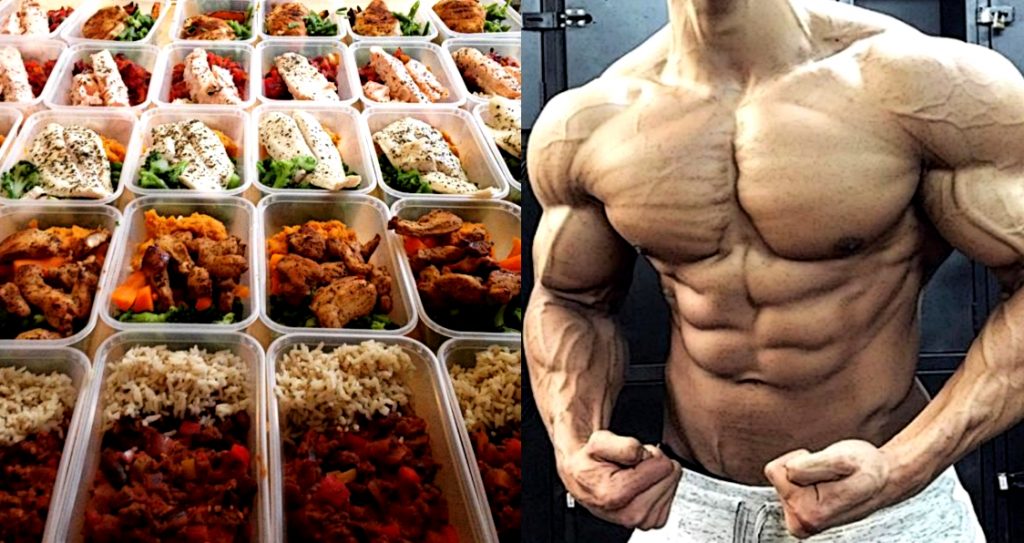
Here is plan for meal planning if you are a hardgainer.
If you call yourself a “hardgainer,” here’s the truth: if your bodyweight isn’t going up, you’re not eating enough consistently.
Imagine if people who struggle with weight loss called themselves “hardlosers.” You’d tell them the issue isn’t a mysterious condition—it’s that their intake is higher than they think. Same logic here.
This isn’t about genetics. It’s math and consistency.
- Put more money in your bank account than you take out → it grows.
- Put more calories into your body than you burn → your bodyweight goes up.
So if you’ve been “trying to eat more” for years and nothing changes, it’s time to get structured. You don’t want another year of spinning your wheels at 130 lbs. Here’s exactly how to meal plan so the scale finally moves without depending on your genetics.
Step 1: Calculate Your Calorie Surplus (the real hardgainer fix)
You don’t have to track calories forever, but you do need a target—especially if you want to gain at a healthy rate (muscle + some fat, not unnecessary fat).
A simple daily calorie target
Take your bodyweight and multiply by 15–20.
- Less active → closer to 15
- Very active / “I swear I eat a lot” → closer to 20
Example: 135-lb active lifter
135 × 20 = 2700 calories/day
Use a flexible range: 2600–2800.
If your weight doesn’t go up.
If the scale isn’t trending up after 2 weeks, add +200 calories/day.
Goal: steady gain, not a dirty bulk explosion. A surplus of roughly 250–500 calories/day is plenty for most.
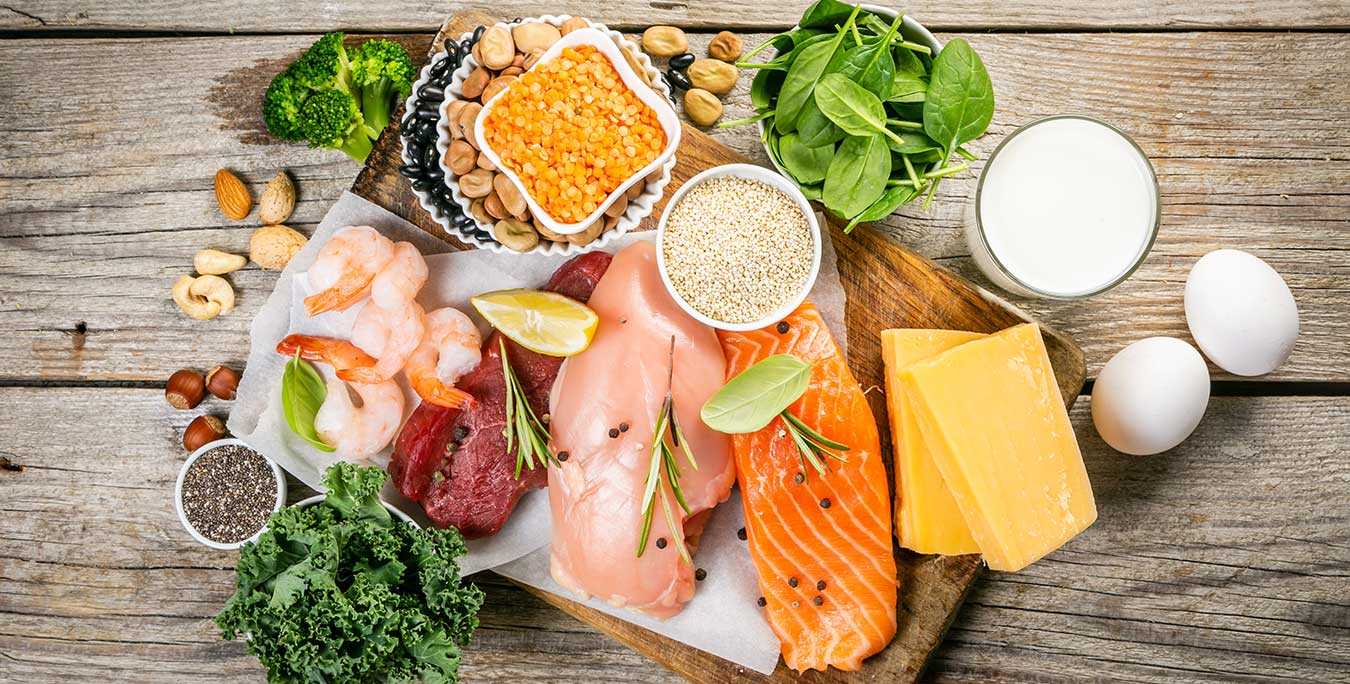
Step 2: Set Your Protein Target (muscle growth driver)
Protein is by far the most important nutrient for building muscle mass. It literally turns on the signal to construct muscle while providing the building blocks needed to construct said muscle.
A safe, effective range is:
0.8–1.0g protein per pound of bodyweight/day
For most hardgainers, I like 0.8g/lb as a minimum because:
- It’s enough for great growth
- It’s less filling (and often cheaper) than pushing protein too high
Pro tip: If protein kills your appetite, use more liquid protein (shakes) instead of forcing huge amounts of meat. You need enough to repair damage, maintain good health, and optimize hormones as well. Research finds this to be around 0.8-1 gram per pound of bodyweight as a safe range for all related benefits.
But this brings me to my next point which is how to specifically construct your meals.
Step 3: How Many Meals Per Day for Hardgainers?
Research finds 3-4 meals per day can maximize the muscle building response assuming each meal has a decent dose of protein. This is what I generally recommend for hardgainers anyways.
Best practice:
- 3–4 meals/day
- Add a post-workout shake/snack if appetite is weak
So if you’re skipping meals or practicing low meal frequency approaches like intermittent fasting, you’re not optimizing your eating structure to pack on mass.
Step 4: Divide Your Calories + Protein Across Meals
Your priorities are simple:
- Calories drive weight gain
- Protein drives muscle gain
Once you know your daily calorie and protein targets, divide them across your meals. It doesn’t need to be perfect, just consistent
So for example, somebody aiming to eat 3000 calories per day would have something similar to the following hard gainer meal plan:
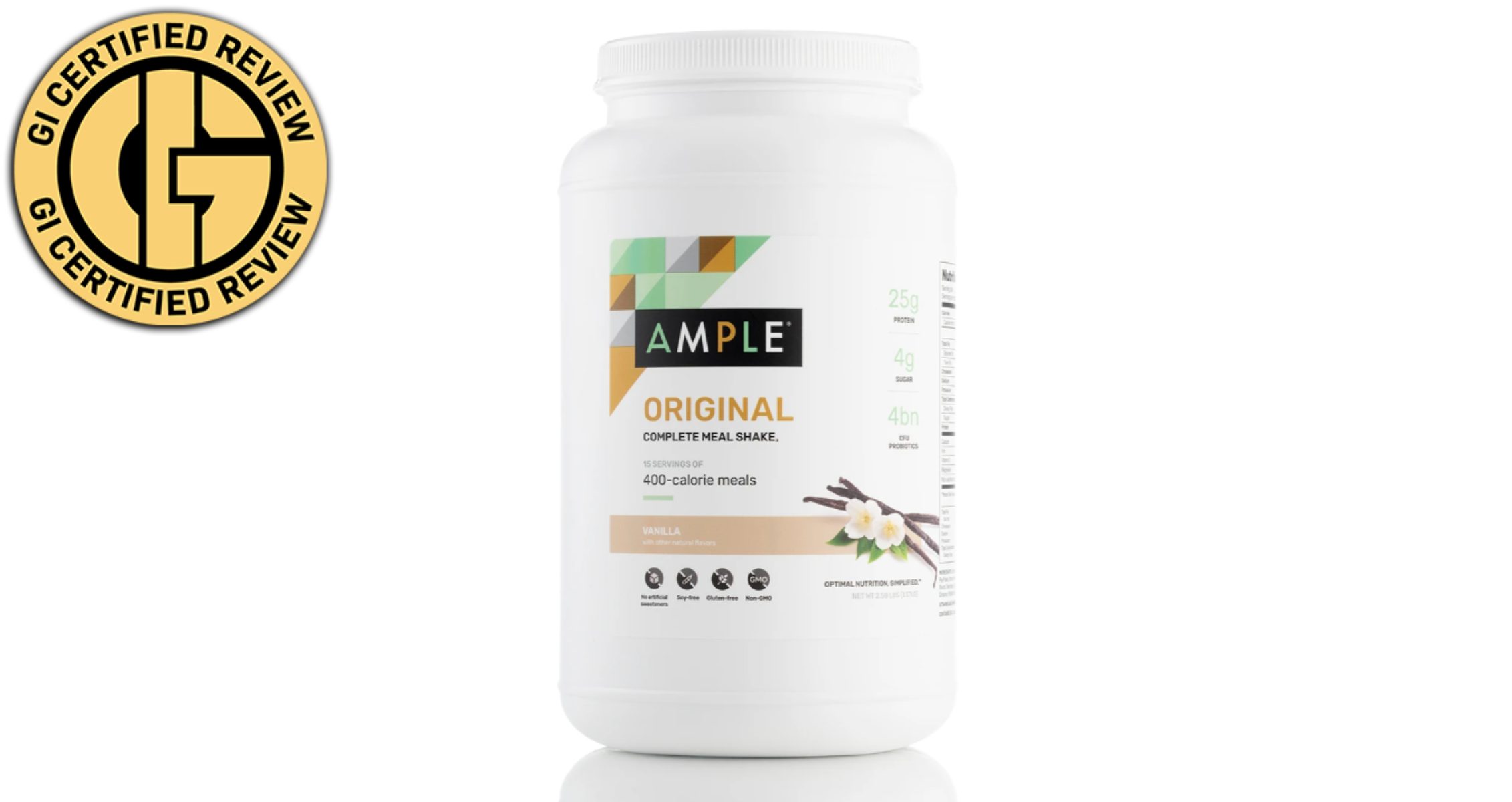
- Breakfast: 100 grams oatmeal, 1 serving of protein powder, a spoon of honey, mixed berries. (About 650 calories)
- Lunch: 2 boneless skinless chicken thighs, 2 cups of cooked rice, spinach, bbq sauce, cooking oil. (about 900 calories)
- Post workout: 1 serving of protein powder (about 150 calories)
- Dinner: 5 scrambled eggs w/ veggies and olive oil, a banana, and half a pint of ice cream (about 1200 calories)
The above is just an example. You don’t have to copy that and it doesn’t have to be perfectly tracked, but it does need to be consistent and intentional.
That being said, here’s how you adjust your meal plan in case your appetite is weak.
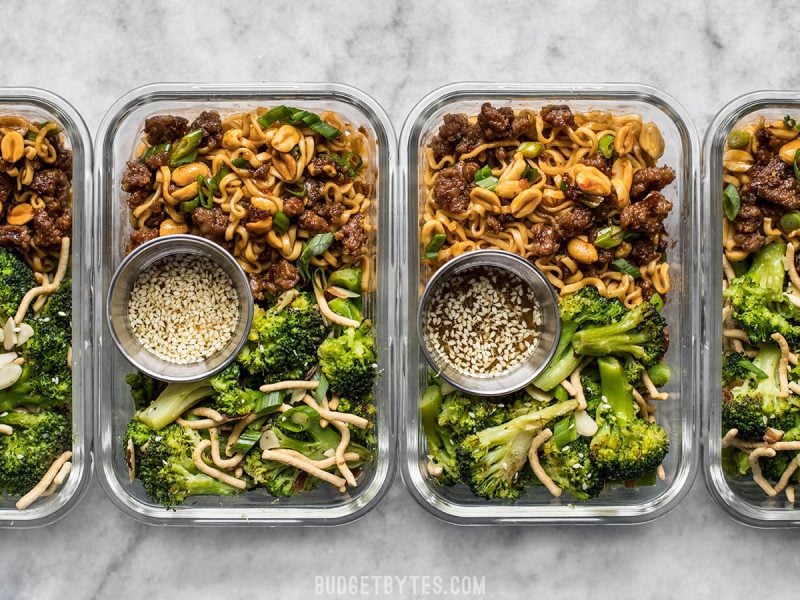
Step 5: What to Do If You Have to Adjust Your Meal Plan For Hardgainers
Hardgainers usually fail for one reason: inconsistency.
They’ll remember the one day they crushed food and assume that’s normal. But gaining weight comes from what you do every day, not your highlight reel.
Option A: Push through for 1–2 weeks
Appetite adapts. If you stay consistent, eating more gets easier.
Option B: Swap to lower-volume, higher-calorie foods
If you’re getting too full, stop trying to eat like a “clean bulker” 24/7. Replace super filling foods with easier calories:
Best hardgainer upgrades:
- Liquid calories: milk, smoothies, juice, shakes
- Add fats: olive oil, peanut butter, nuts
- Choose easier carbs: rice, bagels, pasta, granola
- Don’t fear calorie-dense foods: ice cream, cereal, sauces (in moderation)
Rule: You should have a nutritious base (micronutrients matter), but once that base is covered, the priority is total calories.
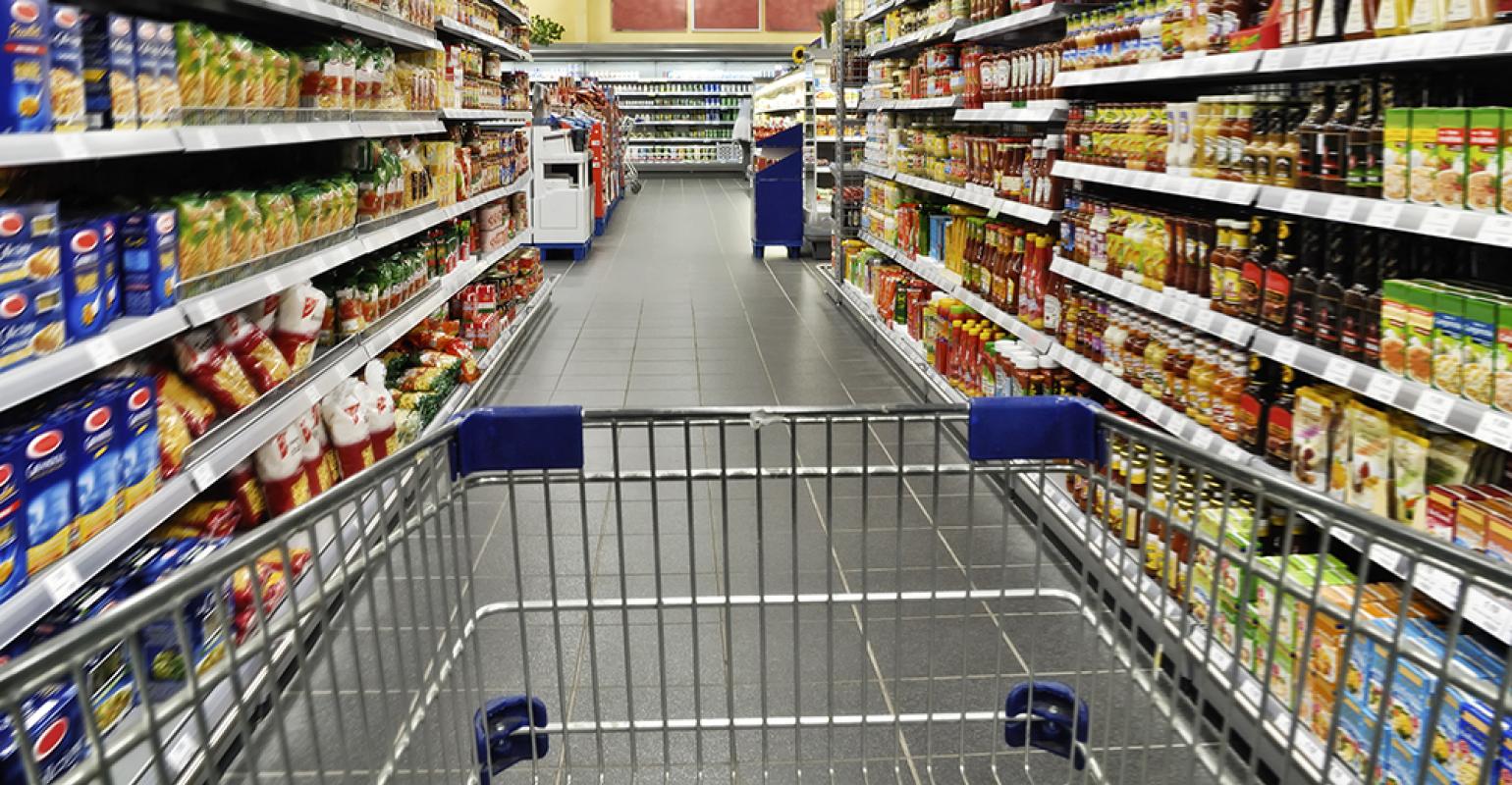
Step 6: Get Consistent With Meal Prep (the #1 solution)
Most hardgainers don’t need a new “metabolism hack.” They need structure.
Weekly system:
- Plan the week’s meals (simple repeats)
- Grocery shop for exactly what you need
- Prep staples in bulk (rice, meat, potatoes, pasta)
- Set meal times so you don’t “forget” calories
If you do this and increase calories when you plateau, the scale has to move.
Hardgainer Meal Planning FAQ
Are hardgainers real?
Most “hardgainers” simply underestimate intake and overestimate consistency. If weight isn’t increasing, your calories aren’t high enough—day after day.
How fast should I gain weight when bulking?
A steady rate is best. If you gain too fast, you’ll add unnecessary fat. If you’re not gaining after 2 weeks, add 200 calories/day.
Should skinny guys do intermittent fasting?
Usually not. Lower meal frequency makes it harder to reach calories. Hardgainers generally do better with 3–4 meals/day plus a shake.
What are the easiest foods to gain weight?
Milk, smoothies, shakes, peanut butter, olive oil, rice, pasta, bagels, granola, trail mix, and calorie-dense snacks.
Let us know what you think in the comments below. Also, be sure to follow Generation Iron on Facebook, Twitter, and Instagram.