The Smarter Summer Performance Strategy
When most athletes think about improving summer performance, they usually focus on training harder, eating more protein, or adding another performance supplement. But one of the most overlooked factors in strength, endurance, recovery, and mental focus is hydration.
For bodybuilders, strength athletes, and anyone training hard in hot weather, hydration is not just about drinking more water. Sweat loss can reduce fluid volume, deplete electrolytes, and make it harder for the body to maintain performance as temperatures rise. That means water alone may not always be enough — especially during long, intense, or high-sweat training sessions.
Electrolytes such as sodium, potassium, chloride, magnesium, calcium, and phosphorus help regulate fluid balance, muscle contractions, nerve signaling, and temperature control. Creatine, best known for supporting strength and power, may also play a role in cellular hydration by helping muscle cells retain water.
At Generation Iron, we look at hydration through the lens of real performance: how hard you can train, how well you recover, and how consistently you can show up when summer heat starts working against you. Here’s why electrolytes and creatine may be one of the smartest combinations for athletes looking to stay strong, hydrated, and ready to perform.
Why Hydration Matters More During Summer
The human body is approximately 60% water, and every physiological process depends on proper fluid balance. During exercise, especially in hot and humid conditions, sweat production increases dramatically to regulate body temperature.
The problem is that sweat doesn’t just remove water—it also depletes critical electrolytes including:
- Sodium
- Potassium
- Chloride
- Magnesium
- Calcium
- Phosphorus
When these minerals are lost and not replaced, athletes may experience:
- Reduced endurance
- Muscle cramps
- Increased fatigue
- Decreased strength output
- Poor recovery
- Reduced mental focus
- Higher risk of heat-related illness
Many people assume that drinking more water solves the problem. However, excessive water intake without electrolyte replacement can actually dilute electrolyte concentrations and worsen performance.
That’s why serious athletes focus on hydration strategies that replace both fluids and electrolytes.
What Are Electrolytes and How Do They Work?
Electrolytes are minerals that carry electrical charges throughout the body. They are responsible for regulating numerous functions that directly impact athletic performance.
These include:
- Fluid balance
- Muscle contractions
- Nerve signaling
- Blood pressure regulation
- Energy production
- Temperature control
Sodium is particularly important because it helps the body retain fluids and maintain blood volume during exercise. Potassium supports muscle contractions and nerve communication, while magnesium contributes to muscle relaxation and energy metabolism.
Without adequate electrolyte intake, water cannot be transported efficiently into cells where it is needed most.
This is why elite athletes don’t simply drink water during long training sessions—they focus on replenishing electrolytes to maximize hydration efficiency.
The Hidden Connection Between Creatine and Hydration
Most people know creatine as one of the most effective supplements for increasing strength, power, and muscle mass. However, while many people believe that it makes you dehydrated, its hydration benefits are often overlooked.
Creatine functions as an osmolyte, meaning it helps draw water into muscle cells. This process supports cellular hydration and can improve the body’s ability to maintain fluid balance during exercise.
Research has shown that creatine supplementation may help:
- Increase intracellular water retention
- Improve hydration status
- Enhance exercise performance in hot environments
- Reduce sweat rate during exercise
- Support thermoregulation
- Improve recovery following intense training
When muscle cells are properly hydrated, they function more efficiently. This can translate into better strength output, improved endurance, and faster recovery between training sessions.
In other words, creatine doesn’t just help build muscle—it may also help athletes stay hydrated more effectively.
Why Electrolytes and Creatine Work Better Together
One of the most exciting developments in sports nutrition is the growing understanding of how electrolytes and creatine complement each other.
Electrolytes help regulate fluid movement throughout the body, while creatine enhances water retention inside muscle cells. Together, they create a powerful hydration system that supports performance on multiple levels.
Think of electrolytes as helping transport water into the body, while creatine helps keep that water where it can be most beneficial.
This synergy becomes especially valuable during summer training when athletes face:
- Increased sweat losses
- Greater electrolyte depletion
- Higher core temperatures
- Elevated risk of dehydration
Combining electrolytes with creatine may help athletes maintain hydration status more effectively than relying on either strategy alone.
The Importance of Osmotic Transport
Another important factor in hydration is osmotic transport. Osmosis refers to the movement of water across cell membranes. Proper hydration products are designed to enhance this process, helping water and electrolytes move efficiently throughout the body.
Many sports drinks rely heavily on sugar to facilitate fluid absorption. While some carbohydrates can improve hydration, excessive sugar may slow gastric emptying and contribute unnecessary calories.
Modern hydration formulas often use lower sugar levels while optimizing electrolyte concentrations and osmotic balance.
This approach can support rapid hydration without the drawbacks associated with high-sugar beverages.
Summer Athletes Need More Than Water
Whether you’re a bodybuilder, powerlifter, football player, runner, cyclist, wrestler, or weekend warrior, summer training places additional demands on your body.
Performance declines can occur long before you feel thirsty.
Research suggests that even mild dehydration can negatively impact:
- Strength
- Power production
- Endurance
- Reaction time
- Decision-making
- Recovery
For athletes training multiple times per week, hydration should be viewed as a performance tool rather than simply a necessity.
The goal isn’t just replacing lost fluids—it’s optimizing fluid balance, cellular hydration, and electrolyte status.
A Smarter Hydration Solution for Athletes Training

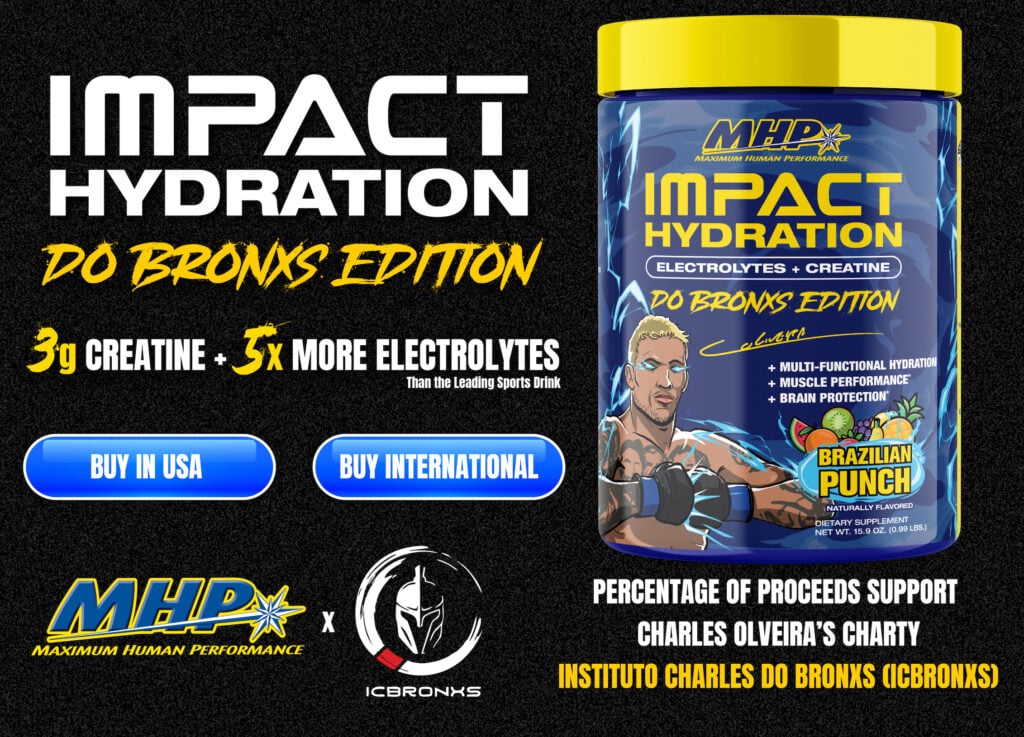
Step into the octagon with the new leader in sports hydration. In collaboration with UFC LEGEND Charles Oliveira, MHP is introducing an exclusive Impact Hydration Do Bronxs Edition in delicious Brazilian Punch.
For athletes looking to improve hydration and performance during the summer months, products that combine electrolytes and creatine offer a unique advantage.
One example is MHP Impact Hydration, a next-generation athlete’s sports drink designed specifically to support hydration, performance, and recovery.
Unlike many traditional sports drinks, MHP Impact Hydration contains:
- 3,200 mg of electrolytes and trace minerals
- 3,000 mg of creatine monohydrate
- Coconut water
- Only 4 grams of cane sugar
- No artificial sweeteners
- No artificial colors
- No artificial flavors
The formula provides significantly more electrolytes than many conventional sports drinks, including sodium, chloride, potassium, magnesium, calcium, and phosphorus.
What makes the formula particularly interesting is the inclusion of creatine monohydrate. In addition to its well-known strength and performance benefits, creatine may improve cellular hydration and support the transport and absorption of water and electrolytes.
This combination allows athletes to address multiple aspects of performance simultaneously:
- Hydration
- Strength
- Recovery
- Heat management
- Muscle function
Emerging research has also investigated creatine’s potential role in supporting brain health and reducing the effects of traumatic brain injuries, making it an appealing supplement for athletes involved in contact sports.
Generation Iron Expert Takeaway
For serious athletes, hydration should be treated as part of the performance plan — not an afterthought. Water is essential, but during summer training, the real goal is maintaining fluid balance, electrolyte status, and cellular hydration.
That is especially important for bodybuilders and strength athletes who train with high volume, heavy loads, and repeated bouts of intense effort. Even mild dehydration can make workouts feel harder, reduce power output, impair focus, and slow recovery.
A smart summer hydration strategy should include:
- Consistent fluid intake throughout the day
- Electrolyte replacement during high-sweat training
- Adequate sodium intake for athletes who sweat heavily
- Creatine monohydrate for strength, power, and potential cellular hydration support
- Avoiding excessive sugar when the goal is clean hydration
The biggest mistake athletes make is waiting until they are thirsty. By then, performance may already be declining. The better approach is to hydrate before, during, and after training with a plan that matches your workout intensity, sweat rate, and environment.
FAQ
Is water enough for summer workouts?
For short or low-intensity exercise, water may be enough. For intense training, long sessions, or hot and humid conditions, athletes may benefit from electrolytes to replace minerals lost through sweat.
Does creatine dehydrate you?
Current research does not support the idea that creatine causes dehydration in healthy athletes. Creatine may increase intracellular water retention, which is one reason some users notice weight gain.
Should bodybuilders use electrolytes?
Yes, especially during high-volume training, summer workouts, contest prep, or periods of heavy sweating. Electrolytes help support fluid balance, muscle contractions, and performance.
Can you take creatine and electrolytes together?
Yes. Creatine and electrolytes can be used together as part of a hydration and performance strategy, especially for athletes training in hot conditions.
What is the most important electrolyte for athletes?
Sodium is often the most important electrolyte during heavy sweating because it helps maintain fluid balance and blood volume during exercise.
Final Thoughts
Hydration is often the missing piece in summer athletic performance. While training programs, nutrition plans, and supplementation strategies receive most of the attention, none of them can overcome the negative effects of dehydration.
Electrolytes help maintain fluid balance, support muscle contractions, and optimize performance. Creatine enhances cellular hydration while providing well-established benefits for strength and recovery.
When combined, these two performance-enhancing nutrients create a powerful hydration strategy that can help athletes perform at their best when temperatures rise.
If you’re looking to maximize hydration, support recovery, and maintain performance throughout the summer, focusing on both electrolytes and creatine may be one of the smartest adjustments you can make to your training plan.
Let us know what you think in the comments below. Also, be sure to follow Generation Iron on Facebook, Twitter, and Instagram.