How Chronic Stress Can Affect Your Hormones
Stress is an unavoidable part of life. Whether it’s work deadlines, financial pressures, family responsibilities, or intense training, everyone experiences stress from time to time. While short-term stress is a normal physiological response, chronic stress can have a significant impact on your hormones—including testosterone.
If you’ve noticed lower energy levels, slower recovery, decreased motivation in the gym, or a reduced sex drive during particularly stressful periods, your hormones may be playing a role.
Our team at Generation Iron is breaking down what the science says about the relationship between stress and testosterone, along with practical strategies to help support healthy hormone levels.
The Connection Between Stress and Testosterone

When you’re under stress, your body releases several hormones, the most well-known being cortisol.
Cortisol is produced by the adrenal glands and serves an important purpose. It helps your body respond to physical and emotional stress by increasing blood sugar, improving alertness, and mobilizing energy stores.
In the short term, this response is beneficial. The problem arises when cortisol remains elevated for weeks or months.
Research suggests that chronically high cortisol levels can interfere with testosterone production by disrupting the body’s normal hormonal signaling through the hypothalamic-pituitary-gonadal (HPG) axis. Elevated cortisol may also reduce the release of hormones that stimulate testosterone production in the testes.
In simple terms, long-term stress can make it more difficult for your body to produce and maintain healthy testosterone levels.
Why Testosterone Matters
Testosterone plays a vital role in many aspects of men’s health, including:
- Muscle growth
- Strength development
- Exercise recovery
- Libido
- Energy levels
- Mood
- Bone density
- Cognitive function
- Red blood cell production
While testosterone naturally declines with age, lifestyle factors—including chronic stress—can influence hormone levels at any stage of adulthood.
Signs Chronic Stress May Be Affecting Your Testosterone

Although these symptoms can have many causes, chronically elevated stress combined with lower testosterone may contribute to:
- Low energy
- Reduced motivation
- Difficulty building muscle
- Slower workout recovery
- Decreased strength
- Lower libido
- Mood changes
- Poor concentration
- Increased body fat, especially around the abdomen
- Poor sleep quality
If symptoms are severe or persistent, it’s important to consult a healthcare professional rather than self-diagnose.
Stress Can Hurt Your Gym Performance
The effects of stress extend well beyond hormone levels.
When you’re under chronic stress, you may experience:
Reduced Recovery
Recovery is when muscles repair and grow.
High stress can impair recovery by affecting sleep quality, increasing inflammation, and making it more difficult to train consistently.
Decreased Training Performance
Stress often leads to:
- Lower workout intensity
- Reduced motivation
- Poor focus
- Earlier fatigue
Over time, this can slow progress in both strength and muscle growth.
Increased Muscle Breakdown
Cortisol has catabolic effects, meaning prolonged elevations can increase muscle protein breakdown if recovery and nutrition aren’t adequate.
While this doesn’t mean stress automatically causes muscle loss, consistently high cortisol combined with insufficient recovery can make building muscle more challenging.
The Role of Sleep

Sleep is one of the biggest links between stress and testosterone.
During deep sleep, your body produces much of its daily testosterone. Chronic stress often leads to:
- Trouble falling asleep
- Frequent nighttime awakenings
- Reduced sleep quality
- Shorter sleep duration
Research has shown that even one week of significant sleep restriction can reduce testosterone levels in healthy young men.
Improving sleep is one of the most effective ways to support both stress management and hormone health.
Does Exercise Help?
Yes—but moderation matters. Regular resistance training and cardiovascular exercise can help reduce stress, improve mood, and support overall hormonal health.
However, excessive training without adequate recovery may increase physiological stress.
Aim for a balanced routine that includes:
- Resistance training
- Moderate cardio
- Rest days
- Mobility work
- Adequate nutrition
Nutrition and Stress
Your diet can also influence how your body responds to stress.
To support healthy testosterone production:
- Eat enough total calories.
- Consume 1.6–2.2 grams of protein per kilogram of body weight each day.
- Include healthy fats from foods like eggs, salmon, olive oil, nuts, and avocados.
- Eat plenty of fruits and vegetables for essential vitamins and minerals.
- Stay hydrated throughout the day.
Highly restrictive diets or prolonged calorie deficits may increase physiological stress and make hormone optimization more difficult.
Practical Ways to Reduce Stress
Managing stress doesn’t require eliminating it completely—something that’s rarely possible. Instead, focus on building habits that improve resilience.
Some effective strategies include:
- Prioritize 7–9 hours of sleep each night.
- Exercise regularly without overtraining.
- Spend time outdoors.
- Practice meditation or deep breathing.
- Stay socially connected with friends and family.
- Limit excessive alcohol intake.
- Maintain a balanced, nutrient-dense diet.
- Schedule time for hobbies and relaxation.
- Take regular breaks from work and digital devices.
Even small improvements in daily stress management can positively affect overall health.
Can Testosterone Boosters Help?
Lifestyle changes should always be the foundation of healthy testosterone support. However, some individuals choose to add a testosterone support supplement to complement consistent training, quality nutrition, and adequate recovery.
One option worth considering is MUTANT TEST.
Why Choose MUTANT TEST?
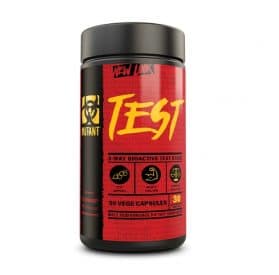
Higher testosterone levels make it easier for you to gain muscle mass, lose fat, feel energetic and have a healthy libido, and as you get older your levels will drop. MUTANT TEST is here to help.
MUTANT TEST features a comprehensive formula with 18 ingredients designed to support healthy testosterone levels. Its standout ingredient is Testosurge®, a clinically studied ingredient formulated to help support active (free) testosterone—the form your body can actually use for muscle-building and performance.
Other highlights include:
- 18-ingredient formula
- 30 servings per container
- Easy once-daily dosing (3 capsules with a morning meal)
- Supports active testosterone rather than focusing solely on total testosterone
- Priced at approximately $39.99, offering strong value for a comprehensive testosterone support supplement
While no supplement can eliminate the effects of chronic stress, a well-formulated testosterone support product like MUTANT TEST may complement a healthy lifestyle focused on sleep, nutrition, stress management, and consistent training.
The Bottom Line
Stress is a normal part of life, but chronic stress can negatively affect testosterone production, primarily through prolonged elevations in cortisol and disruptions to normal hormone signaling.
The good news is that many of the same habits that improve overall health—quality sleep, regular exercise, proper nutrition, and effective stress management—also help support healthy testosterone levels.
If you’re serious about maximizing performance in and out of the gym, focus first on controlling the factors you can. Pair those healthy habits with a high-quality testosterone support supplement like MUTANT TEST, and you’ll give your body the best opportunity to maintain optimal hormone health over the long term.
Let us know what you think in the comments below. Also, be sure to follow Generation Iron on Facebook, Twitter, and Instagram.
References
- Joseph DN, Whirledge S. Stress and the HPA Axis: Balancing Homeostasis and Fertility. International Journal of Molecular Sciences. 2017.
- Hackney AC. Stress and the Neuroendocrine System: The Role of Exercise as a Stressor and Modifier of Stress. Expert Review of Endocrinology & Metabolism. 2006.
- Leproult R, Van Cauter E. Effect of One Week of Sleep Restriction on Testosterone Levels in Healthy Young Men. JAMA. 2011.
- Kraemer WJ, Ratamess NA. Hormonal Responses and Adaptations to Resistance Exercise and Training. Sports Medicine. 2005.
- American Psychological Association. Stress Effects on the Body.
- Schoenfeld BJ. The Mechanisms of Muscle Hypertrophy and Their Application to Resistance Training. Journal of Strength and Conditioning Research. 2010.
Images courtesy of Envato