How to Perform It, Muscles Worked, and Benefits
Building a stronger, thicker back requires more than simply pulling heavy weights. You need exercises that challenge your back muscles through a full range of motion while allowing you to maintain proper form. The bent over two arm dumbbell row is an effective strength-training exercise that targets the lats, rhomboids, traps, and other muscles responsible for developing a powerful upper body.
Unlike many machine-based rowing exercises, dumbbell rows require you to stabilize your torso while controlling two independent weights. This makes the movement useful for developing back strength, improving muscular coordination, and building a more balanced physique.
Whether you’re a beginner learning the fundamentals of back training or an experienced lifter looking to add more volume to your routine, the bent over two arm dumbbell row deserves consideration.
Our team at Generation Iron is breaking it down.
What Is the Bent Over Two Arm Dumbbell Row?

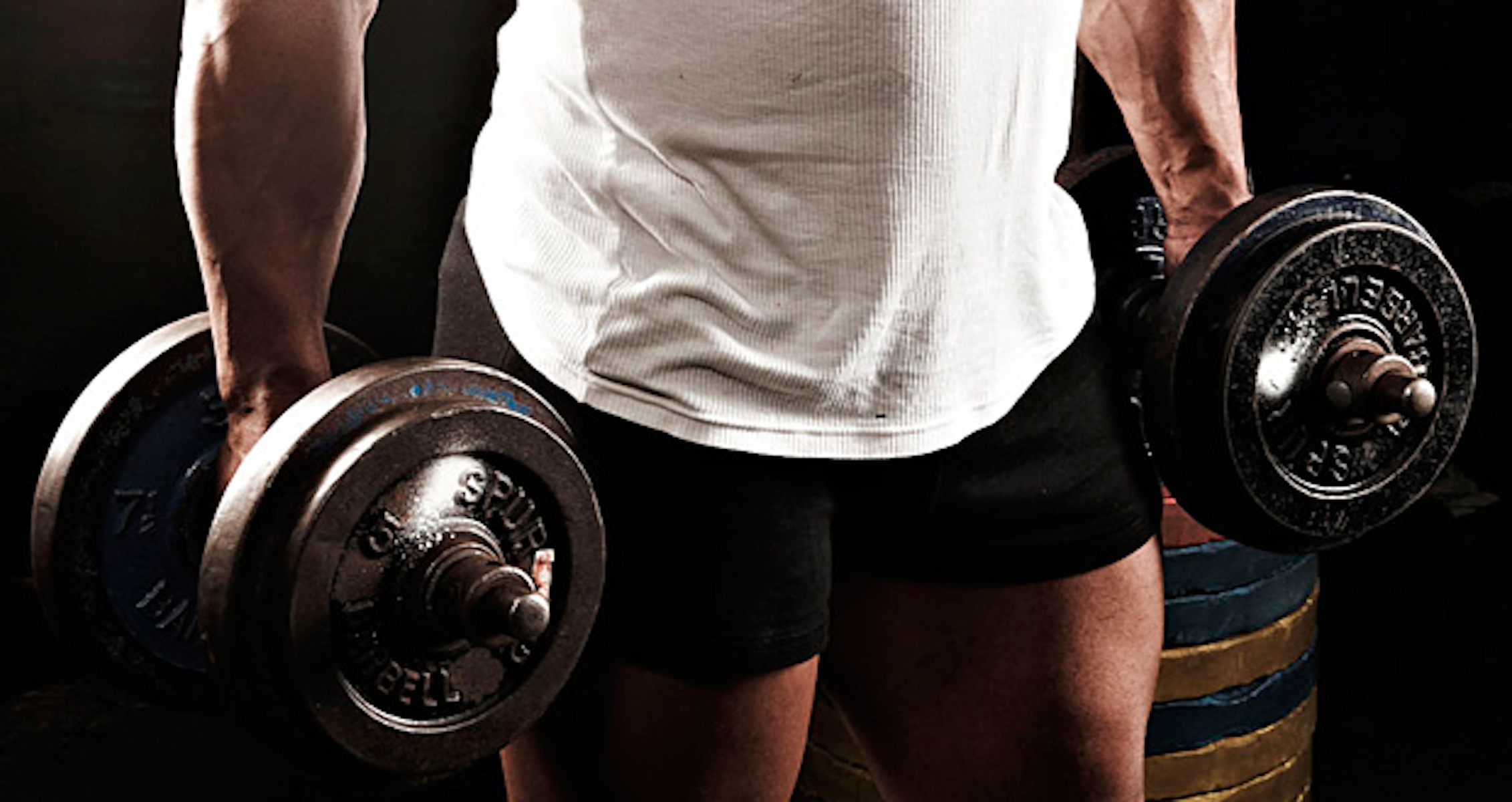
The bent over two arm dumbbell row is a compound pulling exercise performed with a dumbbell in each hand. The lifter hinges forward at the hips, maintains a stable torso, and pulls both dumbbells toward the waist before lowering them under control.
The movement primarily targets the latissimus dorsi, commonly called the lats, along with the rhomboids and trapezius muscles. It also recruits the rear deltoids, biceps, forearms, and spinal erectors to assist with the movement and stabilize the body.
Because both arms work simultaneously, this exercise allows you to train each side of your back while maintaining a consistent position throughout the set.
Muscles Worked During the Bent Over Two Arm Dumbbell Row
The bent over two arm dumbbell row is primarily an upper- and mid-back exercise, but several muscle groups contribute to the movement.
Primary Muscles Worked
- Latissimus dorsi: The large muscles running along the sides of your back help pull your upper arms toward your torso. Developing the lats contributes to a wider, more defined back.
- Rhomboids: Located between the shoulder blades, the rhomboids help retract the shoulder blades during the rowing motion.
- Trapezius: The middle and lower portions of the traps assist with controlling the shoulder blades and maintaining proper upper-back positioning.
Secondary Muscles Worked
- Rear deltoids: Help move the upper arms backward during the pulling phase.
- Biceps: Assist with elbow flexion as you bring the dumbbells toward your body.
- Brachialis and brachioradialis: These muscles contribute to elbow flexion and help support the pulling movement.
- Forearms and grip muscles: Help you maintain control of the dumbbells throughout the exercise.
- Erector spinae: Help maintain a stable, hinged torso position.
- Core muscles: Brace the midsection to help prevent unwanted movement through the spine.
The exact emphasis on individual back muscles can change depending on your grip, elbow path, torso angle, and where you pull the dumbbells.
How to Perform the Bent Over Two Arm Dumbbell Row

Proper technique is essential for getting the most out of this exercise. Using too much weight can cause you to rely on momentum, shorten your range of motion, and lose control of your torso.
Follow these steps to perform the bent over two arm dumbbell row correctly.
Step 1: Set Up Your Position
Stand with your feet approximately hip-width apart while holding a dumbbell in each hand. Keep your arms extended naturally at your sides with your palms facing each other.
Brace your core and begin pushing your hips backward as you bend forward. Maintain a slight bend in your knees and keep your back in a neutral position.
Your torso should be angled toward the floor, with your head aligned naturally with your spine.
Step 2: Establish a Stable Torso
Before beginning the first repetition, tighten your abdominal muscles and engage your back.
Keep your shoulders from rounding excessively and avoid allowing your lower back to arch or collapse. Your weight should remain balanced across your feet.
The goal is to maintain this hinged position throughout the set rather than repeatedly standing up and bending forward.
Step 3: Row the Dumbbells Toward Your Waist
Begin pulling both dumbbells toward your lower ribs or waist. Drive your elbows backward while keeping them relatively close to your body.
Focus on moving through your shoulders and elbows rather than simply curling the dumbbells with your arms.
At the top of the movement, squeeze your back muscles briefly without aggressively shrugging your shoulders or overextending your torso.
Step 4: Lower the Dumbbells Under Control
Slowly extend your arms and lower the dumbbells toward the starting position.
Allow your shoulder blades to move naturally as your arms extend, but avoid letting your shoulders collapse forward or losing your stable torso position.
Control the eccentric portion of the movement instead of allowing gravity to pull the weights down.
Step 5: Repeat for Your Desired Repetitions
Continue rowing both dumbbells through a consistent range of motion. Maintain your core brace, neutral spine, and controlled movement throughout the set.
Once you complete your target repetitions, carefully return to a standing position.
Benefits of the Bent Over Two Arm Dumbbell Row
There are several reasons to include this exercise in a well-rounded back workout.
1. Builds Back Thickness and Strength
The bent over two arm dumbbell row trains multiple muscles throughout the upper and middle back. Consistent training can help develop stronger lats, rhomboids, and traps while contributing to a thicker, more muscular back.
It also provides an effective horizontal pulling movement to complement vertical pulling exercises like pull-ups and lat pulldowns.
2. Trains Both Sides of the Back
Using two dumbbells allows each arm to work independently rather than relying on a fixed barbell or machine path.
Although both arms move at the same time, each side must control its own weight. This can help expose differences in strength, coordination, and control between sides.
3. Improves Grip Strength
Holding two dumbbells throughout a set challenges your forearms and grip muscles. As you progressively increase the weight or repetitions, your grip strength may improve alongside your back development.
4. Challenges Core Stability
Unlike chest-supported rowing variations, the bent over dumbbell row requires you to maintain a forward-hinged position without external torso support.
Your abdominal muscles and spinal erectors work isometrically to stabilize your body. This makes the exercise useful for training back strength while also challenging your ability to brace under load.
5. Offers Flexible Training Options
Dumbbells allow you to adjust your grip, elbow position, and range of motion based on your training goals and comfort.
You can also modify the weight more easily than with some barbell variations, making the exercise accessible to a wide range of strength-training experience levels.
Common Bent Over Two Arm Dumbbell Row Mistakes

Even though the movement looks relatively straightforward, several mistakes can reduce its effectiveness and make it harder to maintain proper technique.
Using Too Much Weight
One of the most common mistakes is selecting dumbbells that are too heavy to control. This often leads to excessive torso movement, shortened repetitions, and using momentum to lift the weights.
Choose a load that allows you to complete every repetition with consistent form.
Rounding the Lower Back
Allowing your lower back to round during the exercise can compromise your positioning, especially as fatigue builds.
Maintain a neutral spine, brace your core, and use a weight that allows you to hold your hip-hinge position.
Standing Too Upright
If your torso is nearly vertical, the movement may become more like an upright row than the intended bent over rowing exercise.
Establish a comfortable forward hinge before starting and maintain it throughout the set.
Shrugging the Shoulders
Excessively shrugging your shoulders toward your ears can shift the movement away from the intended rowing pattern.
Keep your neck relaxed and focus on driving your elbows backward while controlling your shoulder blades.
Using Momentum
Swinging your torso or jerking the dumbbells upward makes it harder to maintain consistent muscular tension.
Use controlled repetitions and avoid changing your body position to move heavier weights.
Cutting the Range of Motion Short
Only moving the dumbbells a few inches limits the exercise’s range of motion.
Allow your arms to extend naturally at the bottom and pull the weights toward your torso without forcing an exaggerated squeeze at the top.
Bent Over Two Arm Dumbbell Row Sets and Reps
The ideal number of sets and repetitions depends on your experience level and training goals. The following recommendations provide a starting point for incorporating the movement into your back routine.
- Muscular endurance: 2–3 sets of 12–15 repetitions.
- Muscle hypertrophy: 3–4 sets of 8–12 repetitions.
- Strength development: 3–5 sets of 5–8 repetitions using a challenging load while maintaining proper technique.
For muscle growth, prioritize controlled repetitions, a consistent range of motion, and progressive overload. You should finish most working sets with approximately one to three repetitions left in reserve rather than sacrificing technique to reach failure.
Allow enough rest between sets to recover and maintain performance. For challenging sets, approximately 90 seconds to two minutes is a reasonable starting point, with longer rest periods if needed.
Bent Over Two Arm Dumbbell Row Variations
If you want to change your back training routine, several similar exercises can provide a different stimulus.
Single Arm Dumbbell Row
The single arm dumbbell row is performed with one arm at a time, typically with the opposite hand supported on a bench. This allows you to focus on each side independently and adjust your range of motion.
Bent Over Barbell Row
The barbell row uses a barbell instead of dumbbells. It allows you to load both arms simultaneously and is a popular compound movement for building back strength and size.
Chest Supported Dumbbell Row
This variation is performed with your chest against an incline bench. The bench supports your torso, reducing the need to stabilize your body throughout the set and allowing you to focus more directly on the pulling movement.
Reverse Grip Dumbbell Row
A reverse grip dumbbell row uses an underhand grip, with your palms facing forward. This changes your arm and elbow position and can increase the contribution of the biceps, depending on your technique.
Incline Bench Dumbbell Row
The incline bench dumbbell row is performed while lying chest-down on an incline bench. Like the chest-supported variation, it minimizes torso movement and helps isolate the rowing action.
How to Add the Bent Over Two Arm Dumbbell Row to Your Workout
The bent over two arm dumbbell row works well as part of a dedicated back workout or a broader upper-body training session.
For example, you could pair it with vertical pulling exercises, another rowing variation, and accessory movements that target the rear deltoids and traps.
Example Back Workout:
- Bent Over Two Arm Dumbbell Row: 3 sets of 8–12 reps
- Lat Pulldown: 3 sets of 10–12 reps
- Chest Supported Dumbbell Row: 3 sets of 10–12 reps
- Face Pulls: 3 sets of 12–15 reps
- Dumbbell Shrugs: 2–3 sets of 12–15 reps
Adjust the total training volume based on your experience, recovery, and overall program. You do not need to perform every exercise in the same session to build a stronger back.
Final Thoughts: Is the Bent Over Two Arm Dumbbell Row Worth Adding to Your Routine?
The bent over two arm dumbbell row is a versatile compound exercise that can help build back strength, improve muscular development, and challenge core stability. Its straightforward setup and adjustable loading make it a useful option for beginners and experienced lifters alike.
The key is to prioritize proper technique over lifting heavier weights. Maintain a stable hip hinge, keep your spine neutral, pull with your back, and lower the dumbbells under control.
If you’re looking to develop a stronger, thicker back, adding the bent over two arm dumbbell row to your training program is a great place to start.
Train with purpose, prioritize proper form, and keep progressing.
Let us know what you think in the comments below. Also, be sure to follow Generation Iron on Facebook and Twitter.