Have an easier prep when you prioritize your off-season
The off-season is one of the most critical phases in a bodybuilder’s yearly cycle. It’s the time when you’re not actively cutting down for a competition or a photo shoot—meaning you can focus entirely on building new muscle, gaining strength, and correcting weak points. But simply eating everything in sight won’t cut it. A successful off-season diet requires strategy, discipline, and smart supplementation to support muscle growth while minimizing fat gain.
Our team at Generation Iron is going break down what you should have in your off-season diet to give you an edge.
What to Have in Your Off-Season Diet
Just because you aren’t looking to be stage-ready does not mean you can slack off!
1. Prioritize High-Quality Protein Sources
Protein is the foundation of muscle growth. When you’re in a caloric surplus, protein ensures that the extra calories you consume go toward building new muscle tissue instead of just adding body fat. Aim for 1.2 to 1.6 grams of protein per pound of body weight during your off-season.
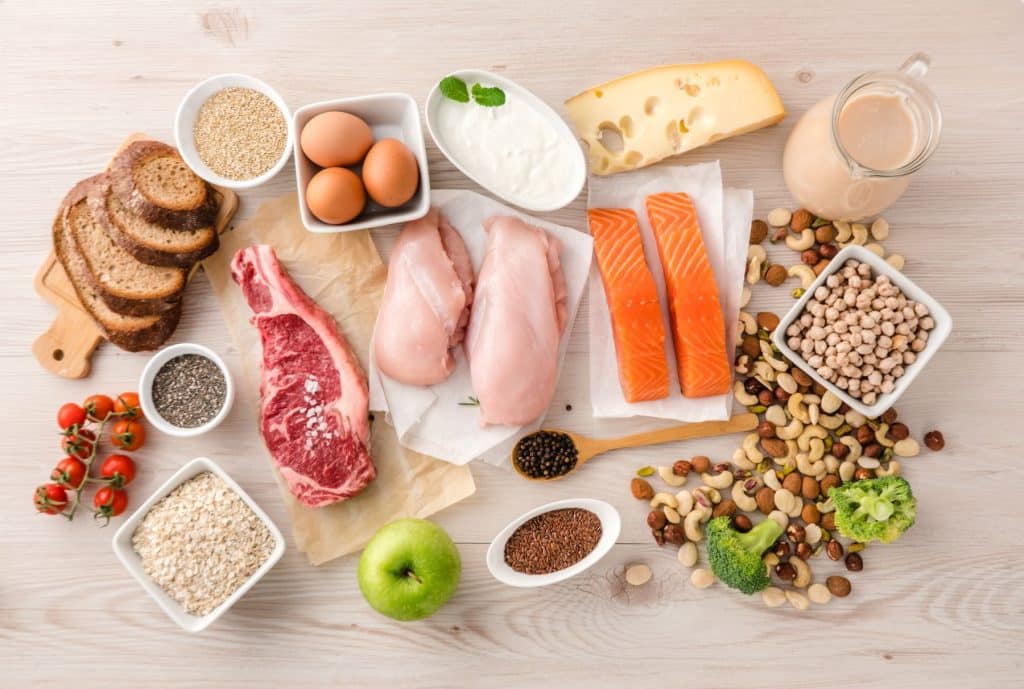
Great whole-food protein sources include:
- Lean beef, chicken breast, turkey, and fish
- Eggs and egg whites
- Low-fat Greek yogurt and cottage cheese
However, relying on whole foods alone can be tough when your daily protein target climbs above 200 grams. That’s where protein powders can help fill the gap.
2. Use Fast-Digesting Protein to Maximize Recovery
Post-workout nutrition is crucial during your off-season training. After intense lifting sessions, your muscles are primed to absorb nutrients and begin the recovery process. A fast-digesting protein powder is ideal here to kickstart muscle repair quickly.
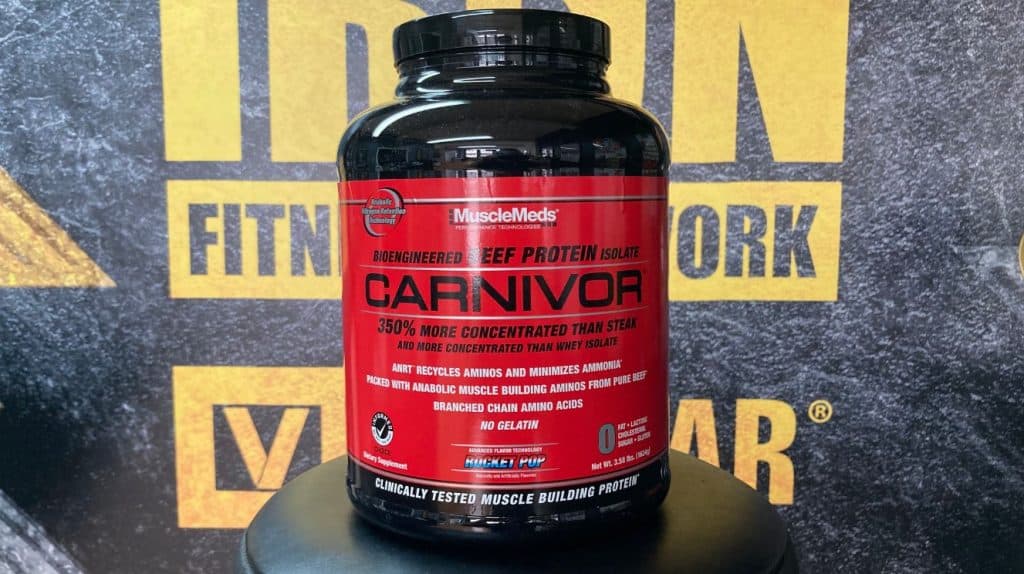
One excellent option is MuscleMeds Carnivor, a hydrolyzed beef protein isolate.
Carnivor is a 100% beef protein isolate that is fast digesting and great tasting for an effective non-dairy protein supplement.
Each scoop provides:
- Calories: 100
- Protein: 23g
- Carbs: 3g
- Fat: 0g
- Sugar: 0g
It comes in a variety of flavors—Rocket Pop, Chocolate Peanut Butter, Chocolate, Vanilla Caramel, Cookies & Cream, Strawberry, and Fruit Punch—making it easy to find one you enjoy. Because it’s fat-free and low in carbs, it fits into virtually any diet, even if you’re trying to manage your macros closely.
Best way to take: Mix 1 scoop with 10–12 ounces of cold water immediately after training. This rapid influx of amino acids helps repair damaged muscle fibers, stimulate muscle protein synthesis, and accelerate recovery so you can train hard again the next day.
3. Eat Enough Carbohydrates to Fuel Performance
While protein is essential for building new muscle, carbohydrates are your primary energy source. In the off-season, you’ll be training heavy and frequently, so your glycogen stores need to stay topped off.
Focus on complex carbs that provide steady energy and support recovery:
- Rice, oats, potatoes, and sweet potatoes
- Whole-grain breads and pastas
- Fruits and vegetables for fiber and micronutrients
Try to consume 2 to 3 grams of carbs per pound of body weight daily, adjusting up or down depending on your body composition and energy levels. Eating plenty of carbs not only fuels your training but also helps spare protein from being used as energy, allowing it to focus solely on building muscle.
4. Include Healthy Fats for Hormonal Support
Fats often get overlooked, but they play a major role in hormone production—especially testosterone, which is critical for muscle growth. About 20–30% of your daily calories should come from healthy fats.
Prioritize sources like:
- Whole eggs and fatty fish (salmon, sardines)
- Olive oil, avocado, and nuts
- Nut butters and seeds
These foods provide essential fatty acids and fat-soluble vitamins that support your overall health and performance in the gym.
5. Don’t Neglect Micronutrients
When you’re pushing your body to the limit, vitamins and minerals are just as important as macros. Deficiencies can slow recovery, lower your immune system, and reduce training output.
Make sure your off-season diet includes:
- A wide variety of colorful fruits and vegetables
- Adequate dairy or fortified alternatives for calcium and vitamin D
- Possibly a daily multivitamin to cover any nutritional gaps
Hydration is also part of this equation—aim for at least a gallon of water per day, especially when eating in a calorie surplus.
6. Time Your Meals Around Your Training
Meal timing matters when you’re trying to build muscle. Eating balanced meals throughout the day helps keep your body in an anabolic (muscle-building) state. Try to:
- Eat a protein- and carb-rich meal 1–2 hours before training for energy
- Consume fast-digesting protein like MuscleMeds Carnivor immediately post-workout
- Spread your protein intake evenly across 4–6 meals per day to maximize muscle protein synthesis
This approach ensures your body constantly has the building blocks it needs to grow.
The Bottom Line

Your off-season diet is the foundation for your future physique. Focus on high-quality protein, plenty of complex carbohydrates, healthy fats, and micronutrient-rich foods. Structure your meals to support performance and recovery, and don’t forget to include a fast-digesting protein supplement like MuscleMeds Carnivor to maximize your gains.
The off-season isn’t about eating recklessly—it’s about eating strategically. By fueling your body properly now, you’ll be able to add quality muscle mass, stay leaner, and set yourself up for a much more successful contest prep later.
Let us know what you think in the comments below. Also, be sure to follow Generation Iron on Facebook, Twitter, and Instagram.