The Truth Behind the Risks
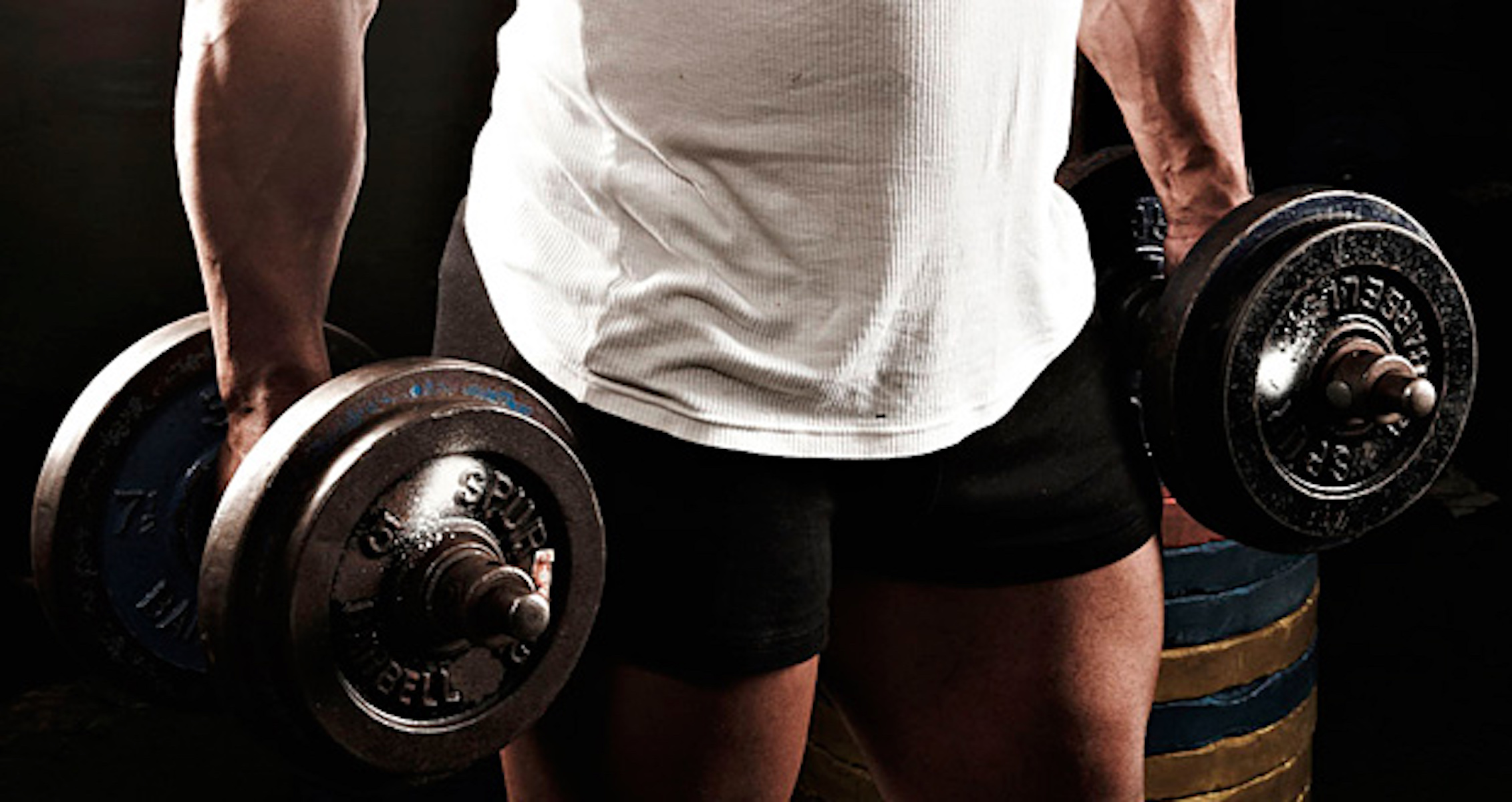
Bodybuilding is often associated with peak physical condition—low body fat, massive amounts of muscle mass, and seemingly elite health. When you look at someone who is ripped and muscular, you think that they are the epitome of health. But behind the aesthetics lies a harsher reality: many professional and competitive bodybuilders experience significantly shorter lifespans than the general population. While not every bodybuilder is at risk of dying young, certain practices within the sport can dramatically increase the likelihood of early death.
Understanding why bodybuilders die young requires looking beyond the surface and examining the physiological, lifestyle, and pharmacological factors that contribute to long-term health consequences. Our team at Generation Iron is going to break it down.
The Role of Performance-Enhancing Drugs (PEDs)

One of the biggest contributors to early mortality in bodybuilding is the widespread use of performance-enhancing drugs (PEDs). These include anabolic steroids, growth hormone, insulin, and various over the top fat burners.
Cardiovascular Damage
Cardiovascular damage is one of the biggest side effects of steroid usage. Anabolic steroids can severely impact heart health by:
- Increasing LDL (bad cholesterol)
- Lowering HDL (good cholesterol)
- Raising blood pressure
- Causing thickening of the heart walls (left ventricular hypertrophy)
Over time, this can lead to heart attacks, strokes, and heart failure—some of the most common causes of death among bodybuilders.
Hormonal Imbalance
Long-term PED use disrupts the body’s natural hormone production. Even with post-cycle therapy, many users experience:
- Suppressed testosterone levels
- Fertility issues
- Endocrine dysfunction
This chronic imbalance can affect overall health and longevity.
Extreme Bulking and Cutting Cycles

Bodybuilders often push their bodies through extreme fluctuations in weight and body composition.
Bulking Phase Risks
During bulking, athletes may consume excessive calories—sometimes 5,000–10,000 per day. While this promotes muscle growth, it can also:
- Increase visceral fat
- Strain the the heart and digestive system
- Elevate blood sugar levels
Cutting Phase Risks
Cutting in bodybuilding is more than just cutting back on carbs. A bodybuilding cut for show prep involves aggressive calorie restriction, dehydration, and sometimes dangerous substances like diuretics.
This can lead to:
- Electrolyte imbalances
- Kidney stress
- Increased risk of cardiac arrest
In fact, improper diuretic use has been directly linked to multiple bodybuilding deaths.
Dehydration and Diuretics
In preparation for competitions, bodybuilders aim for a “dry” look—minimal water under the skin to enhance muscle definition.
To achieve this, many use diuretics to flush water from the body. This practice is extremely dangerous and can lead to:
- Severe dehydration
- Loss of essential minerals like potassium and sodium
- Irregular heart rhythms
These electrolyte imbalances can quickly become fatal, especially when combined with intense training and low calorie intake.
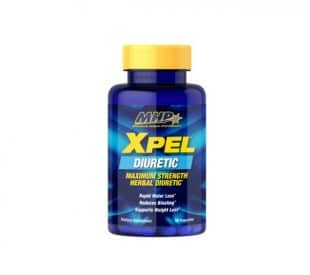
XPEL is a trusted diuretic formula used by fitness models, bodybuilders and millions of consumers for over a decade because it works, and is safer than other options.
If you are looking to cut water safely, check out XPEL from MHP. XPEL is a dietary supplement formulated with all-natural ingredients designed to reduce water retention and bloating quickly and safely, making it a popular choice not only among bodybuilders preparing for competitions but also for anyone looking to feel more comfortable and confident for occasions like a beach day, a date, or even relief from menstrual discomfort.
Kidney and Liver Stress
The combination of high protein intake, supplements, and PEDs puts enormous strain on the kidneys and liver.
Kidney Damage
High protein diets alone are generally safe for healthy individuals, but when combined with:
- Steroid use
- Dehydration
- Diuretics
…the risk of kidney failure increases significantly.
Liver Toxicity
Oral anabolic steroids are particularly harsh on the liver. Long-term use can lead to:
- Liver damage
- Tumors
- Liver failure
The Hidden Danger: Sleep Apnea
Many bodybuilders—especially those carrying extreme mass—suffer from sleep apnea, and it’s not something you typically think of when it comes to the side effects of bodybuilding. This condition causes interrupted breathing during sleep and is often underdiagnosed.
Sleep apnea can lead to:
- Chronic fatigue
- High blood pressure
- Increased risk of heart disease
When combined with other risk factors, it further compounds the likelihood of early death.
Mental Health and Body Dysmorphia
Bodybuilding culture often promotes an unattainable standard of perfection. This can lead to:
- Body dysmorphia (sometimes called “bigorexia”)
- Depression and anxiety
- Dependency on PEDs to maintain size and appearance
Mental health struggles can influence risky decision-making, including continued drug use despite known health risks.
Lack of Off-Season Health Focus
Many bodybuilders prioritize aesthetics over health markers. Routine bloodwork, heart scans, and preventative care are often neglected.
Instead of focusing on:
- Cholesterol levels
- Blood pressure
- Organ function
…the emphasis is placed on:
- Size
- Symmetry
- Conditioning
This disconnect can allow serious health issues to go unnoticed until it’s too late.
Genetics and Extremes
It’s important to acknowledge that genetics play a role. Some individuals are more susceptible to heart disease or organ stress. However, bodybuilding at the highest level often pushes the human body beyond natural limits—amplifying any underlying vulnerabilities.
Can Bodybuilding Be Done Safely?
Yes—but it requires a different approach than what is often seen at the elite level.
Health-conscious bodybuilding includes:
- Avoiding or minimizing PED use
- Maintaining moderate body fat levels year-round
- Staying hydrated
- Monitoring bloodwork regularly
- Prioritizing cardiovascular health
Natural bodybuilders, in particular, tend to have far fewer health risks when they avoid extreme practices.
Final Thoughts
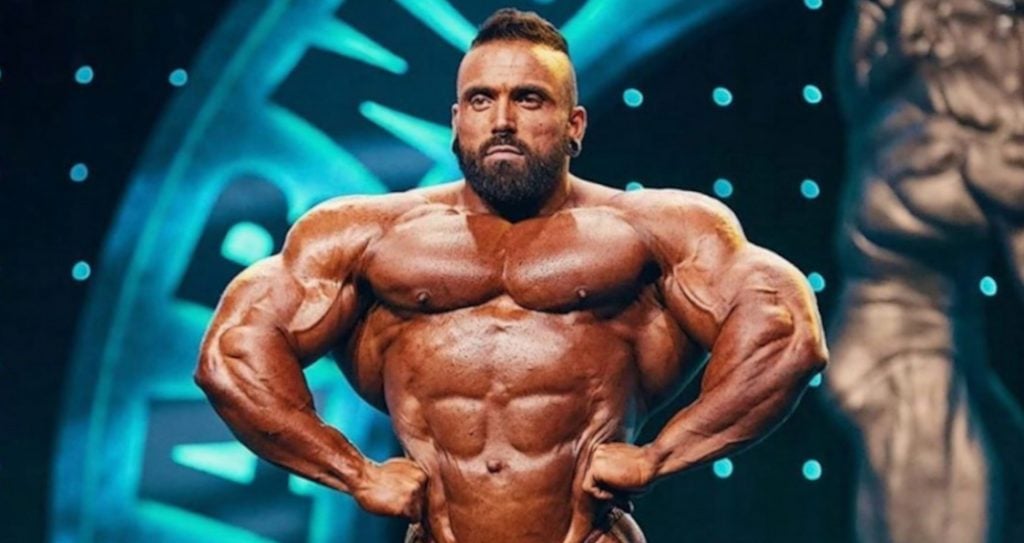
The question of why bodybuilders die young isn’t about the sport itself—it’s about the extremes often associated with it. When performance-enhancing drugs, dehydration, and relentless physical stress are combined, the human body eventually pays the price.
Bodybuilding can absolutely improve health, discipline, and confidence. But when the pursuit of size and conditioning overrides long-term well-being, the risks become impossible to ignore.
The takeaway is simple: the healthiest physique is one you can sustain for life—not just for the stage.
Let us know what you think in the comments below. Also, be sure to follow Generation Iron on Facebook, Twitter, and Instagram.
References
- National Institutes of Health – Research on anabolic steroid effects on cardiovascular health and organ function.
- Mayo Clinic – Clinical insights on steroid abuse, heart disease, and long-term health risks.
- Cleveland Clinic – Information on heart enlargement, hypertension, and electrolyte imbalance risks.
- American Heart Association – Data on cholesterol imbalance, cardiac strain, and risk of heart attack/stroke.