Don’t lose your pump when you leave the gym
If you’ve ever finished a tough workout, checked the mirror, and thought, “Why do I look smaller?”—you’re not alone. That “flat” look after training is one of the most common frustrations in fitness, especially for lifters chasing a full, pumped physique. Sure, the pump is great during the workout, with your veins showing and your muscles looking full, but afterwards when the pump is gone, it can be defeating.
The good news: that flat look after a workout is completely normal—and temporary. Understanding why it happens can help you fix it and even use it to your advantage. Our team at Generation Iron is going to break it down.
What Does “Looking Flat” Actually Mean?

In fitness terms, “flat” refers to muscles that appear:
- Smaller than usual
- Less full or rounded
- Less vascular or defined
This is the opposite of the “pump” you might experience during your workout, where muscles feel tight, full, and swollen.
Why You Look Flat After the Workout
1. You’ve Lost the Pump
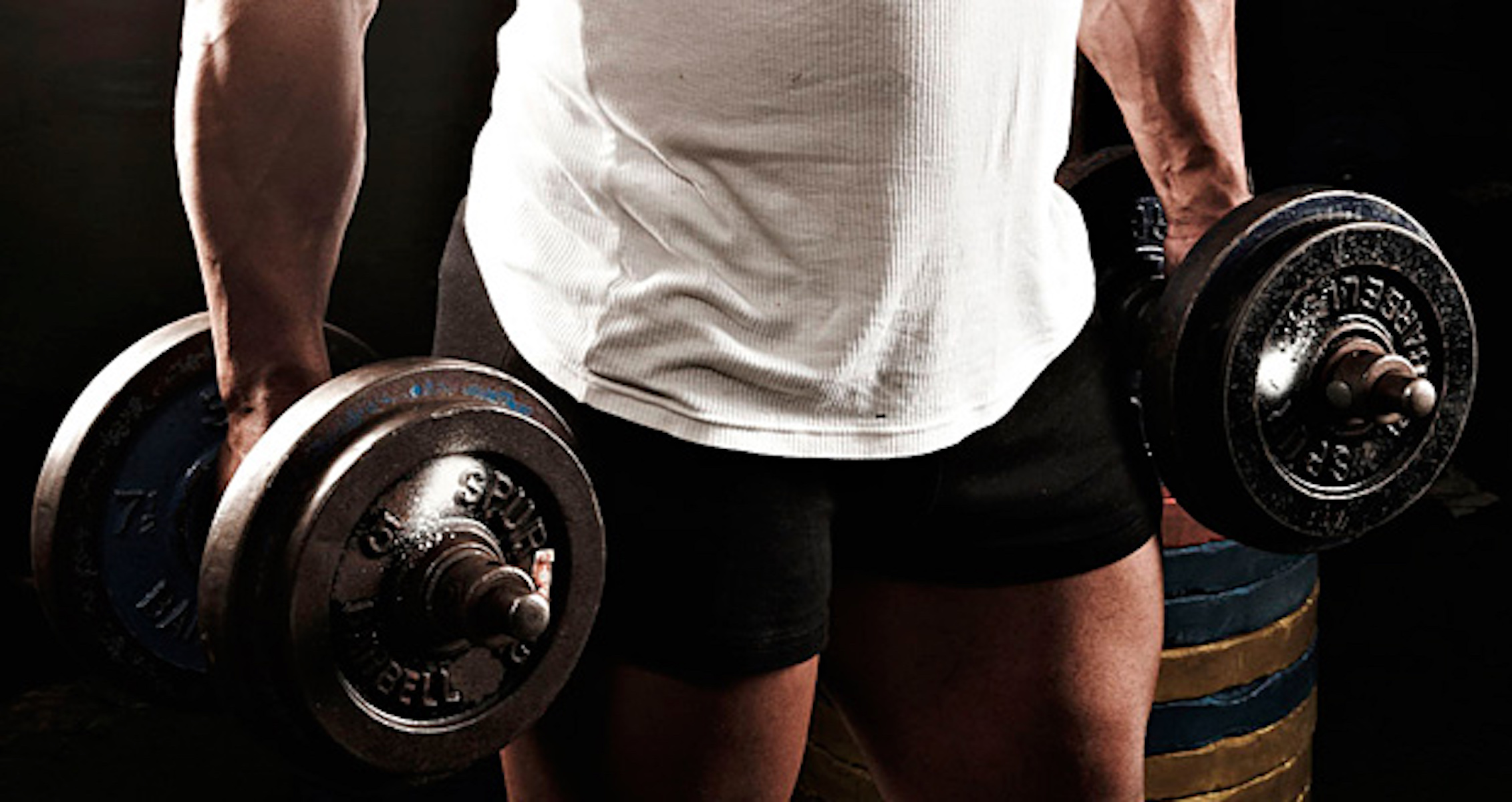
During training, especially with higher reps, your body sends more blood into the working muscles. This is known as the muscle pump. Once your workout ends, that pump fades (though the way you look with a pump is the physique that you’re always chasing).
Why it happens:
- Blood flow returns to normal levels
- Muscles lose that temporary “inflated” look
- Veins become less visible
What it means:
You didn’t actually lose muscle—you just lost the temporary swelling effect.
2. Glycogen Depletion
Your muscles store carbohydrates in the form of glycogen, and every intense workout uses it as fuel.
When glycogen drops:
- Muscles hold less water
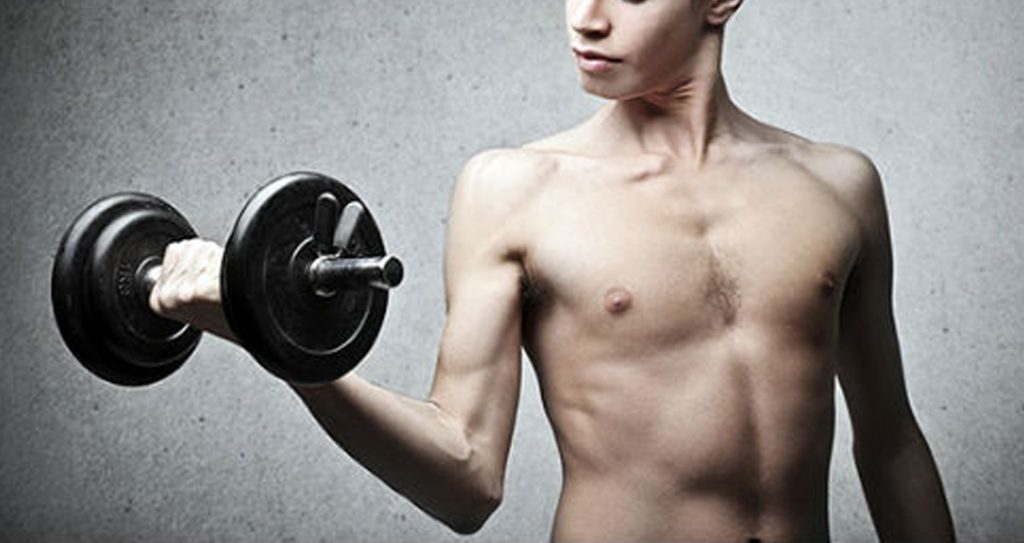
- They appear flatter and less full
- Strength may temporarily decrease
This is one of the biggest reasons you look smaller post-workout—especially after:
- Long sessions
- High-volume lifting
- Fasted training
3. Water Loss (Dehydration)
You sweat during workouts—that’s obvious (unless you aren’t working hard at all). But even mild dehydration can affect how your muscles look.
Effects of water loss:
- Reduced muscle volume
- Decreased vascularity
- Less skin tightness over muscle
Even a small drop in hydration can noticeably impact your appearance.
4. Calorie Deficit or Undereating
If you’re trying to cut down and lose that body fat, you’re—especially aggressively—you’re more likely to look flat after workouts.
Why:
- Lower carb intake = lower glycogen stores
- Less food overall = reduced muscle fullness
- Energy levels drop, affecting performance and recovery
This is extremely common during cutting phases.
5. Overtraining or Excessive Volume
More isn’t always better. If you’re doing too much:
- Your body stays in a depleted state
- Recovery is compromised
- Muscles never fully refill with glycogen
Signs you may be overdoing it:
- Constant flat look
- Decreased strength
- Poor pumps during workouts
6. Lack of Sodium and Electrolytes
Everyone says that sodium is bad for you, but that is not entirely true. Sodium plays a huge role in muscle fullness and hydration.
If sodium is too low:
- Muscles can’t hold water properly
- Pumps feel weak
- You look flat and deflated
This is especially common in people trying to “eat clean” and accidentally cutting sodium too much.
7. Fasted Training
Though it is said to help lose body fat quicker, working out without eating beforehand can increase the “flat” effect.
Why:
- Glycogen is already low
- No pre-workout carbs to fuel a pump
- Increased fatigue
While fasted training has its place, it’s not ideal if your goal is fullness and performance.
How to Fix the Flat Look After a Workout

Now that you know the causes, here’s how to correct it.
1. Replenish Carbs Post-Workout
Carbohydrates are key to restoring muscle fullness.
Focus on:
- Rice
- Potatoes
- Oats
- Fruit
Why it works:
Carbs refill glycogen stores and pull water back into your muscles, restoring that full look.
2. Hydrate Properly
Don’t just drink water—be consistent with it.
Tips:
- Drink water throughout the day, not just during workouts
- Add electrolytes if you sweat heavily
- Don’t neglect sodium
Proper hydration alone can dramatically improve how you look.
3. Don’t Fear Sodium
Sodium helps your muscles stay full and perform better.
Smart approach:
- Keep sodium intake consistent daily
- Avoid drastic fluctuations
- Include natural sources like salt, meats, and whole foods
Cutting sodium too aggressively often backfires.
4. Time Your Nutrition
Eating before and after your workout can make a huge difference.
Pre-workout:
- Carbs + protein
- Example: rice cakes and chicken, oats and whey
Post-workout:
- Fast-digesting carbs + protein
- Helps restore glycogen quickly
This helps maintain fullness and improve recovery.
5. Train for the Pump (Strategically)
If you want to look full, train in a way that promotes it.
Include:
- Moderate to high reps (8–15 range)
- Shorter rest periods
- Isolation movements
This increases blood flow and enhances that full, round muscle appearance.
6. Avoid Overtraining
More volume doesn’t equal more growth.
Instead:
- Focus on quality sets
- Track recovery
- Take rest days seriously
Recovery is when your muscles refill and grow—not during endless workouts.
7. Consider Your Overall Diet
If you constantly look flat, your diet might need adjustment.
Evaluate:
- Are you eating enough carbs?
- Are calories too low?
- Is protein adequate?
Even during a cut, carbs shouldn’t be eliminated completely if you want to maintain muscle fullness.
The Bottom Line
Looking flat after a workout isn’t a sign of muscle loss—it’s a normal physiological response.
Most of the time, it comes down to:
- Temporary loss of the pump
- Glycogen depletion
- Water and electrolyte balance
With the right nutrition, hydration, and training approach, you can minimize that flat look and keep your muscles appearing full and strong.
Quick Fix Checklist

If you look flat after training, ask yourself:
- Did I eat enough carbs today?
- Am I hydrated?
- Did I get sodium/electrolytes?
- Am I overtraining?
- Did I eat before my workout?
Dial those in, and you’ll notice a big difference—not just in how you look, but how you perform.
Let us know what you think in the comments below. Also, be sure to follow Generation Iron on Facebook, Twitter, and Instagram.
References
- American College of Sports Medicine. ACSM’s Guidelines for Exercise Testing and Prescription.
- Covers hydration, exercise physiology, and performance responses to training.
- National Strength and Conditioning Association. Essentials of Strength Training and Conditioning.
- Explains muscle physiology, glycogen depletion, and acute training effects like the pump.
- Brad Schoenfeld (2010). The mechanisms of muscle hypertrophy and their application to resistance training.
- Journal of Strength and Conditioning Research.
- Discusses metabolic stress and intracellular swelling (the “pump”) as a hypertrophy mechanism.