Can you look like those ripped Hollywood Actors?
Celebrity body transformations are everywhere—from blockbuster movies to social media feeds. Whether it’s extreme fat loss, rapid muscle gain, or a complete physique overhaul, actors like Chris Hemsworth, Christian Bale, and Zac Efron have set a new standard for what people think is possible in a short period of time.
But are celebrity transformations realistic for the average person? You aren’t training to look like a Mr. Olympia competitor, so are these transformations attainable? The short answer: not really. While they are technically real, they are built on advantages and circumstances that most people simply don’t have access to.
Our team at Generation Iron is going to break down the truth behind Hollywood transformations, what’s actually achievable, and how to set realistic fitness expectations.
What Are Celebrity Transformations?

Celebrity transformations refer to dramatic physical changes actors undergo for roles. These typically include:
- Rapid fat loss (often 20+ pounds)
- Significant muscle gain in a short timeframe
- Highly defined physiques for specific scenes
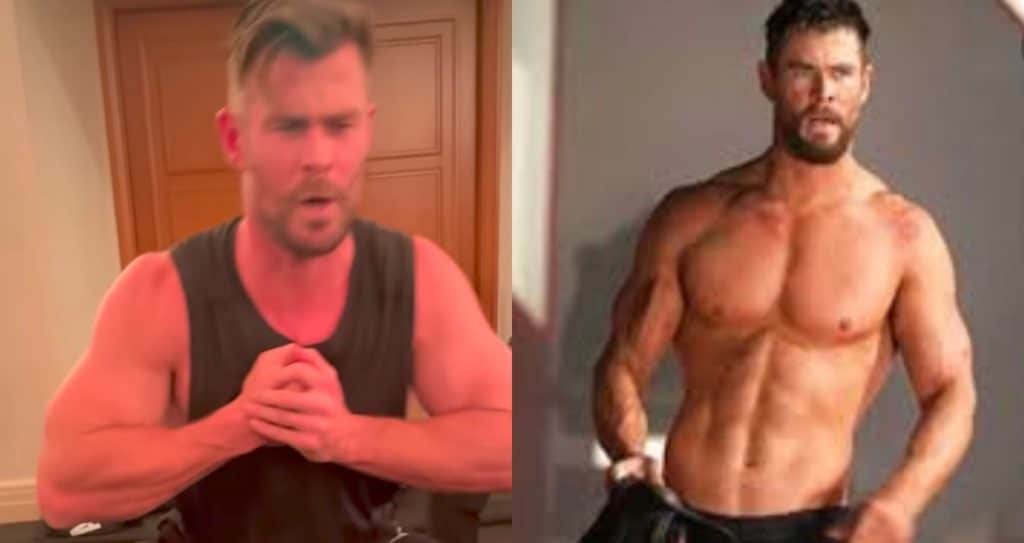
A well-known example is Christian Bale, who has repeatedly gained and lost massive amounts of weight for roles like The Machinist and Batman Begins. Similarly, Chris Hemsworth built a muscular, superhero-level body to portray Thor, while Zac Efron achieved an extremely lean and shredded look for Baywatch and The Iron Claw.
These transformations are impressive—but they don’t necessarily reflect typical, sustainable fitness progress.
Why Celebrity Transformations Aren’t Realistic
Full-Time Training and Recovery
One of the biggest reasons celebrity transformations seem so dramatic is because actors can dedicate their entire day to training, recovery, and nutrition. Fitness becomes their full-time job.
In contrast, most people are balancing:
- Work schedules
- Family responsibilities
- Limited time for sleep and recovery
This alone creates a major gap in what’s achievable.
Access to Elite Coaching
Celebrities don’t rely on guesswork or just workout apps, they have access to many more resources. They work with:
- Top-tier personal trainers
- Registered dietitians
- Private chefs
For example, Zac Efron followed an extremely strict diet and training plan under expert supervision—something he later described as difficult to maintain long-term.
Having a fully customized plan removes trial and error, accelerates results, and ensures consistency.
Short-Term Peak Conditioning
Another key factor is timing. The physiques you see on screen are often achieved through short-term strategies designed to maximize appearance for a specific moment.
These strategies may include:
- Temporary dehydration to enhance muscle definition
- Carb manipulation to increase muscle fullness
- Training immediately before filming to create a “pump”
This means the look you see is not sustainable and may only last a few days—or even hours.
Supplementation and Performance Enhancers
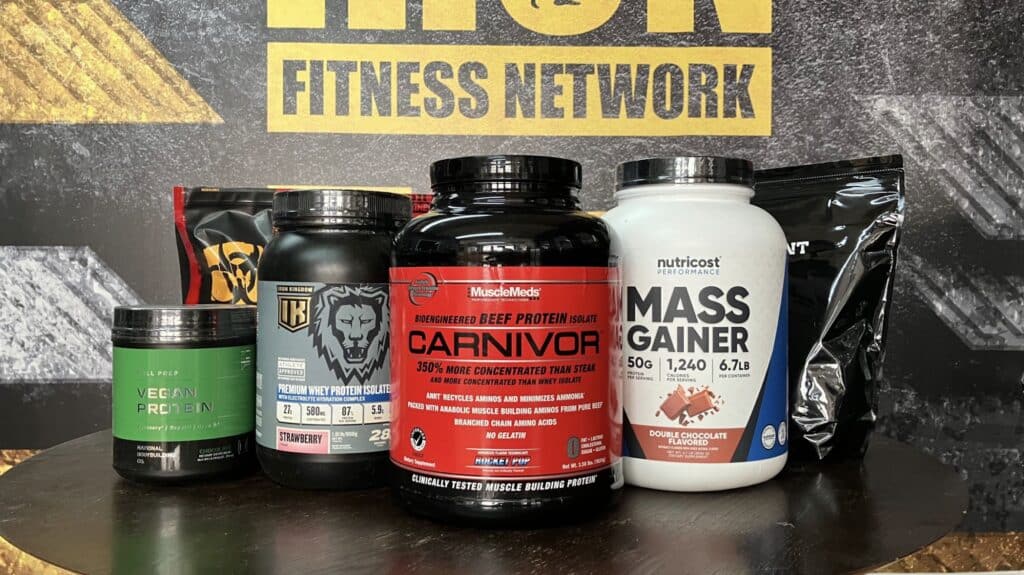
While not every celebrity uses performance-enhancing drugs, it’s important to acknowledge that some transformations push the limits of what’s naturally achievable in short timeframes.
Even in natural cases, supplementation plays a significant role, including:
- Protein powders
- Creatine
- Fat burners
- Recovery aids
Additionally, some actors work with medical professionals to optimize hormone levels, which can further accelerate results.
The Timeline Problem
One of the most misleading aspects of celebrity transformations is the timeline.
What Hollywood Promotes:
- 8–12 week extreme transformations
- Rapid “before and after” results
What’s Actually Realistic:
- Fat loss: 1–2 pounds per week
- Muscle gain: 1–2 pounds per month (for beginners)
- Long-term consistency over months or years
Expecting Hollywood-level results in a short period often leads to frustration, burnout, and even injury.
The Role of Genetics in Hollywood Transformations
Genetics also play a major role in celebrity transformations. Many actors chosen for physically demanding roles already have:
- Naturally lean body types
- Strong muscle-building potential
- Athletic backgrounds
For instance, Chris Hemsworth didn’t start from scratch—he built upon a solid fitness foundation.
This makes their transformations appear even more dramatic than they actually are.
Are Celebrity Transformations Fake?
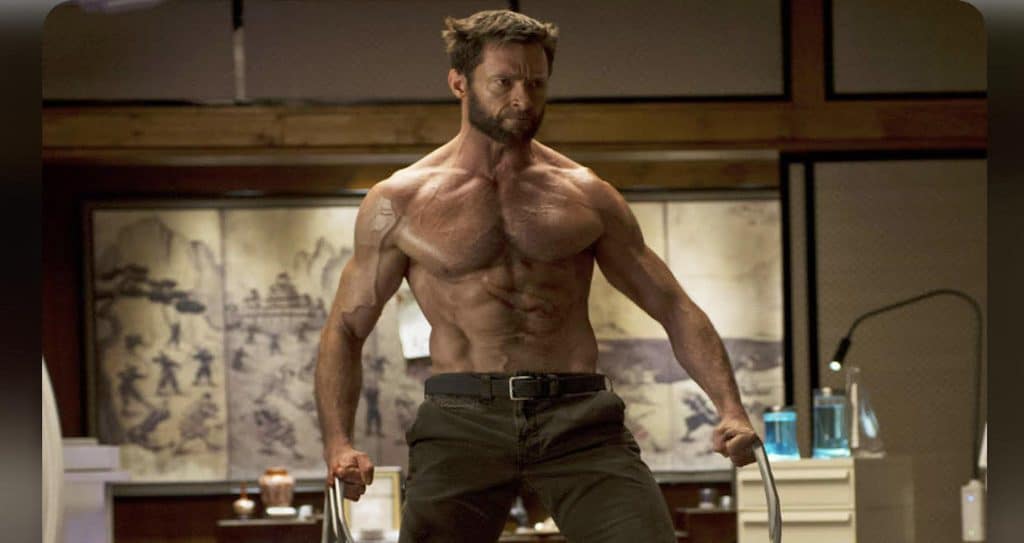
Celebrity transformations aren’t fake—but they are highly optimized and can often be misleading.
They represent:
- The best possible conditions for physical change
- A short-term peak, not a permanent lifestyle
- Results achieved with significant support and resources
In other words, they are real—but not easily replicable.
Setting Realistic Fitness Expectations
Instead of chasing unrealistic goals, focus on what actually works long-term.
Consistency Over Perfection
Training consistently 3–5 times per week will always outperform extreme, unsustainable efforts.
Focus on Nutrition
Prioritize:
- High protein intake
- Whole, nutrient-dense foods
- A manageable calorie deficit for fat loss
Build Strength Gradually
Progressive overload—slowly increasing weight and intensity—is key to long-term muscle growth.
Set Achievable Goals
Rather than trying to look like Zac Efron in a few months, aim for:
- Steady fat loss
- Noticeable strength gains
- Improved overall health and body composition
Final Thoughts
So, are celebrity transformations realistic? Not for the average person, but that doesn’t mean impressive results are out of reach. With consistency, smart training, and realistic expectations, you can achieve a strong, lean, and sustainable physique over time.The biggest mistake people make is comparing their everyday routine to a celebrity’s peak moment.
Actors are paid to look a certain way temporarily.
Your goal should be to build a body that performs well, looks good, and is maintainable for the long run.
Follow us on Instagram, Facebook, and Twitter for more!
References
- American College of Sports Medicine. ACSM’s Guidelines for Exercise Testing and Prescription.
- Helms, E. R., Aragon, A. A., & Fitschen, P. J. (2014). Evidence-based recommendations for natural bodybuilding contest preparation: nutrition and supplementation. Journal of the International Society of Sports Nutrition.
- Phillips, S. M. (2014). A brief review of critical processes in exercise-induced muscular hypertrophy. Sports Medicine.