Which Bodybuilding Routine is Right for You?
For anyone serious about bodybuilding or hypertrophy-focused training, two of the most talked-about training routines are the Arnold Split (named after Arnold Schwarzenegger) and the Bro Split. Both are rooted in classic bodybuilding culture, and both have their die-hard followers. But which one is better for muscle growth? And more importantly, which one is better for you?
In this article, our team at Generation Iron is going to break down everything you need to know about the Arnold Split vs. the Bro Split — including their origins, structure, benefits, drawbacks, and how to decide which routine aligns best with your goals.
What Is the Arnold Split?

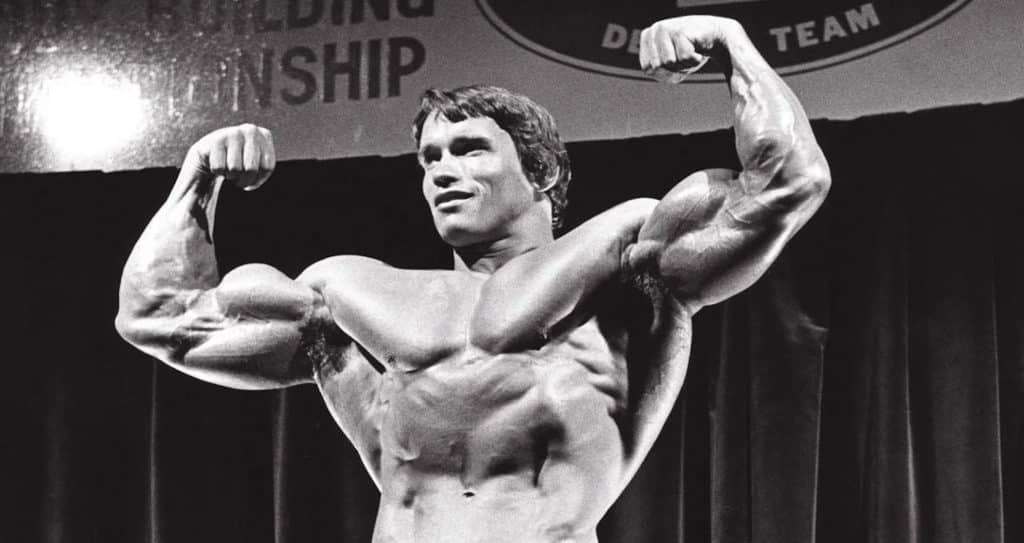
The Arnold Split gets its name from the legendary Arnold Schwarzenegger, a 7x Mr. Olympia winner who popularized this high-volume approach during his competitive bodybuilding days in the 1970s. His training philosophy centered around training each muscle group twice per week while using very high training volume and frequency.
Arnold Split Weekly Layout
Here’s the classic 6-day Arnold Split:
- Day 1: Chest & Back
- Day 2: Shoulders & Arms (Biceps + Triceps)
- Day 3: Legs
- Day 4: Chest & Back
- Day 5: Shoulders & Arms
- Day 6: Legs
- Day 7: Rest
This layout effectively trains each muscle group twice per week (every 3–4 days), which is a key part of the Arnold training philosophy. Each workout includes multiple exercises (4–5 per body part), multiple sets (4–5), and moderate-to-heavy weights with 8–12 reps.
Key Characteristics of the Arnold Split
- High training frequency (2x/week per muscle group)
- High volume (lots of sets and reps)
- Uses supersets (especially for antagonistic muscle groups like chest/back)
- Requires 6 days a week of training
- Optimized for maximum hypertrophy for advanced lifters
What is the Bro Split?

The Bro Split is another bodybuilding staple. The name “bro split” comes from the way many casual gym-goers (“gym bros”) tend to structure their training — one major muscle group per day, trained once per week. This style is widely used by recreational lifters and physique athletes alike.
Bro Split Weekly Layout
Here’s a typical 5-day Bro Split:
- Day 1: Chest
- Day 2: Back
- Day 3: Shoulders
- Day 4: Arms (Biceps + Triceps)
- Day 5: Legs
- Day 6–7: Rest
Each muscle group gets its own dedicated day with 4–6 exercises, 3–5 sets per exercise, and moderate rep ranges (8–12). The Bro Split focuses on maximizing the workload on one muscle group per session, then letting it rest for an entire week before hitting it again.
Key Characteristics of the Bro Split
- Lower training frequency (1x/week per muscle group)
- High volume per session for each muscle
- Requires 5 days per week of training
- Easier to recover from compared to Arnold Split
- Popular among intermediate to advanced gym-goers
Arnold Split vs. Bro Split: Side-by-Side Comparison
| Category | Arnold Split | Bro Split |
|---|---|---|
| Training Frequency | 2x per week per muscle | 1x per week per muscle |
| Weekly Training Days | 6 | 5 |
| Volume per Session | Moderate (shared muscle focus) | High (single muscle focus) |
| Recovery Between Sessions | Short (2–3 days) | Long (7 days) |
| Ideal For | Advanced lifters with more time | Intermediate lifters with limited time |
| Hypertrophy Potential | High (if recovery allows) | Moderate to High |
| Time Commitment | Very High | Moderate |
Benefits of the Arnold Split
The Arnold Split has several advantages for dedicated lifters who can handle the workload:
1. Increased Training Frequency
Training each muscle group twice a week has been shown in many studies to stimulate more muscle protein synthesis compared to once-a-week training, especially for advanced lifters.
2. Higher Weekly Volume
By hitting each muscle group twice weekly, you accumulate more total volume over time — a critical factor for muscle hypertrophy.
3. Balanced Development
The split pairs antagonistic muscle groups like chest/back and biceps/triceps, which can balance pushing and pulling movements and improve symmetry.
4. Greater Skill Practice
More frequent training means more opportunities to practice form and build mind-muscle connection, crucial for advanced bodybuilding progress.
Drawbacks of the Arnold Split
Despite its effectiveness, the Arnold Split isn’t ideal for everyone:
- Very time-intensive (6 days/week, long workouts)
- Recovery can be difficult, especially for natural lifters
- Risk of overtraining if nutrition and sleep aren’t on point
- Not beginner-friendly, since it assumes high work capacity and exercise proficiency
Benefits of the Bro Split
The Bro Split remains a popular choice for a reason — it works for many people:
1. Easier Recovery
With a full week between hitting the same muscle group again, the Bro Split allows ample recovery time, especially useful for beginners or older lifters.
2. Simpler Schedule
A 5-day routine is more flexible and less time-consuming than training 6 days per week.
3. Laser Focus on One Muscle Group
Since you’re only training one muscle group per session, you can give it maximum attention and intensity without worrying about conserving energy for other muscle groups.
4. Mental Freshness
Focusing on different body parts each day can prevent mental burnout and keep training exciting.
Drawbacks of the Bro Split
While it has perks, the Bro Split also comes with limitations:
- Lower frequency can limit progress for advanced lifters
- Longer time to stimulate muscles again, which may slow growth
- Easier to miss progress if you skip a day — that muscle waits another week
- Less overall volume per week than a high-frequency split
Which Is Better: Arnold Split or Bro Split?
Here’s the truth: neither split is inherently “better” — it depends on your goals, experience level, and schedule.
- Choose the Arnold Split if:
- You are an advanced lifter with solid training experience.
- You can train 6 days per week and recover well.
- Your priority is maximum hypertrophy and muscle size.
- You thrive on high training volume and intensity.
- Choose the Bro Split if:
- You are a beginner to intermediate lifter.
- You can train only 4–5 days per week.
- You prefer focusing on one muscle group per session.
- You want a more flexible and less exhausting routine.
In fact, many lifters start on a Bro Split to build a solid base and later transition to the Arnold Split or a Push/Pull/Legs (PPL) style when they can handle higher workloads.
Optimizing Either Split for Muscle Growth

Regardless of which split you choose, remember these fundamentals for building muscle:
- Progressive overload: Gradually increase weights, reps, or sets over time.
- Sufficient protein intake: Aim for around 0.8–1g per pound of bodyweight daily.
- Consistent sleep and recovery: At least 7–8 hours of sleep per night.
- Deload weeks: Take a lighter week every 6–8 weeks to avoid burnout.
- Track progress: Log workouts, weights, and reps to ensure progression.
By nailing these fundamentals, you can make either split highly effective. Training split matters, but consistency and effort matter even more.
Final Thoughts: Arnold Split vs. Bro Split
When comparing the Arnold Split vs. the Bro Split, it comes down to frequency vs. simplicity.
- The Arnold Split offers more frequency and potentially more hypertrophy, but it’s demanding and better suited for advanced lifters with plenty of time and recovery resources.
- The Bro Split offers simplicity, easier recovery, and laser focus, making it ideal for beginners and intermediate lifters or anyone with a busy schedule.
Ultimately, the best split is the one you can stick with consistently, recover from effectively, and enjoy doing. If you train hard, eat well, and progressively overload, both of these classic bodybuilding splits can help you build an impressive physique.
Do you agree with these findings? Let us know in the comments below and be sure to follow Generation Iron on Facebook and Twitter.