How to Perform It, Benefits, and Muscles Worked
Building muscle mass isn’t just about looking bigger or achieving a shredded physique. While developing an impressive aesthetic is a major goal for many bodybuilders, building functional strength is equally important. Developing strength that translates into better performance in the gym can help you lift heavier, improve athletic performance, and build a more balanced physique.
There are plenty of exercises that can help you accomplish these goals. From deadlifts and squats to lunges and Romanian deadlifts, compound movements are essential for developing strength and muscle throughout your body.
However, one exercise that often gets overlooked is the cable pull-through.
At first glance, the cable pull-through might not look particularly impressive. It doesn’t involve lifting massive amounts of weight or performing an explosive movement. However, this exercise is an excellent way to strengthen your posterior chain, improve hip hinge mechanics, and develop your glutes and hamstrings.
Whether you’re a bodybuilder, powerlifter, or recreational gym-goer, the cable pull-through deserves consideration as part of your lower-body training routine.
Generation Iron is breaking down everything you need to know about the cable pull-through, including how to perform it, its benefits, and the muscles it works.
What Is a Cable Pull-Through?

The cable pull-through is a lower-body exercise that primarily targets the glutes and hamstrings through a hip hinge movement.
Performed using a cable machine and rope attachment, the exercise requires you to stand facing away from the machine while pulling the rope between your legs. You then extend your hips to return to a standing position.
Unlike exercises that emphasize knee flexion and extension, the cable pull-through focuses on hip extension. This makes it an effective exercise for strengthening the posterior chain, which includes the muscles along the backside of your body.
The cable machine also provides consistent resistance throughout the movement, allowing you to maintain tension on your glutes and hamstrings.
For lifters who want to improve their hip hinge mechanics without immediately loading a heavy barbell, the cable pull-through is an excellent option.
What Muscles Does the Cable Pull-Through Work?

The cable pull-through primarily targets the posterior chain, with several muscles working together to complete the movement.
Here are the primary muscles involved:
- Gluteus Maximus: The glutes are the primary muscle group responsible for extending your hips and driving your body back into a standing position.
- Hamstrings: The hamstrings assist with hip extension and help control the lowering portion of the exercise.
- Erector Spinae: These lower-back muscles help maintain spinal stability and keep your torso positioned correctly throughout the movement.
- Adductor Magnus: This inner-thigh muscle contributes to hip extension, particularly when the hips are flexed.
- Core Muscles: Your abdominal muscles help stabilize your torso and maintain proper positioning during each repetition.
Although the cable pull-through is primarily a glute and hamstring exercise, it also challenges several muscles responsible for maintaining stability and proper movement mechanics.
How to Perform the Cable Pull-Through
One of the biggest advantages of the cable pull-through is that it’s relatively easy to learn. However, proper technique is important to ensure you’re targeting the intended muscles and getting the most out of every repetition.
Follow these steps to perform the cable pull-through correctly:
- Attach a rope handle to the lowest setting on a cable machine.
- Stand facing away from the machine with your feet approximately shoulder-width apart.
- Reach between your legs and grab both ends of the rope attachment.
- Take a few steps forward until you feel tension in the cable.
- Begin the movement by pushing your hips backward while maintaining a slight bend in your knees.
- Allow your torso to lean forward while keeping your spine neutral.
- Lower your upper body until you feel a stretch in your hamstrings.
- Drive your hips forward and squeeze your glutes to return to a standing position.
- Repeat for the desired number of repetitions.
Pro Tip: Focus on driving your hips forward rather than pulling the rope with your arms. Your glutes and hamstrings should be doing most of the work.
3 Benefits of the Cable Pull-Through
The cable pull-through might not receive the same attention as traditional deadlifts or squats, but it offers several benefits that make it worth incorporating into your training program.
1. Strengthens Your Posterior Chain
One of the biggest benefits of the cable pull-through is its ability to strengthen your posterior chain.
Your posterior chain includes the muscles along the backside of your body, particularly your glutes, hamstrings, and spinal erectors. These muscles play an important role in hip extension, athletic performance, and overall lower-body strength.
Unfortunately, many lifters place most of their attention on exercises that emphasize their quadriceps and anterior muscles while neglecting posterior chain development.
The cable pull-through helps address this imbalance by placing an emphasis on hip extension.
Developing stronger glutes and hamstrings can improve your ability to generate force, stabilize your lower body, and perform other compound movements.
If you’re looking to build stronger legs and a more balanced physique, incorporating posterior chain exercises into your workout routine is essential.
2. Improves Your Squat and Deadlift Performance
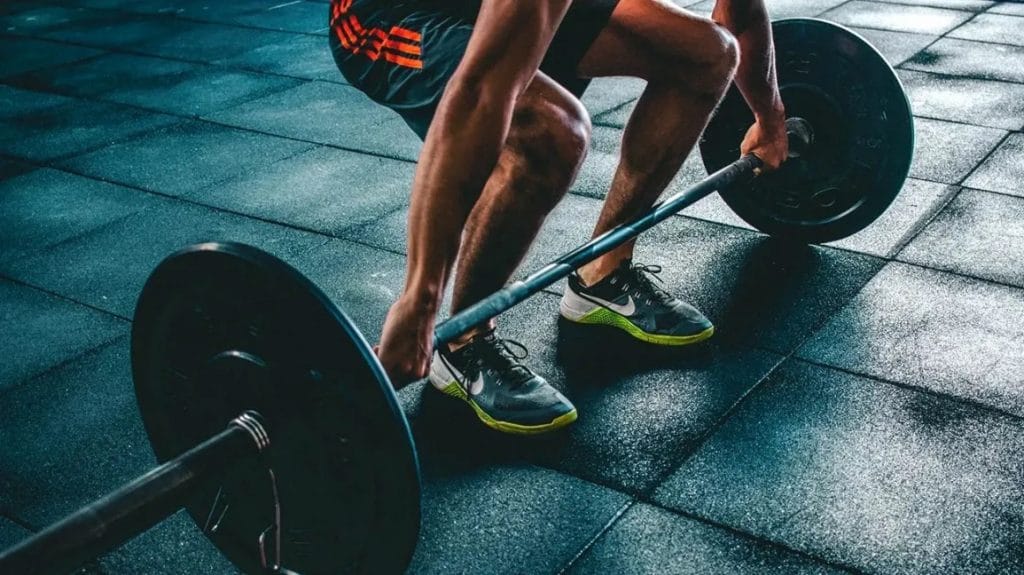
Another reason to incorporate cable pull-throughs into your routine is their potential to improve your performance in other compound exercises.
The squat and deadlift are two of the most effective movements for developing overall strength. However, both exercises require proper hip mechanics, lower-body coordination, and core stability.
The cable pull-through helps reinforce the hip hinge pattern, which is particularly important for performing deadlifts correctly.
By strengthening your glutes and hamstrings, you can develop muscles that contribute to hip extension during heavy lifts.
The exercise can also serve as an accessory movement for lifters looking to improve their posterior chain without adding another heavy barbell exercise to their routine.
While cable pull-throughs won’t automatically increase your squat or deadlift numbers, they can help develop the muscles and movement patterns involved in these lifts.
3. Easy to Learn and Incorporate Into Your Workout
Another advantage of the cable pull-through is that it’s relatively straightforward to learn. Unlike heavy deadlifts, which require considerable attention to technique and loading, cable pull-throughs allow you to practice the hip hinge movement with a manageable amount of resistance.
The cable machine also provides a controlled resistance profile, making it easier to focus on proper positioning and muscle engagement.
This makes the exercise useful for beginners learning proper hip hinge mechanics as well as experienced lifters looking for additional glute and hamstring training.
You can incorporate cable pull-throughs into a lower-body workout, posterior chain training session, or glute-focused routine.
Common Cable Pull-Through Mistakes to Avoid
Although the cable pull-through is relatively easy to learn, there are several common mistakes that can reduce its effectiveness.
Keep the following in mind when performing the exercise:
- Squatting Instead of Hinging: The cable pull-through is a hip hinge exercise, not a squat. Focus on pushing your hips backward rather than bending your knees excessively.
- Rounding Your Back: Maintain a neutral spine throughout the movement. Avoid allowing your lower back to round as you lower your torso.
- Using Too Much Weight: Excessive resistance can cause you to rely on momentum rather than properly engaging your glutes and hamstrings.
- Pulling With Your Arms: Your arms should primarily hold the rope attachment. Focus on extending your hips to move the weight.
- Hyperextending Your Lower Back: Finish each repetition by squeezing your glutes and standing tall. Avoid leaning backward or excessively arching your lower back.
Prioritizing proper technique over heavier weights will help you get more out of the exercise while reducing unnecessary strain.
How to Add Cable Pull-Throughs to Your Workout
Cable pull-throughs can be incorporated into several different training programs depending on your goals.
If you’re primarily interested in building muscle, try performing 3–4 sets of 10–15 repetitions. This provides a useful starting point for developing your glutes and hamstrings while maintaining control throughout the movement.
Here are some general programming recommendations:
- Muscle Growth: 3–4 sets of 10–15 repetitions.
- Strength Development: 3–4 sets of 8–12 repetitions using controlled, challenging resistance.
- Accessory Training: 2–3 sets of 12–15 repetitions after your primary compound lifts.
These are general guidelines rather than strict requirements. Adjust your training volume and resistance based on your experience, recovery, and overall workout program.
You can pair cable pull-throughs with exercises like Romanian deadlifts, hip thrusts, squats, and leg curls to create a well-rounded lower-body workout.
Final Thoughts
The cable pull-through might not be the most glamorous exercise in the gym, but it offers plenty of benefits for anyone looking to develop a stronger posterior chain.
By targeting your glutes and hamstrings, reinforcing proper hip hinge mechanics, and supporting overall lower-body strength, this exercise can be a valuable addition to your training program.
Whether you’re trying to build bigger glutes, strengthen your hamstrings, or improve your performance on squats and deadlifts, don’t overlook the cable pull-through.
Sometimes, the most effective exercises aren’t necessarily the ones that allow you to lift the heaviest weights. They’re the ones that help you build a stronger, more balanced physique over time.
Let us know what you think in the comments below. Also, be sure to follow Generation Iron on Facebook, Twitter, and Instagram.