Eat more, build muscle, but don’t get fat
If your goal is to build muscle mass, get stronger, and improve your physique, you’ve likely heard that you need to eat in a caloric surplus. While training provides the stimulus for muscle growth, nutrition supplies the raw materials your body needs to recover and build new muscle tissue.
Unfortunately, many people misunderstand what a caloric surplus actually means. Some assume they need to eat everything in sight, just consuming as many calories as possible, while others avoid increasing calories altogether because they’re afraid of gaining body fat.
The truth lies somewhere in the middle. A properly managed caloric surplus can help maximize muscle growth while minimizing unwanted fat gain. Understanding how a surplus works—and how to implement one correctly—can make a significant difference in your fitness journey.
Our team at Generation Iron is going to break it down.
What Is a Caloric Surplus?

A caloric surplus occurs when you consume more calories than your body burns throughout the day.
Your body uses calories to support basic functions such as breathing, digestion, hormone production, movement, exercise, and recovery. When you consume more energy than you expend, the excess calories can be used to support muscle growth and other anabolic processes.
For example:
- Maintenance calories: 2,500 calories per day
- Daily intake: 2,800 calories per day
- Surplus: 300 calories per day
In this example, the individual is consuming enough calories to support recovery, performance, and muscle growth while providing a modest surplus of energy.
Why a Caloric Surplus Is Important for Building Muscle
Many people focus exclusively on training when trying to gain muscle. While resistance training is essential, muscle growth is an energy-demanding process.
Building new muscle tissue requires:
- Amino acids from protein
- Energy from calories
- Hormonal support
- Adequate recovery resources
When calories are too low, the body often prioritizes survival and maintenance over growth.
A caloric surplus can help:
Improve Recovery
Extra calories provide energy for repairing muscle damage caused by training.
Increase Training Performance
Athletes often find they have more energy, strength, and endurance when eating enough calories.
Support Hormone Production
Adequate energy intake helps support hormones involved in muscle growth and recovery.
Maximize Muscle Protein Synthesis
Protein provides the building blocks for muscle, but energy from carbohydrates and fats helps drive the muscle-building process.
The Biggest Mistake: Dirty Bulking

One of the most common misconceptions in fitness is that gaining muscle requires eating massive amounts of food. This approach is often called “dirty bulking“, and is pretty popular within the fitness industry.
Examples include:
- Constant fast food meals
- Excessive desserts
- Hundreds or even thousands of calories above maintenance
- Ignoring body composition changes
While a large surplus can accelerate weight gain, the body can only build muscle at a limited rate. Excess calories beyond what is needed for growth are typically stored as body fat.
A larger surplus does not necessarily mean faster muscle growth.
In many cases, it simply means more fat gain.
What Does a Good Caloric Surplus Look Like?
For most people, a moderate surplus works best.
General recommendations include:
Beginners
250–500 calories above maintenance per day.
Beginners often experience faster rates of muscle growth and can utilize a slightly larger surplus effectively.
Intermediate Lifters
200–300 calories above maintenance.
As training experience increases, muscle growth slows and a more controlled surplus becomes beneficial.
Advanced Lifters
100–250 calories above maintenance.
Advanced trainees typically gain muscle at a slower rate and often benefit from a more conservative approach.
How Fast Should You Gain Weight?

While it is not the only factor that matters, the scale is an important tool during a muscle-building phase.
A good target for most natural lifters is:
Beginners
0.5–1.0 pound per week.
Intermediate Lifters
0.25–0.5 pounds per week.
Advanced Lifters
0.1–0.25 pounds per week.
If body weight is increasing much faster than these ranges, there’s a good chance that excess fat gain is occurring.
How to Build Muscle Without Getting Fat
One of the most common fitness goals is gaining muscle while keeping body fat under control.
This is often referred to as a “lean bulk.”
Keep the Surplus Small
The smaller the surplus, the easier it becomes to control fat gain.
A daily surplus of 200–300 calories is often enough to support muscle growth for many lifters.
Prioritize Protein
Protein is the most important macronutrient for muscle growth.
Most research suggests consuming:
- 0.7–1.0 grams of protein per pound of body weight daily
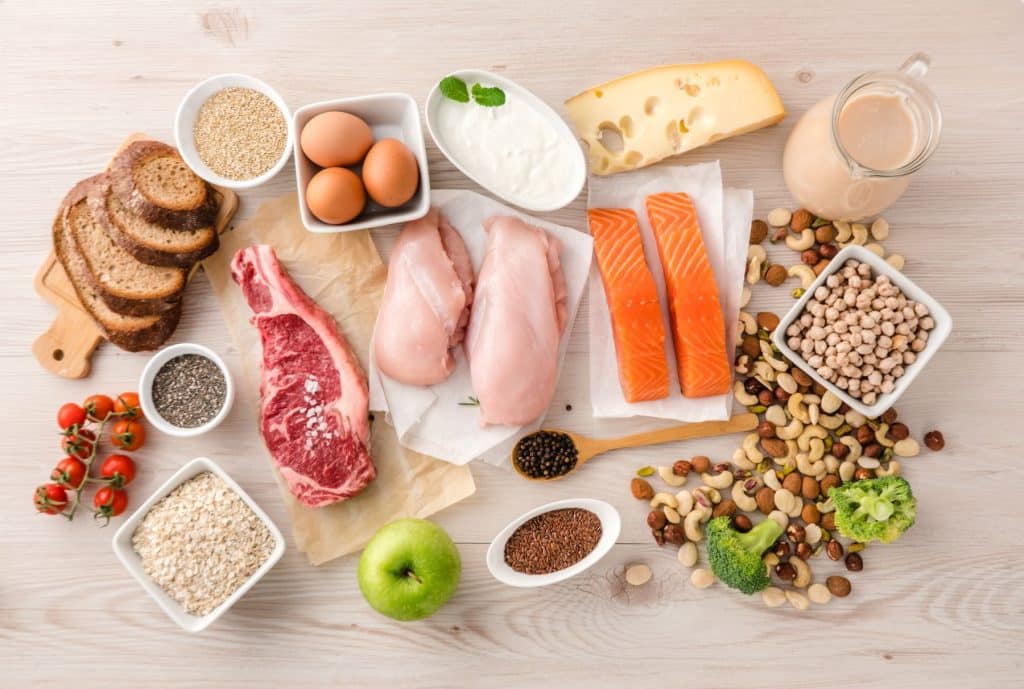
Good protein sources include:
- Lean beef
- Chicken breast
- Fish
- Eggs
- Greek yogurt
- Whey protein
- Cottage cheese
Focus on Nutrient-Dense Foods
A lean bulk should be built around quality nutrition rather than junk food.
Examples include:
- Fruits
- Vegetables
- Whole grains
- Potatoes
- Rice
- Oats
- Lean proteins
- Healthy fats
These foods provide vitamins, minerals, fiber, and sustained energy for training.
Continue Progressive Overload
A caloric surplus only works effectively if your muscles have a reason to grow. Progressive overload is your best friend when you are trying to gain weight without getting fat.
Focus on:
- Increasing weight lifted
- Performing more repetitions
- Improving training performance over time
Without progressive overload, additional calories are more likely to be stored as fat.
Monitor Body Composition
Don’t rely solely on the scale.
Track:
- Progress photos
- Waist measurements
- Strength levels
- Body weight trends
If your waist is growing significantly faster than your strength or muscle measurements, your surplus may be too large.
The Role of Carbohydrates During a Surplus
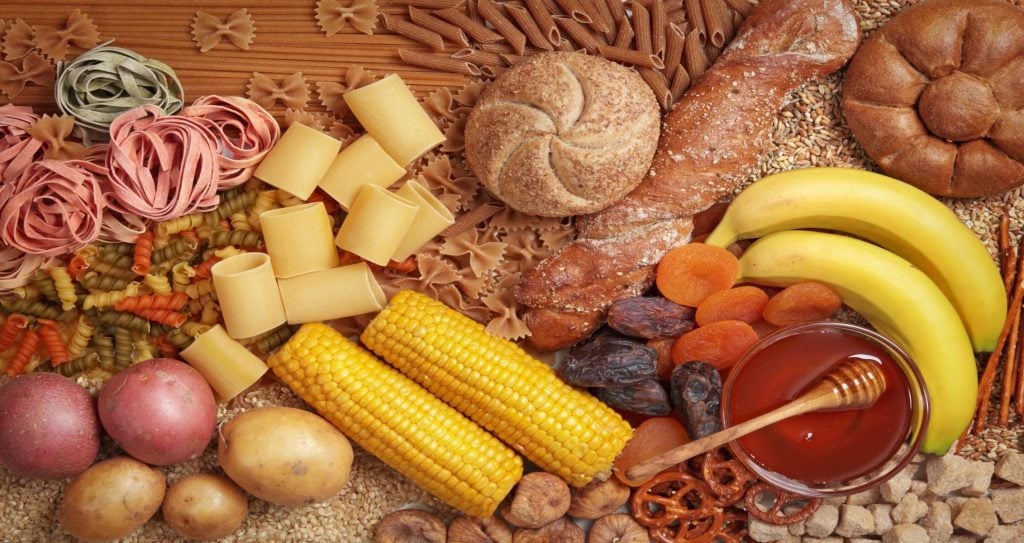
Carbohydrates often receive mixed opinions in the fitness world, but they play a critical role during a muscle-building phase.
Benefits include:
- Fueling workouts
- Replenishing glycogen stores
- Supporting recovery
- Improving training intensity
Many lifters notice better gym performance when carbohydrates are increased during a surplus.
Good carbohydrate sources include:
- Rice
- Oats
- Potatoes
- Fruit
- Whole grain breads
- Pasta
Don’t Neglect Healthy Fats
Dietary fat is important for:
- Hormone production
- Nutrient absorption
- Overall health
Good fat sources include:
- Avocados
- Nuts
- Seeds
- Olive oil
- Fatty fish
Most individuals should aim for approximately 20–35% of total calories from fat.
Signs Your Caloric Surplus Is Working
A properly managed caloric surplus often produces several positive indicators:
- Gradual increases in body weight
- Improved strength
- Better workout performance
- Enhanced recovery
- Increased muscle fullness
- Growth in muscle measurements
These signs suggest that your body is receiving the resources needed to support muscle growth.
Signs Your Caloric Surplus Is Too Large
If you’re gaining weight too quickly, consider reducing calories slightly.
Warning signs include:
- Rapid weight gain
- Significant increases in waist size
- Excessive body fat accumulation
- Feeling sluggish after meals
- Minimal strength gains despite large weight increases
Remember, muscle growth is relatively slow. Excessive weight gain rarely translates into pure muscle.
Final Thoughts
A caloric surplus is one of the most effective tools for building muscle, improving recovery, and maximizing gym performance. However, more calories aren’t always better.
The goal isn’t to gain as much weight as possible. The goal is to provide your body with enough energy to build muscle while minimizing unnecessary fat gain.
For most lifters, a moderate surplus of 200–500 calories per day, combined with adequate protein intake and progressive resistance training, offers the best balance between muscle growth and body composition.
By focusing on a lean bulk rather than a dirty bulk, you can make steady progress toward your fitness goals while keeping unwanted fat gain under control.
Let us know what you think in the comments below. Also, be sure to follow Generation Iron on Facebook, Twitter, and Instagram.
References
Helms, E.R., Aragon, A.A., & Fitschen, P.J. (2014). Evidence-Based Recommendations for Natural Bodybuilding Contest Preparation: Nutrition and Supplementation. Journal of the International Society of Sports Nutrition, 11(20).
International Society of Sports Nutrition. Jäger, R., Kerksick, C.M., Campbell, B.I., et al. (2017). International Society of Sports Nutrition Position Stand: Protein and Exercise. Journal of the International Society of Sports Nutrition, 14(20).
Morton, R.W., Murphy, K.T., McKellar, S.R., et al. (2018). A Systematic Review, Meta-analysis and Meta-regression of the Effect of Protein Supplementation on Resistance Training-Induced Gains in Muscle Mass and Strength in Healthy Adults. British Journal of Sports Medicine, 52(6), 376-384.