What Is the Best Time to Do Cardio?
Cardio and weight training are two of the most important components of a well-rounded fitness routine. Resistance training can help build muscle and strength, while cardiovascular exercise improves aerobic fitness, increases energy expenditure, and supports overall health.
But combining the two creates an important question: Should you do cardio before or after lifting?
For most people focused on building muscle, getting stronger, or maintaining performance in the weight room, doing cardio after lifting is generally the better option when both need to be completed in the same workout.
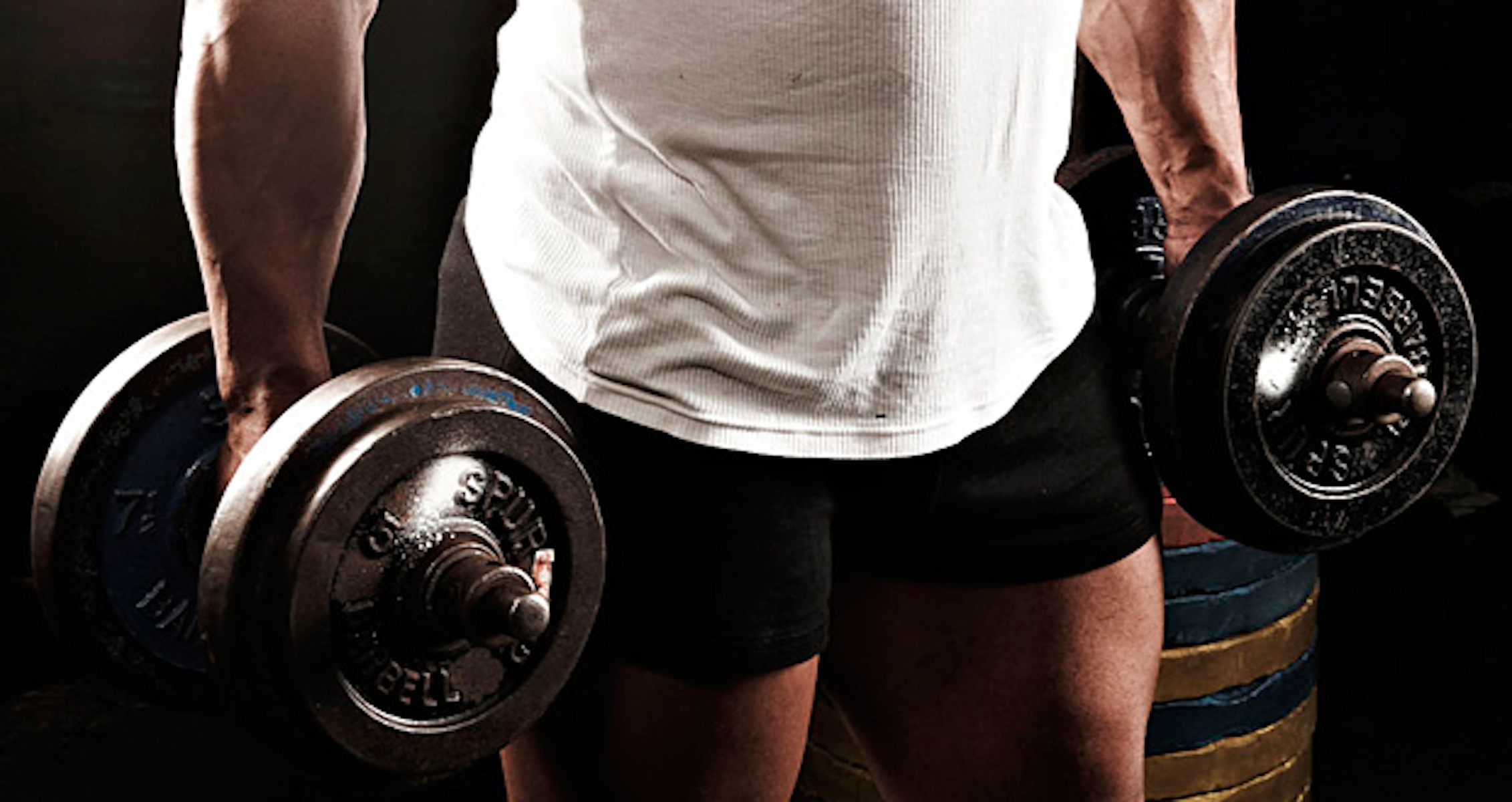
Doing your resistance training first allows you to approach your most demanding lifts with more energy. Cardio can then be performed afterward without potentially exhausting your legs or reducing your performance on heavy exercises.
However, the best time to do cardio ultimately depends on your primary goal.
Our team at Generation Iron is going to break down cardio after lifting, when to schedule your cardio sessions, and how to combine cardio and weight training without unnecessarily compromising your progress.
Should You Do Cardio Before or After Lifting?
The simplest way to decide whether to perform cardio before or after lifting is to ask yourself one question:
What is the primary goal of today’s workout?
If building muscle or increasing strength is your priority, lift first and perform cardio afterward.
If improving endurance, running performance, or cardiovascular conditioning is your primary objective, doing cardio first may make more sense.
Exercise order matters because fatigue from the first activity can influence performance during the second.
A hard run before squats, for example, may leave your legs fatigued before you ever touch the barbell. That can make it more difficult to maintain your normal training intensity, repetitions, or total volume.
For a bodybuilder trying to maximize resistance-training performance, that is usually not ideal.
Why Do Cardio After Lifting?
Performing cardio after weight training can provide several advantages, particularly for people whose primary goals are muscle growth and strength.
You Can Prioritize Strength Training
Building muscle requires progressively challenging your muscles through resistance training.
That means you want to enter the weight room capable of performing at a high level.
Imagine starting leg day with 45 minutes of hard running or cycling and then moving into heavy squats, Romanian deadlifts, leg presses, and lunges.
You can still complete the workout, but you’re beginning your most important lifts with accumulated fatigue.
Doing cardio afterward flips the order.
You can attack your resistance training while you’re fresh and then perform your cardiovascular work once your lifting is finished.
Better Performance on Compound Lifts
Exercises such as:
- Squats
- Deadlifts
- Bench presses
- Overhead presses
- Rows
- Pull-ups
require considerable strength, coordination, and focus.
If cardio significantly fatigues you beforehand, your ability to perform these exercises may suffer.
For lifters, preserving performance during compound movements is generally more important than being completely fresh for a moderate cardio session.
Cardio Still Gets Done
Doing cardio after lifting doesn’t eliminate its benefits. You can still accumulate cardiovascular training volume and increase total energy expenditure without placing it ahead of the portion of your workout that matters most for building strength and muscle.
For bodybuilders, this makes post-workout cardio an efficient way to combine both types of training in one gym session.
Does Cardio After Lifting Burn More Fat?

This is where things become more complicated. You may have heard that cardio after lifting automatically burns dramatically more body fat because resistance training has already depleted your glycogen stores.
While exercise order can affect which fuels your body uses during a particular workout, long-term fat loss still depends heavily on overall energy balance.
If your goal is getting lean, your total calorie intake, calorie expenditure, diet adherence, resistance training, activity level, and recovery matter more than trying to identify a magical cardio window.
Cardio after lifting can certainly contribute to a fat-loss program by increasing energy expenditure.
But don’t expect 20 minutes on the treadmill after lifting to somehow override consistently eating more calories than you expend.
Does Cardio After Lifting Hurt Muscle Growth?
This is one of the biggest concerns among bodybuilders. Combining endurance and resistance training is known as concurrent training, and researchers have spent decades investigating whether endurance exercise can interfere with strength and hypertrophy adaptations.
The answer depends heavily on how you structure your training.
A 20-minute incline walk after an upper-body workout is very different from running 10 miles immediately after a brutal leg session.
Factors that may influence the interference effect include:
- Cardio intensity
- Cardio duration
- Cardio frequency
- Type of cardiovascular exercise
- Total resistance-training volume
- Recovery between sessions
- Calorie and protein intake
- Overall training experience
For someone primarily interested in bodybuilding, the goal isn’t necessarily to avoid cardio. Instead, it’s to use an amount that complements your goals without creating excessive fatigue that compromises resistance training.
What Is the Best Cardio After Lifting?
There isn’t one perfect form of cardio for everyone.
Your choice should depend on your goals, conditioning level, recovery capacity, and the resistance-training session you just completed.
Incline Treadmill Walking

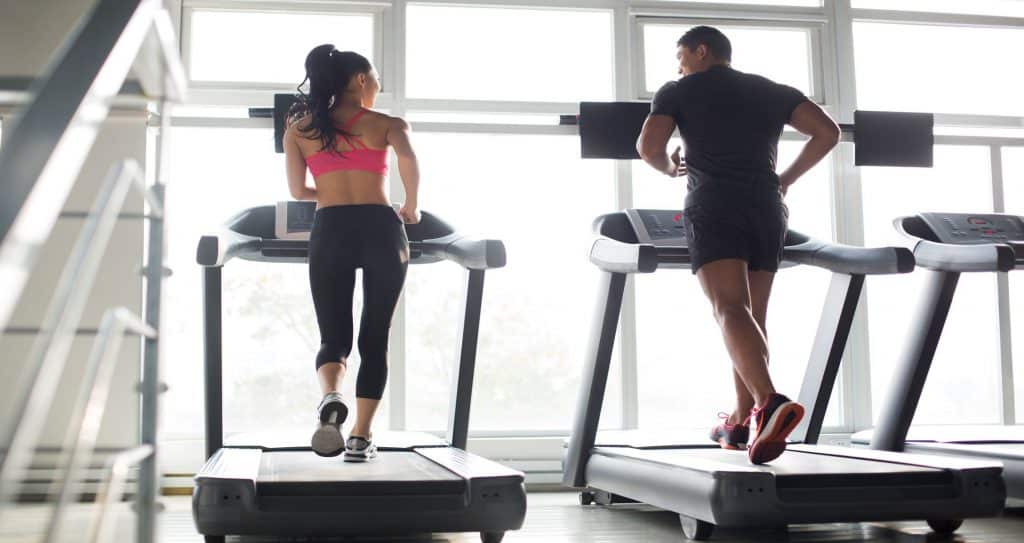
Incline walking on the treadmill is popular among bodybuilders because it can elevate heart rate without requiring the impact or intensity associated with hard running.
It can be particularly useful during a cutting phase when the goal is to increase calorie expenditure without turning every cardio session into another intense workout.
Stationary Bike

Cycling on a stationary bike provides another relatively low-impact option.
A stationary bike allows you to control resistance and intensity easily, making it useful for steady-state cardio following resistance training.
However, hard cycling after an intense leg workout can add substantial fatigue to your quads.
Stair Climber

The stair climber can provide a demanding cardiovascular workout while heavily involving the lower body.
It can be effective, but intensity matters. Spending an extended period aggressively climbing stairs after a high-volume leg workout may be more recovery demand than you actually need.
How Long Should You Do Cardio After Lifting?
There isn’t a universal number.
For many lifters, roughly 15–30 minutes of moderate cardio after lifting can be a practical starting point.
That doesn’t mean everyone needs exactly 20 or 30 minutes.
Someone preparing for a bodybuilding show may perform significantly more cardio as the contest approaches, while someone in a muscle-building phase may need considerably less.
Your cardio volume should reflect your goal.
For Muscle Building
Keep cardio sufficient to support cardiovascular fitness without allowing it to interfere substantially with resistance-training performance or recovery.
A few moderate sessions throughout the week may be enough.
For Fat Loss
Cardio volume can gradually increase when additional energy expenditure is needed.
However, diet should remain a major component of the fat-loss strategy rather than relying exclusively on increasingly long cardio sessions.
For Cardiovascular Fitness
If improving endurance is a major goal, dedicated cardio sessions may make more sense than simply adding a few minutes after every lifting workout.
Is It Better to Separate Cardio and Weight Training?
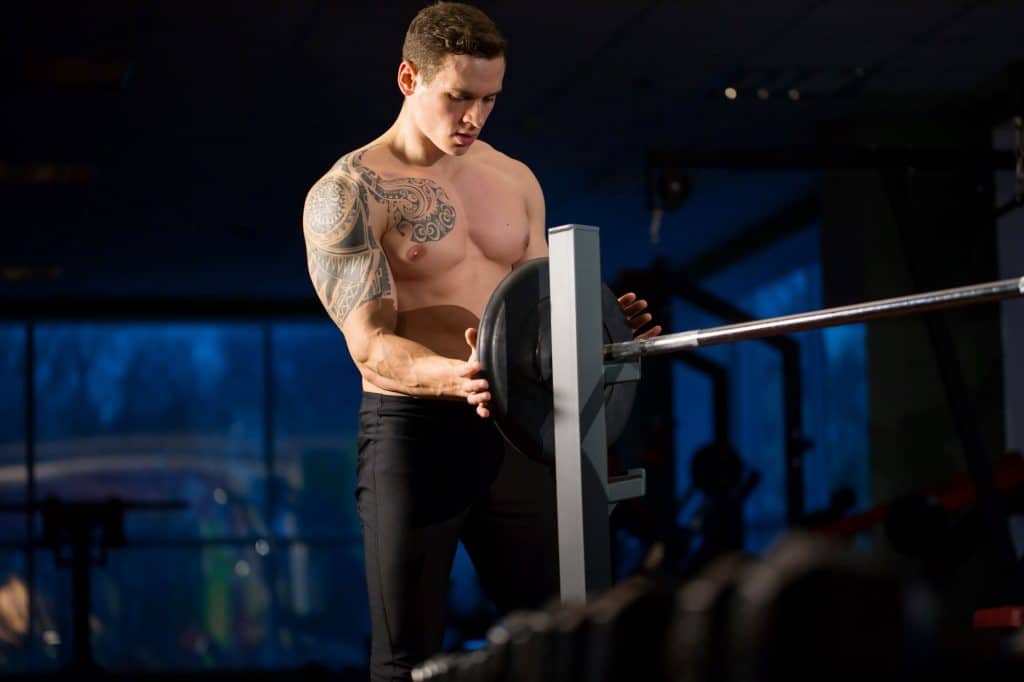
If your schedule allows it, separating demanding cardio and resistance training can be a useful strategy.
Instead of doing:
Weights → immediately into hard cardio
you could perform:
Morning → Cardio
Evening → Weights
Or you could schedule cardio and resistance training on entirely different days.
Separating the sessions gives you more time to recover and refuel between workouts.
This becomes particularly useful when you’re trying to improve both strength and endurance rather than simply using moderate cardio to support health or increase calorie expenditure.
What About Cardio Before Lifting?
Cardio before lifting isn’t automatically bad. A short, low-intensity warm-up can actually be useful before resistance training.
Five or 10 minutes of easy cycling, walking, rowing, or another activity can increase body temperature and prepare you to train without creating significant fatigue.
The problem occurs when your “warm-up” turns into a full cardio workout.
There is a major difference between walking for five minutes before squats and completing an exhausting 45-minute run.
If lifting performance is the priority, keep pre-workout cardio short and relatively easy.
When Should You Do Cardio on Leg Day?
Leg day deserves special consideration. Your lower body is already performing substantial work during exercises like squats, deadlifts, lunges, leg presses, and hack squats.
Adding intense cardio immediately afterward may significantly increase lower-body fatigue.
If you’re performing cardio after leg day, lower-intensity options may be more appropriate depending on your goals.
For example, you might choose a moderate incline walk rather than a brutal sprint interval session.
Another option is to move more demanding cardio to an upper-body training day or separate it from leg training entirely.
What About HIIT After Weight Training?
High-intensity interval training (HIIT) is very different from walking on a treadmill.
HIIT involves repeated periods of intense effort and therefore creates additional fatigue.
If you’re already performing demanding resistance training several days per week, repeatedly adding HIIT afterward can make recovery more difficult.
That doesn’t mean HIIT is bad.
It simply needs to be treated like real training, not an effortless cardio add-on.
Bodybuilders and strength-focused athletes should consider how HIIT affects their recovery, especially when it involves the same muscles they are training with weights.
Can You Do Cardio on Rest Days?
Yes, but the intensity matters. A rest day doesn’t necessarily require sitting on the couch all day. Low-intensity activity such as walking can be an easy way to stay active without creating another demanding training session.
More intense cardiovascular workouts are different.
If you’re performing a difficult run, HIIT workout, or extended cycling session, that isn’t necessarily a true rest day anymore.
The important consideration is whether the additional activity allows you to recover sufficiently before your next resistance-training session.
Best Time to Do Cardio for Muscle Growth
If muscle growth is your primary objective, a practical order of priority is:
- Resistance training first
- Cardio afterward if necessary
- Separate cardio from lifting when possible if the cardio session is particularly demanding
You don’t need to eliminate cardio while bulking or trying to build muscle.
Cardiovascular fitness can be beneficial for overall health and work capacity. The key is managing your cardio so that it doesn’t consistently reduce the quality of your resistance training.
Best Time to Do Cardio for Fat Loss
If your primary goal is losing body fat, the exact time you perform cardio becomes less important than your overall program.
Cardio can be performed:
- After lifting
- In the morning
- Later in the evening
- On non-lifting days
- In separate sessions
What matters most is finding a schedule you can consistently follow while maintaining a calorie deficit and continuing to resistance train.
Resistance training is particularly important during a fat-loss phase because the goal shouldn’t simply be losing weight — it should be losing fat while preserving as much lean mass as possible.
Best Time to Do Cardio for Endurance
If becoming a better runner, cyclist, swimmer, or endurance athlete is your primary goal, the recommendation changes.
Perform your priority activity when you’re freshest.
If you’re training specifically to improve your 5K time, for example, completing heavy leg training immediately before your key running workout probably isn’t the best approach.
In that situation, cardio isn’t supplemental anymore. It’s the primary training objective.
Cardio Before or After Weights: Which Is Better?
There isn’t a universal answer because exercise order should reflect your primary goal.
For bodybuilders and strength-focused lifters, weights generally deserve priority.
That makes cardio after lifting a practical choice.
For endurance athletes, cardio may deserve priority instead.
And for people simply training for general health, the difference may be less important than consistently performing both resistance and cardiovascular exercise.
Final Word: Should You Do Cardio After Lifting?
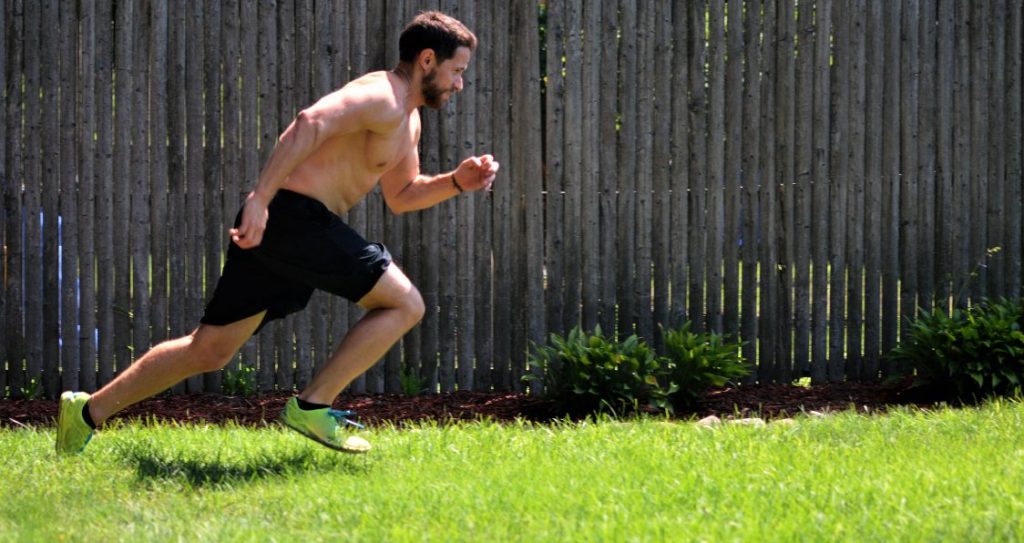
If building muscle and strength are your primary goals, cardio after lifting is generally the better choice when you need to perform both in the same session.
Doing weights first allows you to devote your energy and focus to resistance training before accumulating fatigue from cardio.
You can then perform moderate cardio afterward to support cardiovascular fitness, increase energy expenditure, or complement a fat-loss program.
However, cardio doesn’t always have to come immediately after lifting. If you’re performing demanding endurance training, separating your cardio and weight sessions can give you more recovery time and allow you to approach both workouts with greater intensity.
Ultimately, the best time to do cardio is determined by what you’re trying to improve most.
If muscle and strength come first, lift first.
If endurance comes first, prioritize cardio.
And if your primary goal is simply becoming healthier and fitter, focus less on finding the perfect cardio window and more on consistently getting both forms of exercise into your weekly routine.
Let us know what you think in the comments below. Also, be sure to follow Generation Iron on Facebook, Twitter, and Instagram.
References
- Wilson, J. M., Marin, P. J., Rhea, M. R., Wilson, S. M. C., Loenneke, J. P., & Anderson, J. C. (2012). Concurrent training: A meta-analysis examining interference of aerobic and resistance exercises. Journal of Strength and Conditioning Research, 26(8), 2293–2307.
- Schumann, M., Feuerbacher, J. F., Sünkeler, M., et al. (2022). Compatibility of concurrent aerobic and strength training for skeletal muscle size and function: An updated systematic review and meta-analysis. Sports Medicine, 52, 601–612.
- American College of Sports Medicine. ACSM’s Guidelines for Exercise Testing and Prescription. Guidance on aerobic exercise, resistance training, exercise programming, and physical fitness.
- World Health Organization. (2020). WHO Guidelines on Physical Activity and Sedentary Behaviour. Recommendations for aerobic and muscle-strengthening physical activity.