Which Burns More Fat?
When it comes to losing body fat, one of the most common fitness debates is cardio versus weight training. Walk into any gym and you’ll find one group spending hours on treadmills and another focused entirely on lifting weights. Both methods can help you lose fat, but they work in different ways.
So which is better for fat loss: cardio or weight training?
The answer isn’t as simple as choosing one over the other. Understanding how each form of exercise impacts calorie burn, metabolism, muscle retention, and body composition can help you create the most effective fat-loss plan possible.
Our team at Generation Iron is going to break it down.
Understanding Fat Loss

Before comparing cardio and weight training, it’s important to understand how fat loss occurs. Fat loss happens when you consistently burn more calories than you consume, creating a calorie deficit. Exercise contributes to this process by increasing energy expenditure, but not all workouts affect the body in the same way.
The goal shouldn’t simply be losing weight on the scale. The real objective is improving body composition by reducing body fat while maintaining or increasing lean muscle mass.
This is where the cardio versus weight training debate becomes interesting.
How Cardio Helps Fat Loss
Cardiovascular exercise is traditionally associated with weight loss because it burns calories during the workout itself.
Popular forms of cardio include:
- Running
- Cycling
- Swimming
- Rowing
- Stair climbing
- Walking
- Elliptical training
Benefits of Cardio for Fat Loss

Higher Immediate Calorie Burn
Cardio generally burns more calories during a single workout session compared to weight training.
For example:
- A 180-pound person may burn 600-900 calories during an hour of running.
- The same individual may burn 250-500 calories during a typical weight-training workout.
This higher immediate calorie expenditure can help accelerate fat loss when paired with proper nutrition.
Improved Cardiovascular Health
Cardio strengthens the heart and lungs while improving endurance and overall fitness.
Benefits include:
- Lower blood pressure
- Improved circulation
- Better insulin sensitivity
- Increased stamina
Easy to Scale
Walking, jogging, cycling, and other forms of cardio can be adjusted for nearly any fitness level.
The Drawbacks of Excessive Cardio
While cardio can be effective for fat loss, relying exclusively on it has potential downsides.
Muscle Loss During Weight Loss
When dieting aggressively, excessive cardio can contribute to muscle loss if resistance training and adequate protein intake are not included.
Muscle is metabolically active tissue that helps maintain calorie expenditure throughout the day.
Losing muscle may slow long-term progress.
Diminishing Returns
As your body adapts to cardio, calorie burn efficiency improves. While this is beneficial for performance, it can reduce the total calories burned compared to when you first started training.
How Weight Training Helps Fat Loss
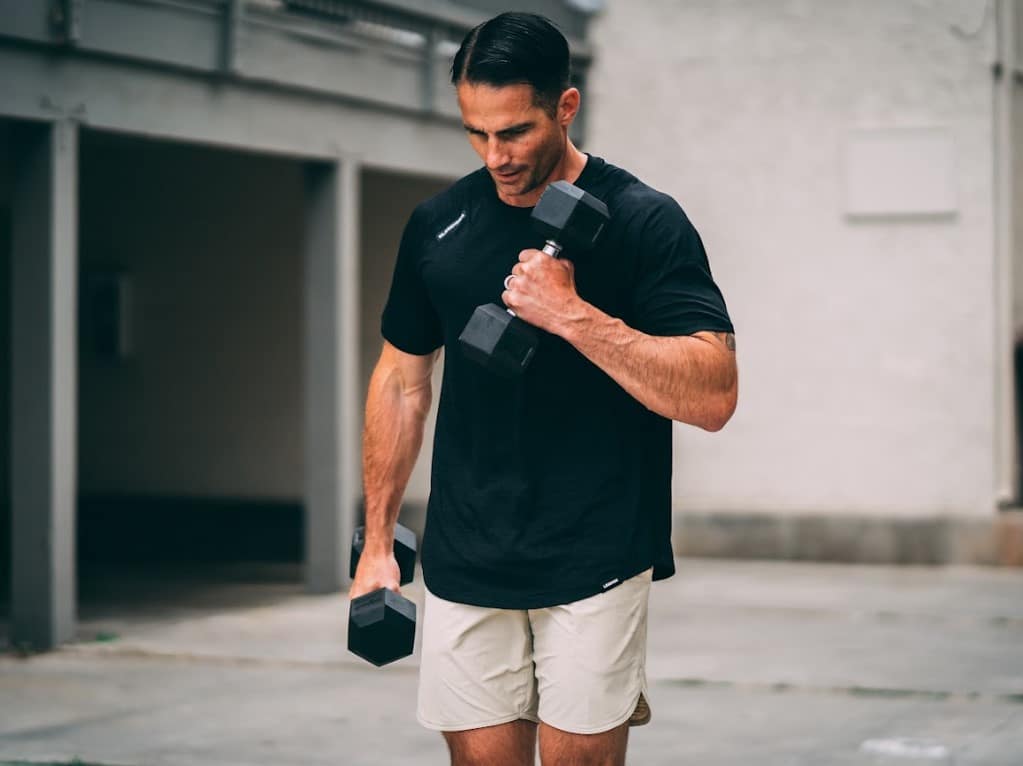
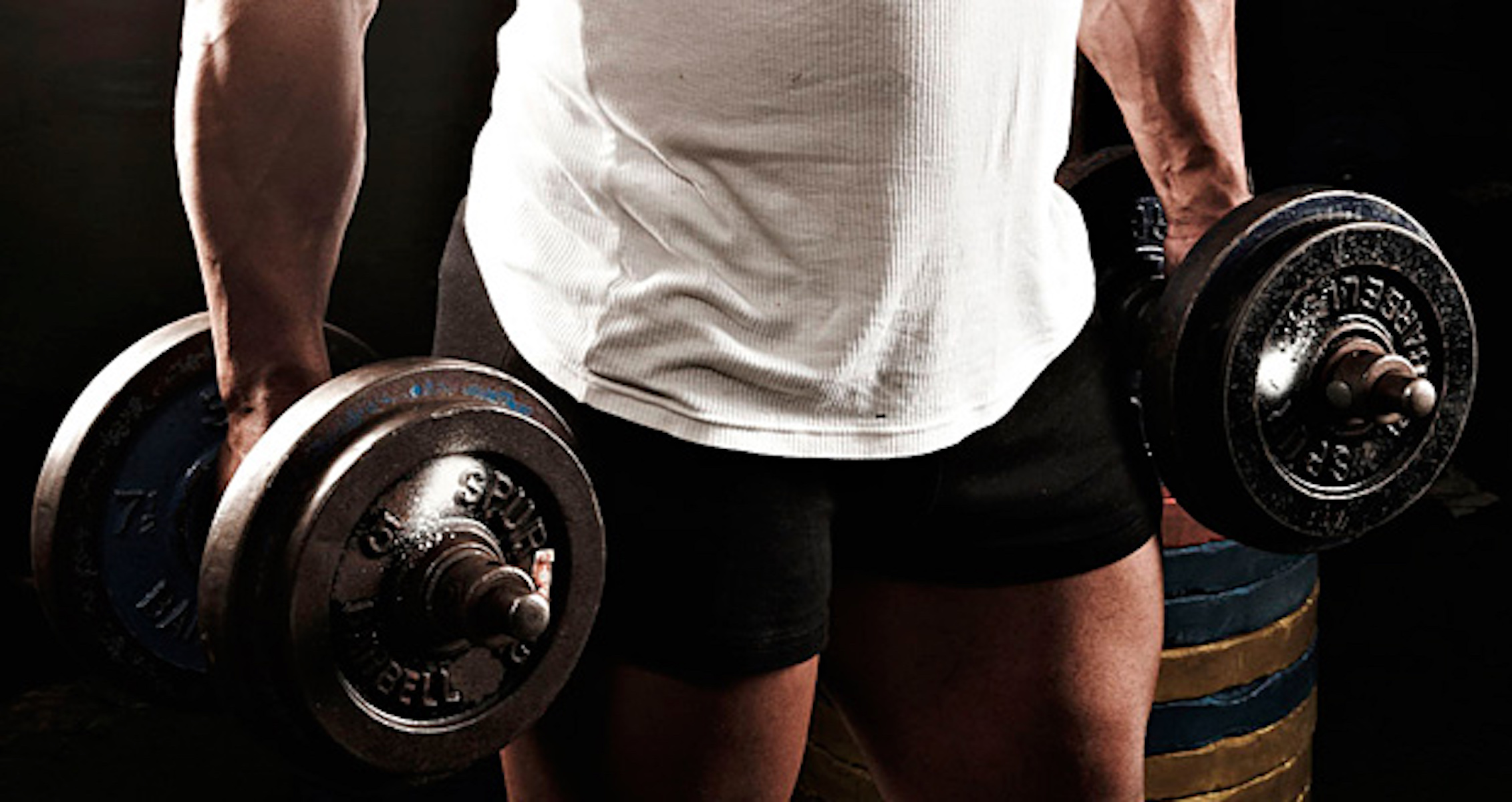
Weight training is often overlooked by people focused solely on weight loss, but it may be the most important form of exercise for improving body composition.
Strength training includes:
- Barbell exercises
- Dumbbell workouts
- Machine training
- Bodyweight resistance exercises
- Functional fitness movements
Benefits of Weight Training for Fat Loss
Preserves Lean Muscle Mass
One of the biggest advantages of lifting weights during a fat-loss phase is muscle retention.
Research consistently shows that individuals who resistance train while dieting maintain significantly more muscle mass than those relying solely on cardio.
Maintaining muscle helps create a lean, athletic appearance even as body fat decreases.
Increased Resting Metabolic Rate
Muscle tissue requires energy to maintain. The more lean muscle you have, the more calories your body burns throughout the day—even at rest.
While the metabolic effect isn’t massive, it adds up over time and supports long-term weight management.
Improved Body Composition
Many people who focus only on cardio lose weight but fail to achieve the toned look they desire.
Weight training helps shape the body by:
- Building lean muscle
- Improving muscle definition
- Enhancing strength
- Supporting healthier aging
The Afterburn Effect
Resistance training and high-intensity lifting sessions can increase post-exercise oxygen consumption (EPOC), commonly called the “afterburn effect.”
This means your body continues burning additional calories after the workout is complete as it repairs and recovers.
Cardio vs Weight Training: Which Burns More Fat?
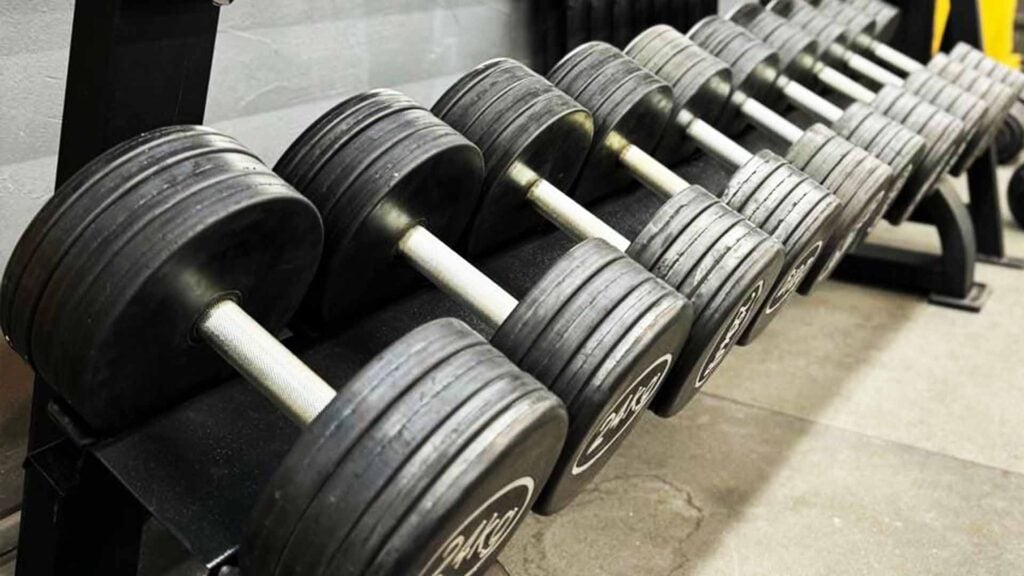
If we’re looking strictly at calories burned during a workout, cardio typically wins. If we’re looking at long-term body composition improvements, weight training often has the advantage.
Here’s a simple comparison:
| Factor | Cardio | Weight Training |
|---|---|---|
| Calories Burned During Workout | Higher | Moderate |
| Muscle Preservation | Lower | Higher |
| Strength Gains | Minimal | Significant |
| Resting Metabolism Support | Moderate | Higher |
| Cardiovascular Benefits | Excellent | Good |
| Body Composition Improvements | Good | Excellent |
The reality is that fat loss success depends on much more than calories burned during exercise.
Why Combining Cardio and Weight Training Works Best
For most people, the ideal fat-loss strategy combines both training methods. Weight training preserves muscle and improves body composition. Cardio increases calorie expenditure and supports heart health.
Together, they create a powerful fat-loss combination.
Sample Weekly Fat Loss Program
Monday
Upper Body Strength Training
Tuesday
30-45 Minutes Moderate Cardio
Wednesday
Lower Body Strength Training
Thursday
HIIT Cardio Session
Friday
Full-Body Strength Training
Saturday
Long Walk or Recreational Activity
Sunday
Recovery Day
This approach allows you to gain the benefits of both training styles while minimizing their limitations.
HIIT: The Middle Ground

High-Intensity Interval Training (HIIT) combines aspects of both cardio and resistance training.
HIIT workouts alternate short bursts of intense effort with recovery periods.
Benefits include:
- High calorie burn
- Time efficiency
- Cardiovascular improvements
- Muscle preservation compared to traditional steady-state cardio
For many individuals, HIIT serves as an effective bridge between cardio and strength-focused training.
The Role of Nutrition
No discussion about fat loss is complete without mentioning nutrition.
Even the most effective workout program cannot overcome a poor diet.
To maximize fat loss:
- Maintain a moderate calorie deficit
- Prioritize protein intake
- Consume nutrient-dense foods
- Stay hydrated
- Get adequate sleep
Training supports fat loss, but nutrition drives the majority of results.
Final Verdict
If your goal is simply burning the most calories during a workout, cardio comes out ahead. If your goal is achieving a lean, muscular physique while preserving strength and metabolism, weight training is the superior option.
For optimal fat loss, however, the debate shouldn’t be cardio versus weight training.
The most effective approach is combining both methods while maintaining a calorie-controlled diet. Cardio helps increase calorie expenditure, while weight training preserves muscle and improves body composition. Together, they create the foundation for sustainable, long-term fat loss success.
Let us know what you think in the comments below. Also, be sure to follow Generation Iron on Facebook, Twitter, and Instagram.
References
- American College of Sports Medicine (ACSM) Position Stands and Guidelines
- ACSM provides evidence-based recommendations on resistance training, cardiovascular exercise, and weight management.
- Physical Activity Guidelines for Americans, 2nd Edition
- Official U.S. guidelines outlining the benefits of aerobic activity and muscle-strengthening exercise for health and weight control.
- Centers for Disease Control and Prevention (CDC) – Physical Activity Basics
- Overview of how physical activity supports calorie expenditure, weight management, and overall health.