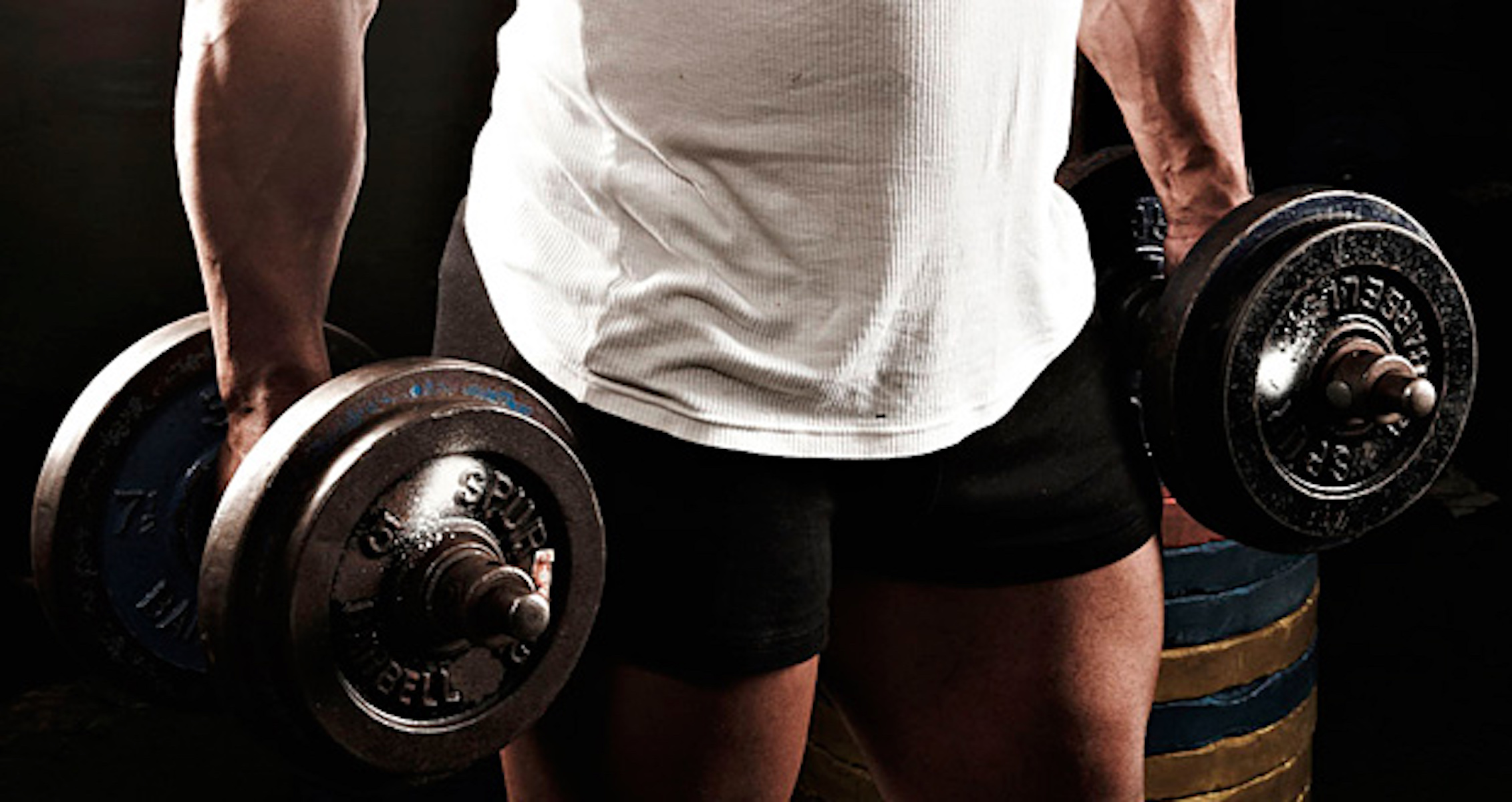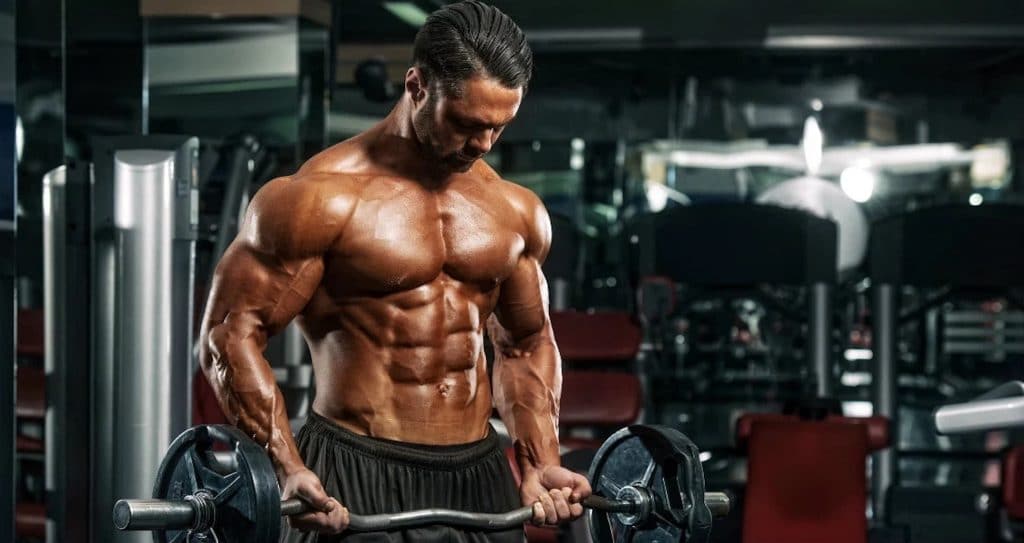
Cheat curls allow you to use heavier loads than standard biceps curls.
Arm curls are a fantastic exercise for isolating your biceps and strengthening the muscles in your upper arms. Incorporating them into your routine can improve your performance in other workouts and help you enhance the overall appearance of your arms.
The classic biceps curl is the most well-known variation, primarily targeting the biceps brachii — the prominent muscles on the front of your upper arms (1). However, there’s a lesser-known arm curl variation that can take your training to the next level by engaging additional muscles and maximizing arm strength and development. This variation is known as the cheat curl.
While some may argue they aren’t a traditional form of arm curling, cheat curls offer unique benefits to the standard arm curls. In this article, we’ll explore how this powerful exercise can elevate your strength and muscle-building potential.
Overview — What Is the Cheat Curl?
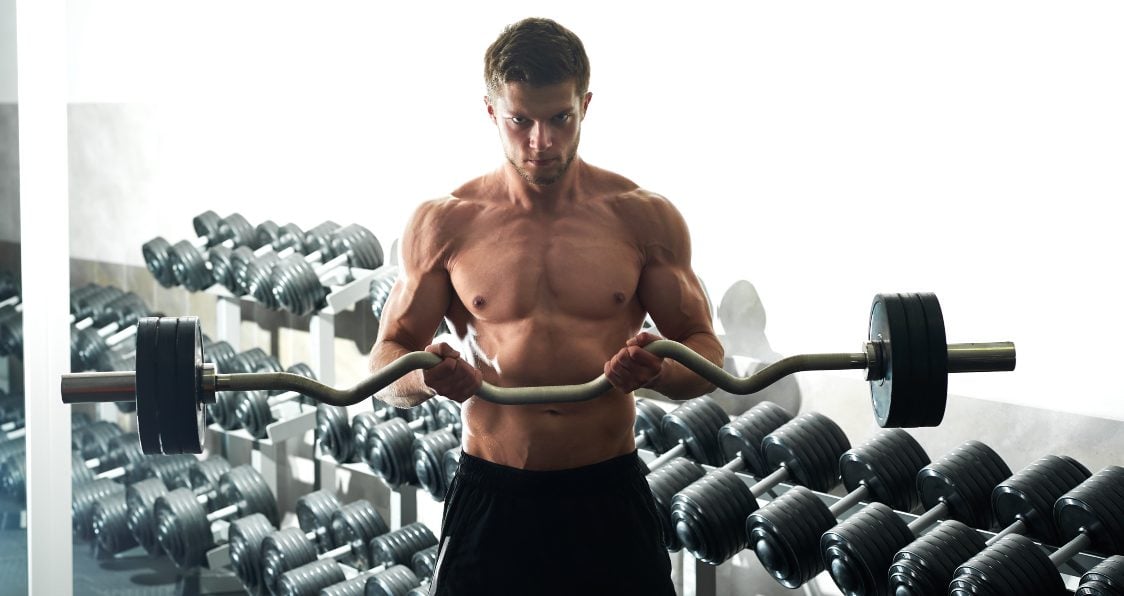
The cheat curl is a variation of the traditional biceps curl, though it’s technically not an isolated movement. It uses similar weight equipment, such as dumbbells, barbells, cable machines, or resistance bands.
Incorporating the cheat curl into your routine takes your arm training to the next level. While the traditional biceps curl solely isolates your biceps, the cheat curl uses momentum to work your arms and other muscle groups.
The momentum used during this routine allows you to handle more weight than you could originally, which is beneficial for increased muscle activation. This concept introduces cheat reps, an effective way to increase the intensity of your workouts. However, the goal of the cheat curl isn’t just to work your biceps; it works other important muscles, which we’ll see below.
Cheat Curl — Muscles Worked
Though the cheat curl primarily works the biceps muscles, which we have extensively talked about, here are some other muscle groups this exercise targets:
The forearms are essential for gripping, especially when curling heavier weights than normal. Other muscle groups, such as the shoulders, traps, erector spinae, and specific lower body muscles, help stabilize the movement, especially when momentum is involved.
How to Do the Cheat Curl
When doing cheat curls, you use heavier weights than with regular bicep curls; however, as a beginner, start with only small amounts of cheating (using momentum) to avoid injury. As your arms get tired, you can increase your momentum. Here’s how to approach this routine using a barbell.
- Grab a barbell using a reverse grip and adjust it to a shoulder-width length.
- Let the bar hang just below your hips and engage your core muscles with a slight bend in your knees.
- Keep your back straight, hinge forward with your hips, and pull your shoulders down and back. This is your starting position.
- Next, initiate the movement by driving your hips forward and standing straight. This will cause you to use momentum to curl the bar to your shoulders.
- At the top of the movement, get a good squeeze from your biceps and hold for about one to two seconds.
- Now, when returning the weight to the starting position, it is essential to engage your biceps and slowly control the weight during the lowering phase. Keep lowering the bar until your arms are fully extended.
Benefits
There is a lot to gain when you incorporate cheat curls into your training, which we explore in detail below.
Building Bigger Arms
Yes, the cheat curl is an excellent arm curl variation that primarily works the arms. However, instead of just isolating the arms, it also engages other muscle groups, such as the deltoids, back, and even some lower body muscles. Three-time Olympia winner and bodybuilding icon Frank Zane recommends using cheat curls to target the front delts more effectively than regular biceps curls.
Good for Overloading
If you’re looking to lift heavier than you would when doing a biceps curl, then cheat curls are the answer. Lifting heavy during a cheat curl allows you to recruit more muscle groups and build stronger and more muscular biceps. It also leads to increased muscle activation for better growth.
Great Alternative Routine
Regularly training with biceps curls can get monotonous, leading to a boring workout experience. This can impact your training goals and cause you to lose motivation. The cheat curl offers an excellent alternative for mixing up your arm training routines. This study demonstrates that varying your routines can lead to superior muscle hypertrophy and strength gains (2).
More Grip Activation
Performing the cheat curl requires more weight than other arm-curling routines. Heavier load equals more grip strength. You’ll notice this activation especially during the lowering phase of the lift. During lifts, your grip helps stabilize the weights, resulting in a more beneficial workout.
Getting the Most From Cheat Curls
There is a common misconception among most athletes and bodybuilders that cheat curls are merely a lazy way to perform arm curls. However, they are equally effective for building strong and better arms, and more effective for recruiting additional muscle groups.
If you regularly do biceps curls, the cheat curl is an effective way to change up your arm-building workout while still getting the maximum benefits it offers. Cheat curls allow you to load more weight than you would ordinarily allow with a regular arm curl, yielding more strength and muscle gains.
To get the most from your cheat curl experience, you can combine them with strict curls for explosive arm development. Strict curls help isolate the biceps under strict form for more rounded arm development.
Follow Generation Iron on Instagram, Facebook, and Twitter for more exercise routines!
References
- Coratella, G., Tornatore, G., Longo, S., Toninelli, N., Padovan, R., Esposito, F., & Cè, E. (2023). Biceps Brachii and Brachioradialis Excitation in Biceps Curl Exercise: Different Handgrips, Different Synergy. Sports (Basel, Switzerland), 11(3), 64. https://doi.org/10.3390/sports11030064
- Kassiano, W., Nunes, J. P., Costa, B., Ribeiro, A. S., Schoenfeld, B. J., & Cyrino, E. S. (2022). Does Varying Resistance Exercises Promote Superior Muscle Hypertrophy and Strength Gains? A Systematic Review. Journal of strength and conditioning research, 36(6), 1753–1762. https://doi.org/10.1519/JSC.0000000000004258