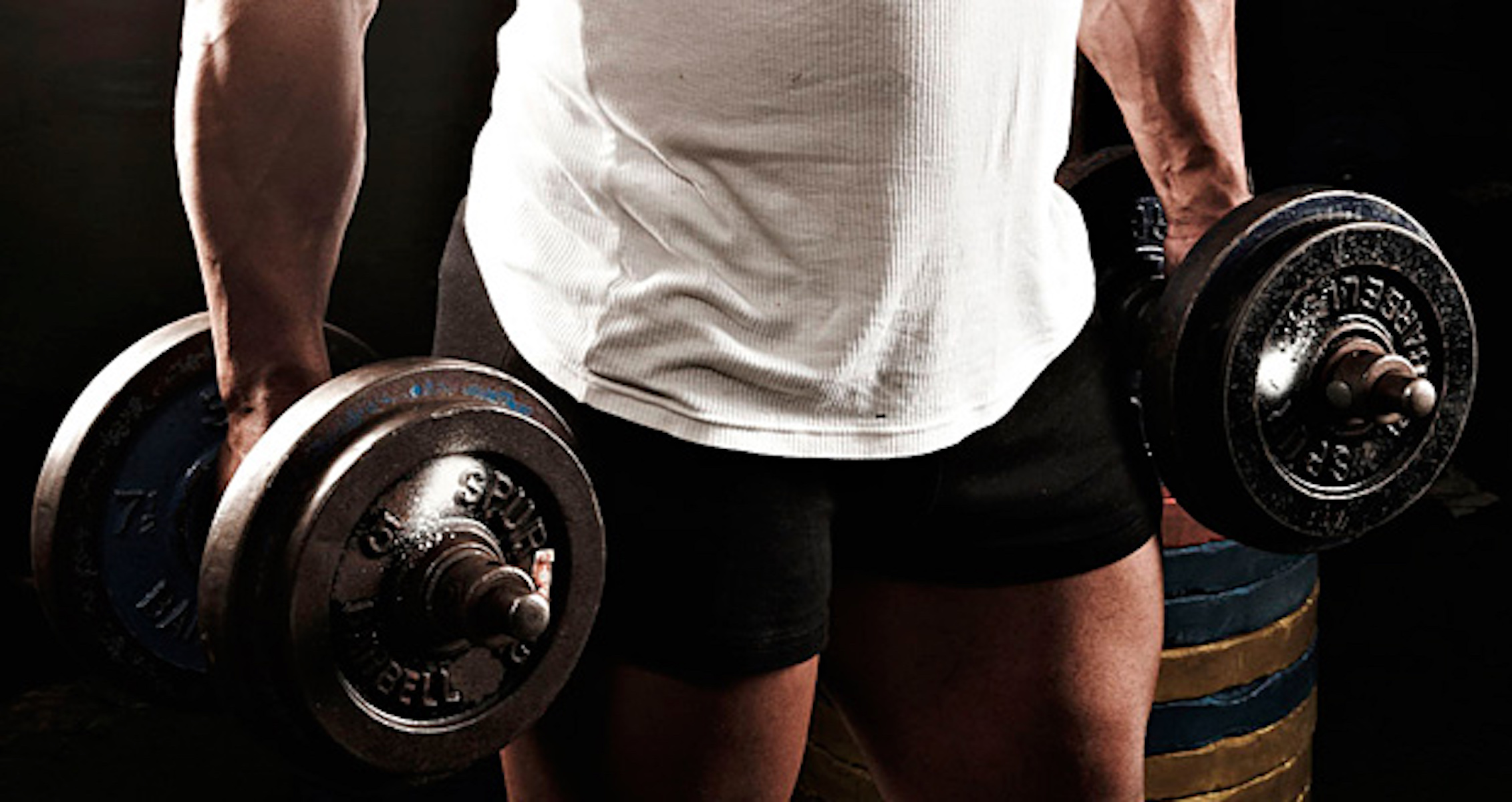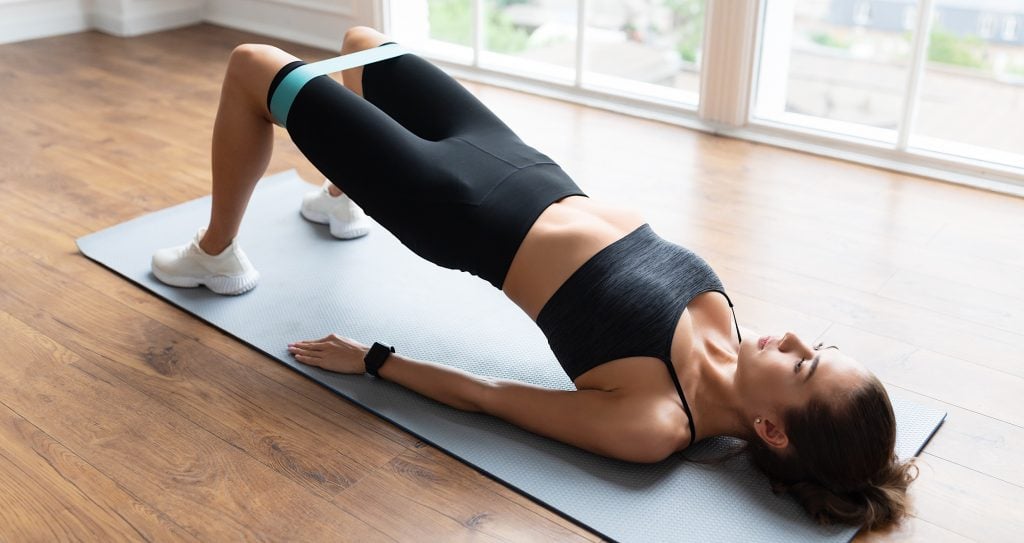
Hip extensions are a powerful movement to strengthen your posterior chain.
Your hips are often overlooked during workouts, but neglecting them can have serious consequences. The hips play a crucial role in movements like deadlifts, squats, and core-building exercises. Beyond the gym, they’re essential for everyday activities such as walking, sprinting, climbing stairs, and even getting out of bed or a chair.
Incorporating hip extensions into your routine is crucial for strengthening the muscles that control hip movement and supporting the hip joint itself. This article examines the significance of hip extensions in your exercise regimen. We’ll explore the benefits of the muscles they target and provide practical exercises to get you started. Let’s dive in!
Overview — What Are Hip Extensions?
Hip extensions are exercise routines that focus on the hips and their surrounding muscles. This happens when you work your hip joints so that the angle between your thighs and pelvis increases. One can engage the hip joints by moving their legs backward while using the hip extensors to push their body forward. This is applied in various movements, such as walking, running, or bringing your leg back to kick a ball during a soccer game.
Interestingly, hip flexion is when the angle between your thighs and your pelvis decreases. Many movements, including squatting, sitting, and kicking a football, utilize this principle. Moreover, a strong hip hinge, required in bent-over rows, for example, relies on hip flexion.
Hip Extensions — Muscles Worked
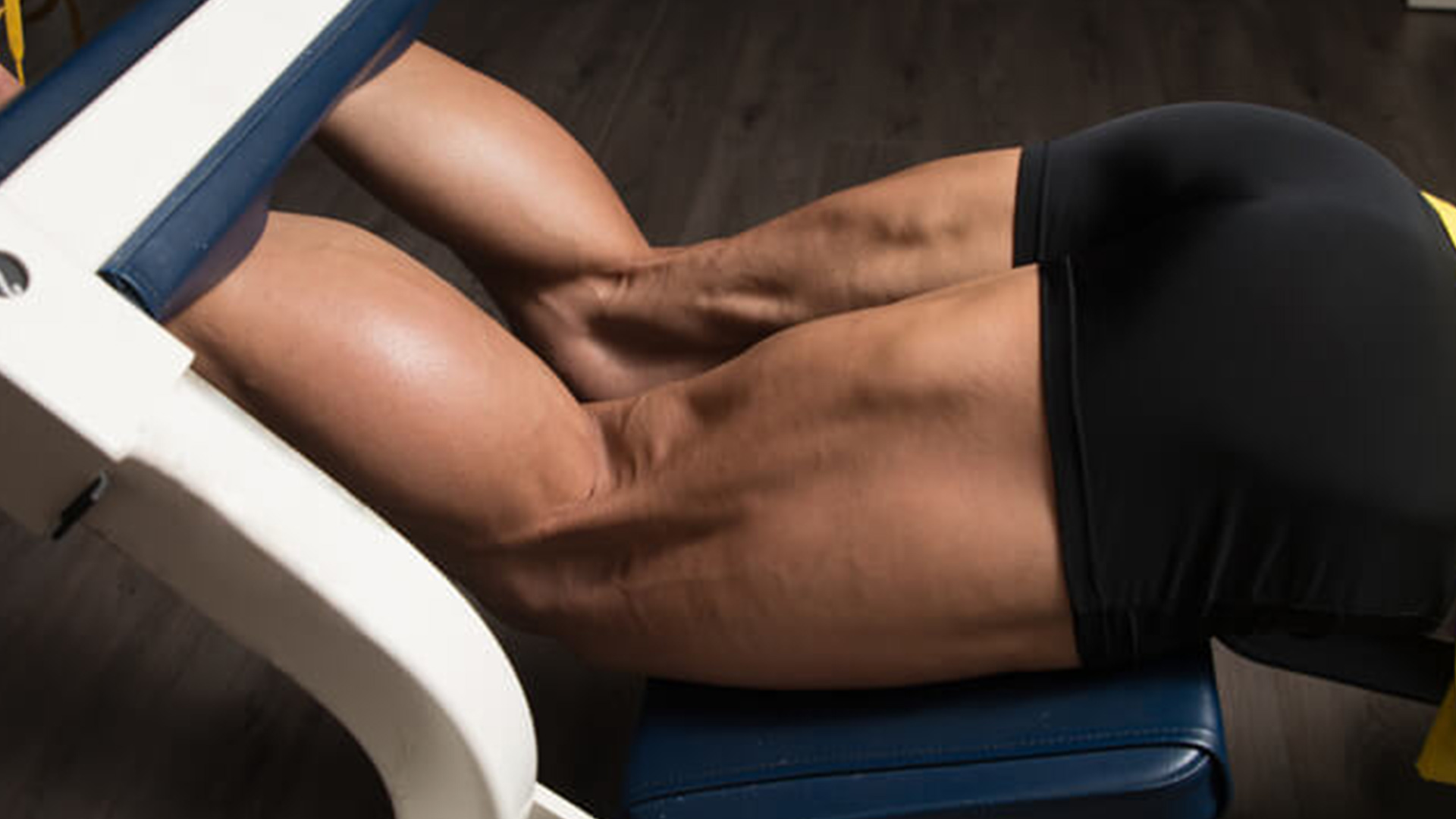
Hip extensions recruit three major muscles:
- The Glutes
- The Hamstrings
- Adductor Magnus
These three muscles work together to stabilize the pelvis and propel the body during activities such as running, walking, climbing stairs, and getting up from a chair. The glutes are the primary movers when performing hip extensions. They are the largest muscles in your gluteal region and help extend your thighs at your hip joint, which is essential for daily activities (1).
The hamstrings and glutes work together to extend the hips, allowing for movements such as walking and sprinting. These hamstrings consist of three muscles: the biceps femoris, the semitendinosus, and the semimembranosus (2).
You can find the adductor magnus in the inner part of your thighs, and its posterior head plays a vital role in hip extension (3).
Benefits
The hips are an often overlooked part of bodybuilding. However, working your hips offers many benefits, some of which are listed below.
- It strengthens the muscles around your hips, which enhances your hip extension. These muscles are the hamstrings, glutes, and the adductor magnus. Strengthening these muscles helps prevent injuries, such as lower back pain, and improves your overall quality of life (4).
- Hip extensions enhance hip mobility, which in turn improves athletic performance. It improves your form of activities like jumping, running, kicking, and other explosive movements.
- They help improve core stability, which is crucial for maintaining proper posture and form during various exercises.
- Regularly performing hip extension exercises can improve your range of motion and mobility in your hip joints.
Top 5 Hip Extension Workouts
Now we understand the role of our hips and how they function in our everyday lives, what effective exercises can one do to improve the hip joints and their surrounding muscles? Here are five prime exercises you can do to strengthen these muscles. For the sake of variety and convenience, we have included both weight training and bodyweight routines you can do.
Donkey Kicks
The first exercise on our list is the donkey kick. They are bodyweight movements, but you can load them up with extra resistance using bands, dumbbells, kettlebells, or even a Smith machine. Donkey kicks are hip extension exercises that primarily target the glutes and improve hip joint mobility.
How To Do Donkey Kicks
- Start on all fours with your palms and knees on the floor.
- Keep your hands aligned with your shoulders and your knees in line with your hips. This is your starting position.
- Next, squeeze your glutes and raise your heel, pointing your sole towards the ceiling while keeping a 90-degree bend at the knees.
- Pause at the top of the movement for about two to three seconds and slowly return your knees to the starting position.
- Repeat this movement for as many repetitions as possible, then switch to the other side to perform the same movement.
Glute Bridges
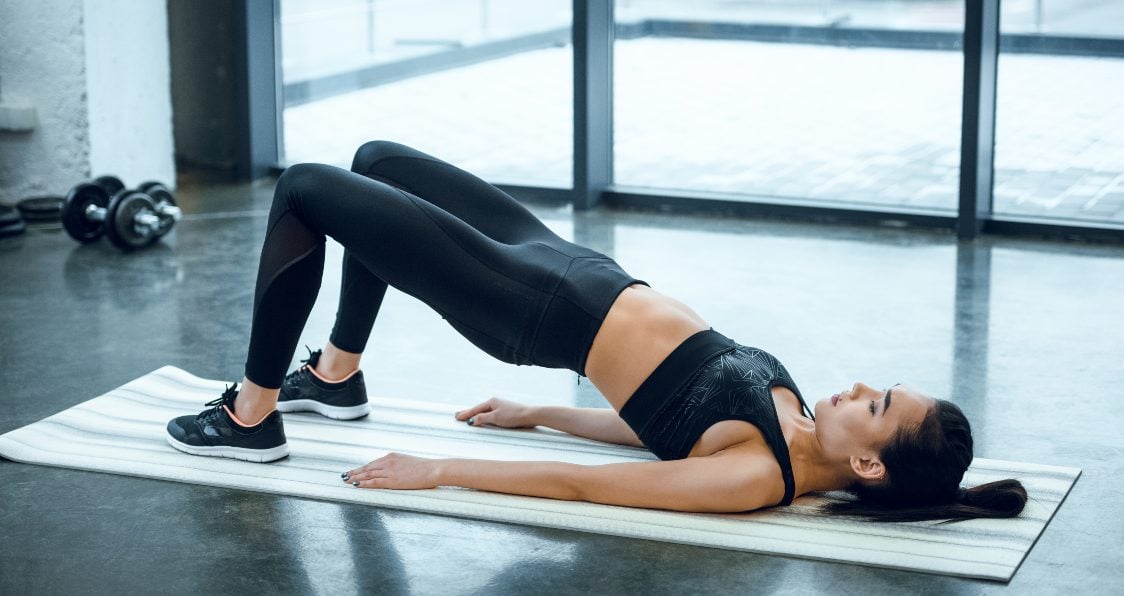
Glute bridges, as the name suggests, primarily work the gluteal muscles. They are excellent and convenient for beginners looking to open up their hips. Because they’re bodyweight movements, you can do this anywhere as long as you have adequate floor space.
How To Do Glute Bridges
- Lie flat on your back with your arms at your sides, ensuring your knees are bent and your feet are flat on the floor. Keep your feet at a hip-width distance. This is your starting position.
- Next, engage your core muscles, squeeze your glutes, and press your heels into the ground. Ensure you’re lifting high enough for your body to be in a straight line from your knee to your shoulder.
- At the top of that position, hold for about two to three seconds, and slowly lower your hip to the floor.
- Perform this exercise for as many repetitions as possible.
Stiff-Leg Deadlifts
Deadlifts are weight-training exercises that target your posterior chain muscles. However, stiff-leg deadlifts mainly target the hips because the knees remain locked in a bent position. You’ll require a lot of hip hinge to perform this exercise. You can also do these deadlifts unilaterally if you’re looking to focus on each side of your hip joints for better mind-muscle connection. This is effective for better strength and muscle growth.
How To Do Stiff-Legged Deadlifts
- Stand with your feet at a hip-width distance while your shins are close to the barbell.
- Hinge at your hips until your torso is almost parallel to the floor, and grab the bar using an overhand grip. This is your starting position.
- Keep a straight back, engage your core muscles, and squeeze your shoulder blades as you lift the bar until it is locked out.
- Hold in this position for about two to three seconds and slowly return the bar to the starting position.
Walking Lunges
Walking lunges work your glutes and the muscles in your front thighs (quads), calves, and hamstrings. You can load them up with more challenging weights to get more benefits from this exercise.
How To Do Walking Lunges
- Stand straight with your feet at hip-width length and place your arms at your waist.
- Take a big step forward and bend both knees until your back knee is almost at a 90-degree angle and your front thigh is nearly parallel to the floor.
- Hold this position for about two to three seconds and push with your back leg into your next lunge.
- Repeat this for as many reps as possible.
Smith Machine Hip Thrusts
The Smith machine hip thrust works your hips, glutes, and lower back muscles. This machine also provides stability during your workouts, reducing the chances of injury.
How To Do Smith Machine Hip Thrusts
- Set up the equipment by putting the bench behind the Smith machine.
- Sit on the floor while your upper back is on the bench and the barbell is on your hips.
- Keep your feet at shoulder-width apart with the knees bent.
- Next, push your hips up until your thighs are parallel to the floor.
- Hold on at the top of the movement and squeeze the glutes for about two to three seconds.
- Finally, slowly lower your hips to the starting position.
Follow Generation Iron on Instagram, Facebook, and Twitter for more exercise guides!
References
- Macadam, P., & Feser, E. H. (2019). EXAMINATION OF GLUTEUS MAXIMUS ELECTROMYOGRAPHIC EXCITATION ASSOCIATED WITH DYNAMIC HIP EXTENSION DURING BODY WEIGHT EXERCISE: A SYSTEMATIC REVIEW. International journal of sports physical therapy, 14(1), 14–31.
- Yanagisawa, O., & Fukutani, A. (2020). Muscle Recruitment Pattern of the Hamstring Muscles in Hip Extension and Knee Flexion Exercises. Journal of human kinetics, 72, 51–59. https://doi.org/10.2478/hukin-2019-0124
- Jeno, S. H., Launico, M. V., & Schindler, G. S. (2023). Anatomy, Bony Pelvis and Lower Limb: Thigh Adductor Magnus Muscle. In StatPearls. StatPearls Publishing.
- Buckthorpe, M., Stride, M., & Villa, F. D. (2019). ASSESSING AND TREATING GLUTEUS MAXIMUS WEAKNESS – A CLINICAL COMMENTARY. International journal of sports physical therapy, 14(4), 655–669.