Chris Bumstead Reveals Possible Grade 1 Triceps Tear, Still Grinds Through Intense Arm Workout
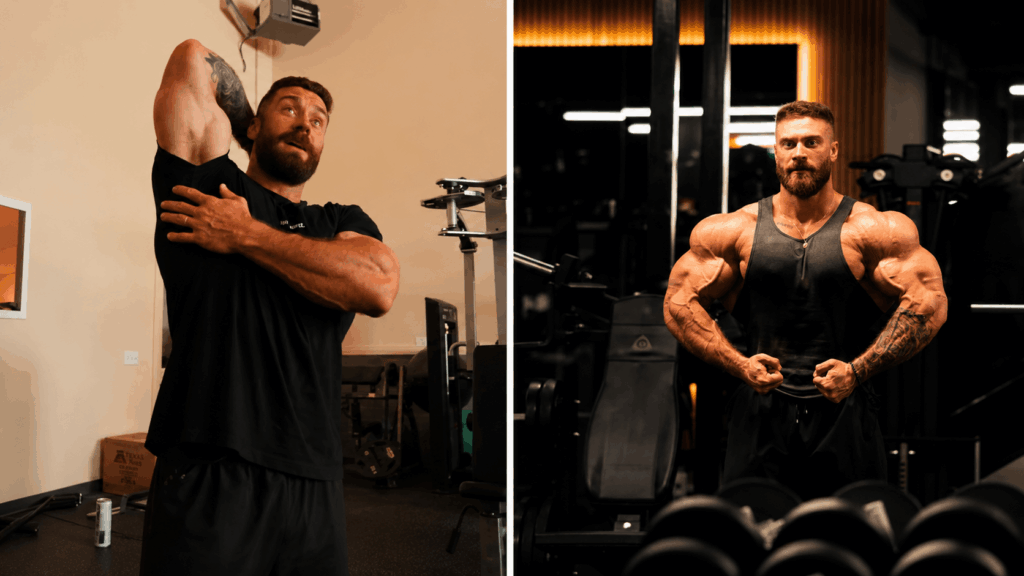
Six-time Classic Physique Olympia champion Chris Bumstead is revealing he may have suffered a minor triceps tear, but that hasn’t stopped him from getting after an intense arm workout. In a recent training video, Bumstead opened up about the injury, explaining how a combination of poor sleep, dehydration, and stress may have contributed to the setback while also sharing a high-volume arm day focused on maintaining muscle growth.
While the injury does not appear to be serious, it serves as a reminder that even the most accomplished bodybuilders can find themselves sidelined when recovery begins to slip.
Chris Bumstead Explains How the Injury Happened
Bumstead revealed that the injury occurred roughly a week before filming while he was performing bent-over rows. According to the former Classic Physique king, the circumstances surrounding the injury followed a familiar pattern.

“Every single time I’ve ever injured myself, it’s been the same thing. It’s lack of sleep, high stress, dehydrated.”
Initially, the discomfort seemed minor. However, things quickly changed during a subsequent set.
“The next set… I felt this velcro-like feeling.”
Despite the alarming sensation, Bumstead does not believe he suffered a major tear.
The Canadian bodybuilding star explained that some movements remain painful, particularly overhead exercises and explosive throwing motions, while other actions such as flexing the muscle are relatively comfortable.
Bumstead also outlined his recovery strategy, which includes tissue work, mobility work, proper nutrition, and avoiding complete inactivity while the area heals.
Chris Bumstead’s High-Volume Arm Workout
Even while managing the injury, Bumstead continued training with a substantial amount of volume for both biceps and triceps.
Workout Breakdown
Biceps
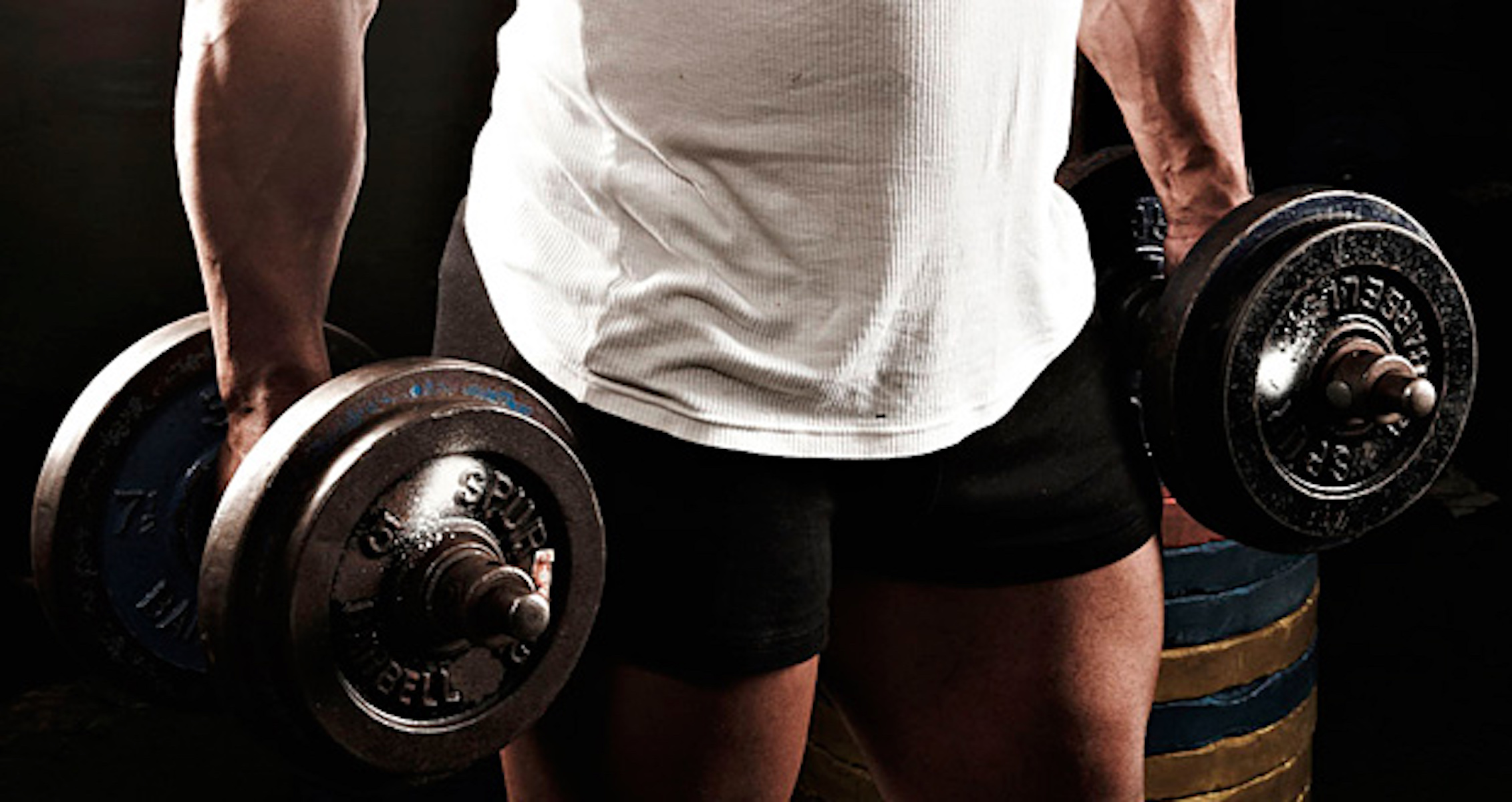
- Laying dumbell curls with deep stretch
- Dumbbell Curls, slow reps followed by cheating reps to failure
- Partial rep hammer curls
Triceps
- Cable Pushdowns
- Overhead Cable Extensions
- High rep lateral raises
- Additional cable extension work performed within pain-free ranges
Throughout the workout, Bumstead focused on controlled repetitions and adjusted movements based on how the injured triceps responded.
Bumstead Has Overcome Injury Setbacks Before
While the current triceps issue appears relatively minor, it is far from the first injury challenge Bumstead has faced during his legendary bodybuilding career.
Ahead of the 2022 Mr. Olympia, Bumstead revealed that he suffered a torn bicep during prep, creating uncertainty about whether he would be able to present his best physique on bodybuilding’s biggest stage. The injury became one of the most discussed storylines leading into the competition as fans questioned how much it might impact his appearance.
Despite the setback, Bumstead pushed through the injury and ultimately captured his fourth consecutive Classic Physique Olympia title. He later admitted that the injury weighed heavily on his mind during prep and throughout Olympia weekend.
That experience may help explain his calm approach to the current triceps issue. Having already navigated a much more significant injury scare under the brightest spotlight in bodybuilding, Bumstead appears focused on recovery and long-term health rather than rushing the healing process.
Watch Chris Bumstead: ‘The Raw Story’ Film
Generation Iron has released A documentary delving into the journey of bodybuilding superstar Chris Bumstead, as he expands beyond the bodybuilding stage to create one of the fastest growing companies in health and fitness, RAW, alongside renowned bodybuilding coach Matt Jansen and accomplished entrepreneur, Dom Iacovone.
Recovery May Be the Bigger Story
Although the workout itself offers plenty of insight for fans looking to build bigger arms, Bumstead’s comments about recovery may be the most valuable takeaway.
Elite bodybuilders often push training intensity to the limit, but Bumstead’s experience highlights how factors outside the gym can influence injury risk. Sleep deprivation, chronic stress, and dehydration can quietly accumulate until even routine training movements become problematic.
For many athletes, the temptation is to blame a single exercise when an injury occurs. Bumstead instead pointed toward the larger picture, suggesting that recovery habits may have played a bigger role than the bent-over rows themselves.
Fortunately, all signs indicate that the injury is relatively minor. If it is indeed a Grade 1 strain, recovery could be measured in days or weeks rather than months, allowing Bumstead to return to full training capacity sooner rather than later.
For now, “Cbum” is doing what many experienced lifters recommend: modifying training, maintaining movement, and giving recovery the same attention as the workout itself.
Featured image via Instagram @cbum