The Ultimate Guide to Building Aesthetic Muscle
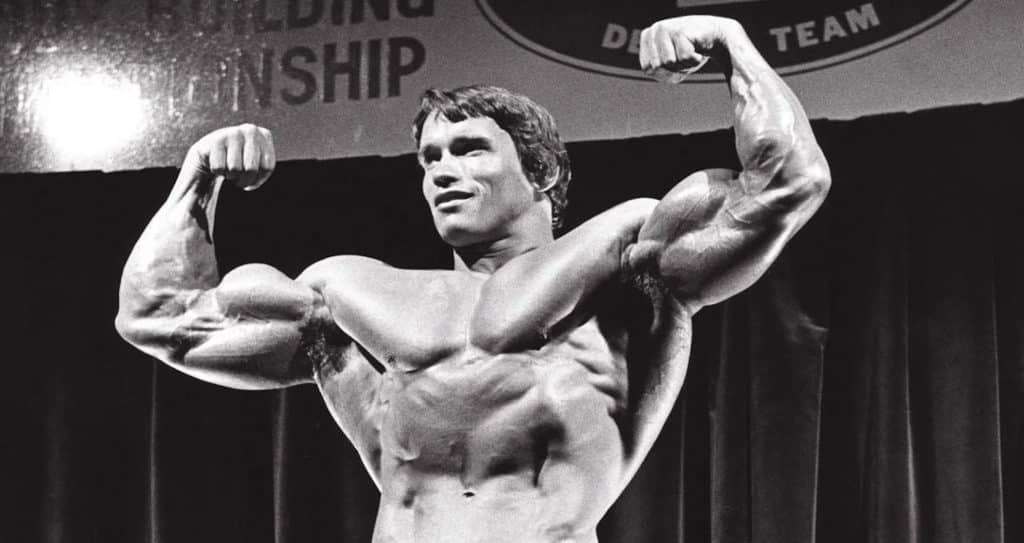
The Classic Physique division has quickly become one of the most admired categories in bodybuilding. Inspired by legends like Arnold Schwarzenegger and Frank Zane, this division emphasizes symmetry, proportion, and aesthetics over sheer size. To build that timeless look—broad shoulders, a narrow waist, and balanced muscle development—you need a strategic training split designed specifically for Classic Physique.
In this guide, our team at Generation Iron is going to break down the best Classic Physique training split, how to structure your workouts, and tips to maximize muscle growth while maintaining proportion.
What Is a Classic Physique Training Split?
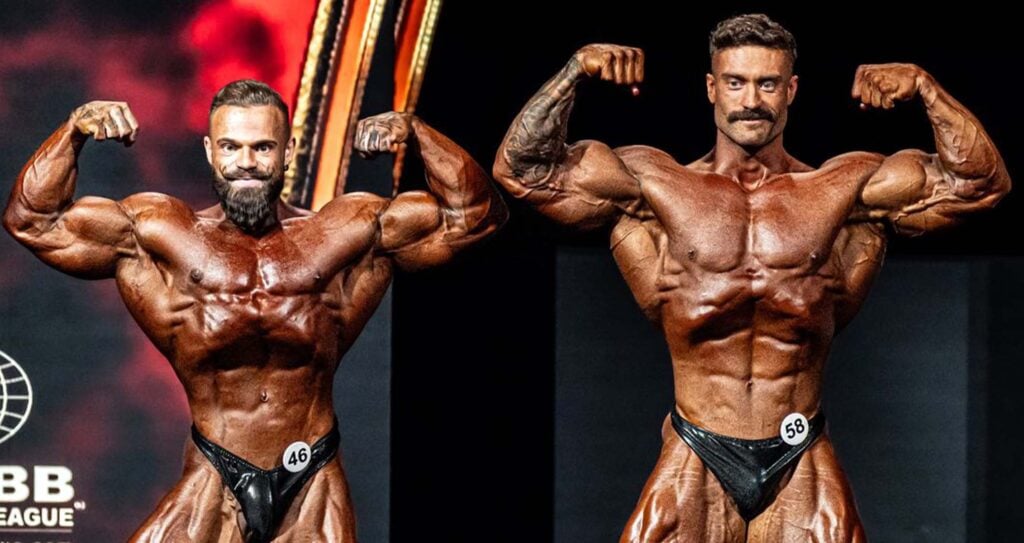
The Classic Physique Division has been dominated by athletes like Chris Bumstead and Wesley Vissers for the last few years, and how they train heavily impacts their look. They are aiming for the Golden Era physiques. A training split refers to how you divide your workouts throughout the week. Unlike powerlifting or general bodybuilding, Classic Physique training focuses on:
- Symmetry and proportions
- V-taper development (shoulders and lats)
- Balanced leg and upper body growth
- Muscle detail and conditioning
This means your split should prioritize frequency and volume for key aesthetic muscle groups like shoulders, back, and upper chest.
The Ideal Classic Physique Training Split (5–6 Days)
Here’s a highly effective Classic Physique split used by many competitors:
Day 1: Chest & Abs
- Incline Barbell Press – 4 sets (6–10 reps)
- Flat Dumbbell Press – 3 sets (8–12 reps)
- Cable Flyes – 3 sets (12–15 reps)
- Dips (Chest Focused) – 3 sets (8–12 reps)
- Hanging Leg Raises – 4 sets (12–15 reps)
Focus on upper chest development to enhance the aesthetic shelf.
Day 2: Back (Width Focus)
- Pull-Ups – 4 sets (8–12 reps)
- Lat Pulldowns – 3 sets (10–12 reps)
- Straight-Arm Pulldowns – 3 sets (12–15 reps)
- Dumbbell Pullovers – 3 sets (10–12 reps)
Build wide lats to create that signature V-taper.
Day 3: Shoulders & Abs
- Seated Dumbbell Press – 4 sets (6–10 reps)
- Lateral Raises – 4 sets (12–15 reps)
- Rear Delt Flyes – 4 sets (12–15 reps)
- Upright Rows – 3 sets (10–12 reps)
- Cable Crunches – 4 sets (12–15 reps)
Delts are critical for Classic Physique, so train them with volume and precision.
Day 4: Legs (Quads Focus)
- Squats – 4 sets (6–10 reps)
- Leg Press – 3 sets (10–12 reps)
- Walking Lunges – 3 sets (12 reps per leg)
- Leg Extensions – 3 sets (12–15 reps)
Avoid overbuilding legs—focus on shape and balance.
Day 5: Arms
- Barbell Curls – 4 sets (8–12 reps)
- Skull Crushers – 4 sets (8–12 reps)
- Hammer Curls – 3 sets (10–12 reps)
- Rope Pushdowns – 3 sets (12–15 reps)
Arms should complement your physique, not overpower it.
Day 6: Back (Thickness) & Hamstrings
- Deadlifts – 4 sets (5–8 reps)
- Barbell Rows – 3 sets (8–10 reps)
- Seated Cable Rows – 3 sets (10–12 reps)
- Hamstring Curls – 3 sets (12–15 reps)
- Romanian Deadlifts – 3 sets (8–12 reps)
Balance width with thickness for a complete back.
Day 7: Rest or Active Recovery
- Light cardio
- Stretching
- Posing practice
Why This Split Works for Classic Physique
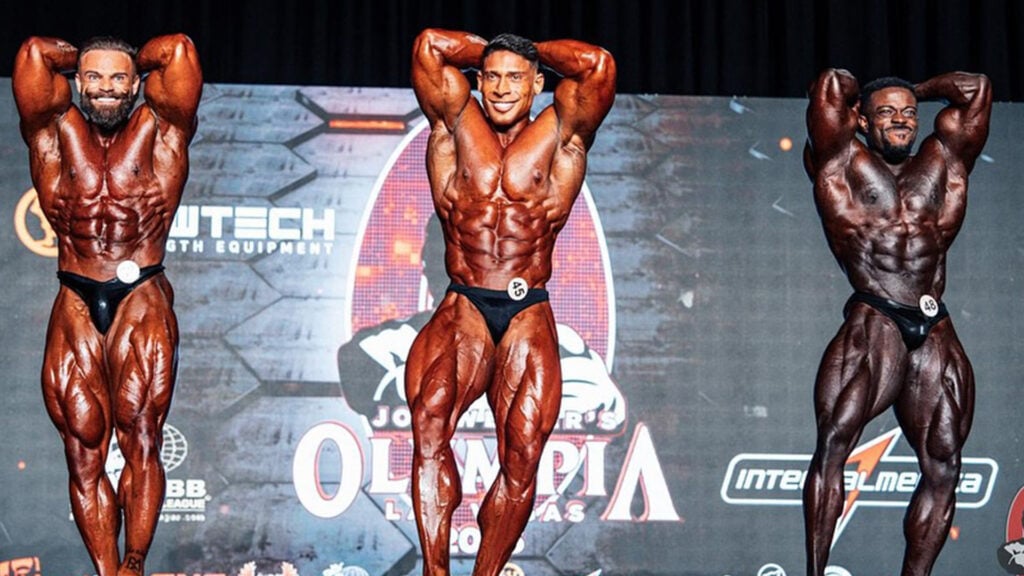
This training split is effective because it emphasizes:
High Frequency for Key Muscle Groups
Shoulders and back are trained multiple times per week to enhance width and taper.
Balanced Volume
Each muscle group gets enough work without overtraining, helping maintain symmetry.
Aesthetic Prioritization
Upper chest, lateral delts, and lats get extra attention—key traits in Classic Physique.
Key Training Principles for Classic Physique
Progressive Overload (With Control)
You still need to get stronger, but not at the expense of form. Controlled reps build better muscle detail.
Mind-Muscle Connection
Classic Physique athletes focus heavily on feeling the muscle work and visualizing it growing, not just moving weight.
Tempo Training
Slower eccentric phases improve muscle definition and control.
The Role of Posing and Presentation

Training alone will not build a Classic Physique—you must practice posing regularly. Study icons like Chris Bumstead to understand:
- Flow and transitions
- Vacuum pose execution
- Stage presence
Posing improves muscle control and helps highlight your strengths.
Nutrition to Support Your Training Split
To get the most out of your training:
- Protein: 0.8–1g of protein per pound of body weight
- Carbohydrates: Support performance and recovery
- Fats: Help regulate hormones and overall health
Keep calories slightly above maintenance for lean growth, avoiding excessive fat gain that can impact aesthetics.
Common Mistakes to Avoid
- Overtraining arms while neglecting legs
- Ignoring rear delts and upper chest
- Lifting too heavy with poor form
- Skipping posing practice
- Bulking too aggressively
Final Thoughts: Build the Classic Look
A well-structured Classic Physique training split is about more than just building muscle—it’s about sculpting a balanced, aesthetic body. By focusing on symmetry, prioritizing key muscle groups, and maintaining discipline in both training and nutrition, you can develop a physique that stands out on stage or in the gym.
Stay consistent, track your progress, and train with intention. The Classic Physique look is built through precision, discipline, and attention to detail.
Let us know what you think in the comments below. Also, be sure to follow Generation Iron on Facebook, Twitter, and Instagram.
References
- National Strength and Conditioning Association. Essentials of Strength Training and Conditioning (4th ed.). Human Kinetics.
- International Sports Sciences Association. Bodybuilding Specialist Certification Manual.
- American College of Sports Medicine. ACSM’s Guidelines for Exercise Testing and Prescription (11th ed.).
- Schoenfeld, B. J. (2010). The mechanisms of muscle hypertrophy and their application to resistance training. Journal of Strength and Conditioning Research.