The Truth About Rep Ranges for Hypertrophy
If you’ve spent any time in the gym, you’ve probably heard conflicting advice about reps and muscle growth. Some lifters swear that heavy sets of 5 reps are the key to muscle mass, while others insist that lighter weights and high reps are the secret to building a shredded, muscular physique. So, do high reps build muscle?
The short answer is yes — high reps absolutely can build muscle. However, the full answer is more nuanced. Muscle growth depends on several factors including training intensity, proximity to failure, volume, recovery, nutrition, and consistency.
Understanding how high-rep training works can help you decide when to use it and whether it should be part of your overall training program. Our team at Generation Iron is going to break it down.
What Counts as “High Reps”?
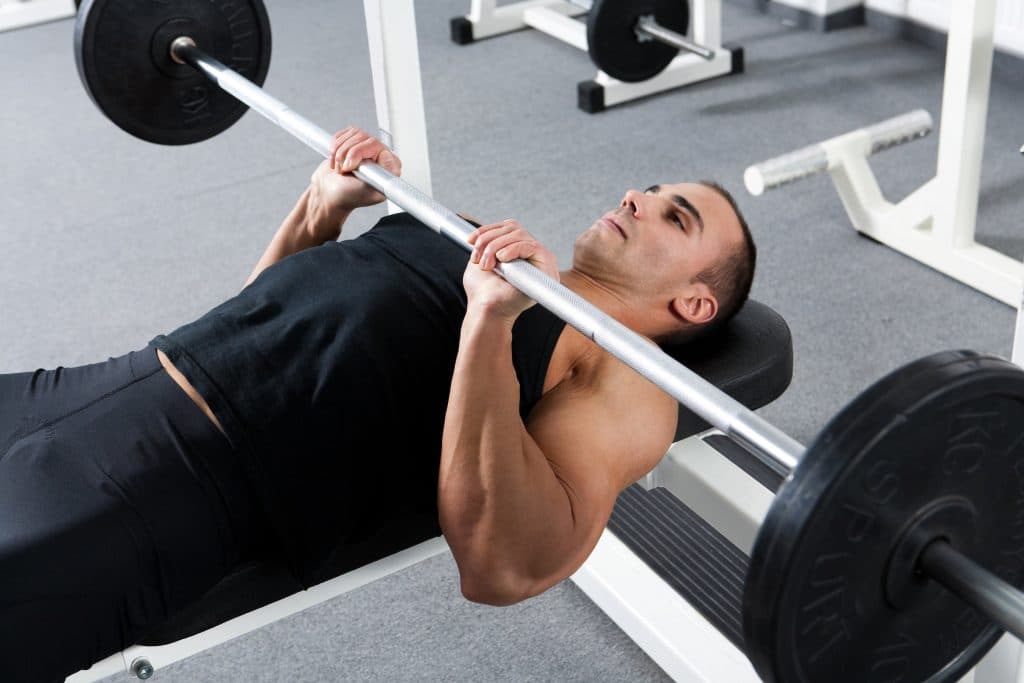
In strength training, rep ranges are generally divided into categories:
- Low reps: 1–5 reps
- Moderate reps: 6–12 reps
- High reps: 13–20+ reps
Traditionally, the bodybuilding world viewed 8–12 reps as the “hypertrophy range.” Meanwhile, lower reps were associated with strength and higher reps were considered better for endurance.
Modern research shows the body is far more adaptable than previously believed. As long as sets are taken close enough to muscular failure, muscle growth can occur across a very wide rep spectrum.
How Muscles Actually Grow
To understand why high reps can build muscle, it helps to understand hypertrophy itself. Muscle growth is primarily stimulated through three mechanisms:
Mechanical Tension
Mechanical tension occurs when muscles produce force under load. Heavy weights naturally create high tension, but lighter weights can also create meaningful tension when sets are pushed hard enough.
Metabolic Stress
This is the “burn” and pump sensation you feel during higher-rep training. Metabolic stress can contribute to muscle growth by increasing cellular swelling and signaling pathways associated with hypertrophy.
Muscle Damage
Resistance training causes microscopic damage to muscle fibers. The body repairs and rebuilds these fibers stronger and larger over time.
High-rep training tends to emphasize metabolic stress while still creating enough tension to stimulate growth when effort is high.
Research on High Reps and Muscle Growth
Multiple studies have shown that muscle hypertrophy can occur with both heavy and light loads.
For example, researchers have found similar muscle growth between groups training with:
- Heavy weights for 6–8 reps
- Lighter weights for 20–30 reps
The key factor was that both groups trained close to failure.
This means your muscles care less about the exact rep number and more about how challenging the set becomes.
If a set of 20 reps feels easy and leaves plenty in the tank, it probably will not maximize growth. But if those final reps are extremely difficult, the muscle receives a strong growth stimulus.
The Biggest Benefit of High Reps
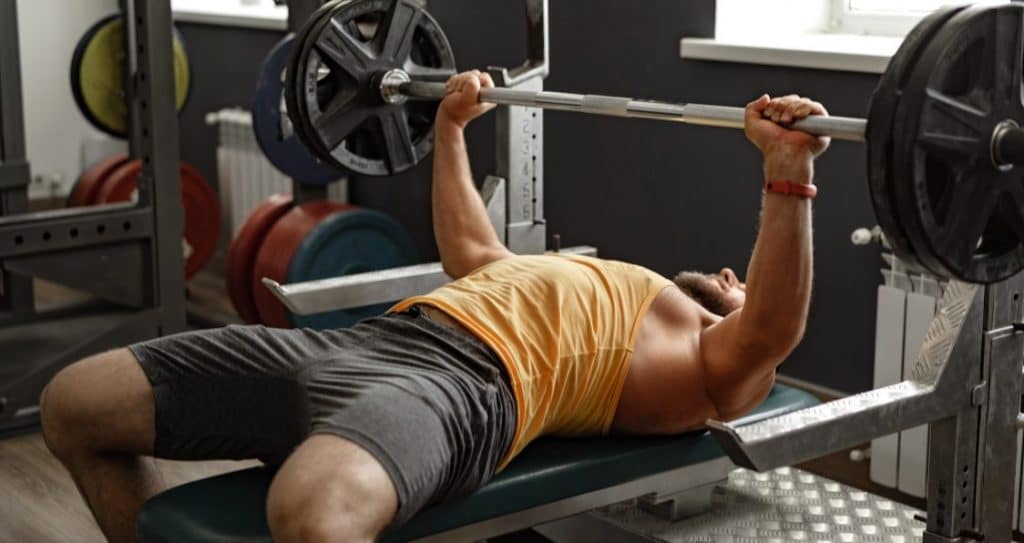
High-rep training offers several unique advantages for hypertrophy.
Better Joint Comfort
Heavy lifting can be tough on joints, especially over years of training. High-rep sets with lighter weights reduce joint stress while still stimulating muscle growth.
This is particularly useful for:
- Older lifters
- Lifters recovering from injuries
- Deload phases
- Isolation exercises
Increased Training Volume
High-rep work can help accumulate more total volume, which is one of the biggest drivers of hypertrophy.
Volume is typically measured as:
- Sets × reps × weight
Higher reps allow muscles to spend more time under tension, which may enhance growth.
High Reps Create an Incredible Muscle Pump
Many bodybuilders intentionally use higher reps because they produce a stronger pump. The pump occurs when blood rushes into the muscles during training. While the pump itself is temporary, it may contribute to hypertrophy through increased cellular swelling and nutrient delivery.
This is why many bodybuilding programs combine:
- Heavy compound movements
- Moderate-rep hypertrophy work
- High-rep finishers
Each style offers unique benefits.
The Downsides of High-Rep Training
Although high reps can build muscle, they are not perfect.
Training Becomes Extremely Uncomfortable
Sets of 20–30 reps can become mentally brutal. The cardiovascular fatigue and burning sensation often become limiting factors before the target muscle fully fails.
For example, a high-rep squat set may leave you gasping for air long before your quads truly fail.
Harder Progressive Overload
With lower reps, progression is straightforward:
- Add 5 pounds
- Perform another rep
With very high reps, tracking progression becomes less precise.
Going from 25 reps to 27 reps is progress, but it may feel less measurable compared to increasing weight.
Time Efficiency
High-rep sets take longer to complete and often require significant mental effort. Lower-rep heavy training can sometimes achieve similar results in less time.
Are High Reps Better for “Toning”?

One of the biggest fitness myths is that high reps create “lean muscle” while low reps create “bulky muscle.” Muscle tissue is muscle tissue.
High reps do not magically create a different type of muscle. What creates a lean appearance is low body fat combined with developed muscle mass.
High reps can help burn calories and increase training volume, but they do not inherently “tone” muscles differently than lower reps.
Best Exercises for High Reps
Certain exercises are especially effective with higher reps.
Isolation Movements
These include:
- Lateral raises
- Leg extensions
- Bicep curls
- Tricep pushdowns
- Calf raises
These exercises are safer to push to high fatigue because they involve smaller muscle groups and lower systemic stress.
Machines
Machines work well for high reps because they stabilize movement patterns and reduce injury risk.
Examples include:
- Leg press
- Chest press
- Cable rows
- Pec deck
- Hamstring curls
Bodyweight Exercises
High reps are also useful for bodyweight movements such as:
- Push-ups
- Lunges
- Pull-ups
- Air squats
Should You Only Train High Reps?
Probably not. The best hypertrophy programs usually combine multiple rep ranges.
Low reps help develop:
- Max strength
- Neural efficiency
- Progressive overload potential
Moderate reps provide:
- Excellent balance of tension and volume
High reps contribute:
- Metabolic stress
- Extra volume
- Joint-friendly training
- Improved muscular endurance
Using all three strategically often produces the best overall results.
A Practical Hypertrophy Approach
A balanced muscle-building workout might look like this:
Heavy Compound Movement
Bench Press:
- 4 sets of 5–8 reps
Moderate Hypertrophy Work
Incline Dumbbell Press:
- 3 sets of 8–12 reps
High-Rep Finisher
Cable Flyes:
- 2–3 sets of 15–20 reps
This combination allows you to benefit from multiple hypertrophy mechanisms.
Do High Reps Build Muscle for Natural Lifters?

Absolutely. Natural lifters often benefit greatly from higher-rep accessory work because it helps increase training volume without overwhelming recovery.
Since recovery ability is limited without performance-enhancing drugs, high-rep work can provide muscle-building stimulus while reducing joint and nervous system fatigue.
Final Verdict: Do High Reps Build Muscle?
Yes, high reps can absolutely build muscle.
The idea that muscle growth only occurs in the 8–12 rep range is outdated. Research consistently shows that hypertrophy can happen across a broad range of reps when training intensity is high enough and sets are performed close to failure.
High-rep training is especially useful for:
- Increasing training volume
- Improving muscular endurance
- Reducing joint stress
- Maximizing muscle pumps
- Finishing workouts effectively
That said, high reps are not necessarily superior to moderate or lower reps for hypertrophy. The most effective programs usually include a variety of rep ranges to maximize strength, size, and overall performance.
At the end of the day, the best rep range for muscle growth is the one you can train hard with consistently while progressively improving over time.
Let us know what you think in the comments below. Also, be sure to follow Generation Iron on Facebook and Twitter.