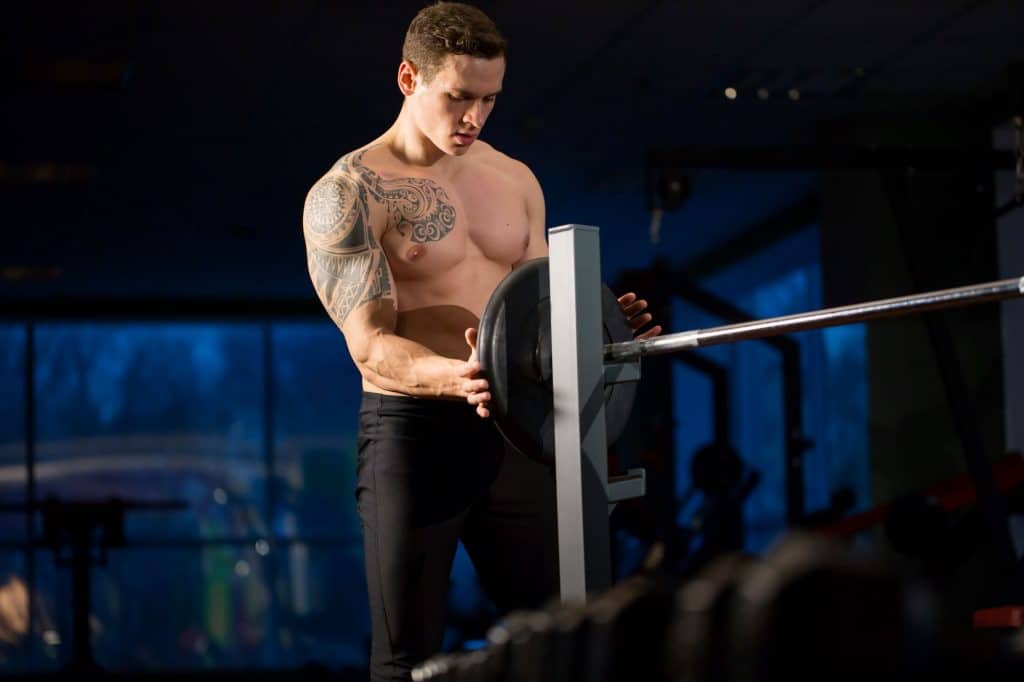
Resistance Training Can Improve Your Overall Health
When it comes to building muscle mass, increasing strength, and improving athletic performance, testosterone is one of the most talked-about hormones in fitness. Many lifters wonder: does strength training actually increase testosterone levels, or is it just gym folklore?
The short answer is yes — strength training can help increase testosterone, especially when paired with proper nutrition, sleep, and recovery. However, the relationship between lifting weights and testosterone is more complex than many people realize.
In this article, our team at Generation Iron is going to break down how strength training affects testosterone, which workouts are best for hormone optimization, and what factors may be limiting your results.
What Is Testosterone?

Testosterone is the primary male sex hormone responsible for many functions in the body, including:
- Muscle growth
- Strength development
- Fat distribution
- Bone density
- Recovery
- Energy levels
- Libido
- Mood and motivation
While women also produce testosterone, men naturally have much higher levels, which is what makes them men. Testosterone production primarily occurs in the testes and is regulated by the endocrine system.
Low testosterone levels can lead to:
- Reduced muscle mass
- Fat gain
- Poor recovery
- Low energy
- Decreased motivation
- Reduced athletic performance
This is one reason why so many athletes and bodybuilders focus on optimizing testosterone naturally.
Does Strength Training Increase Testosterone?
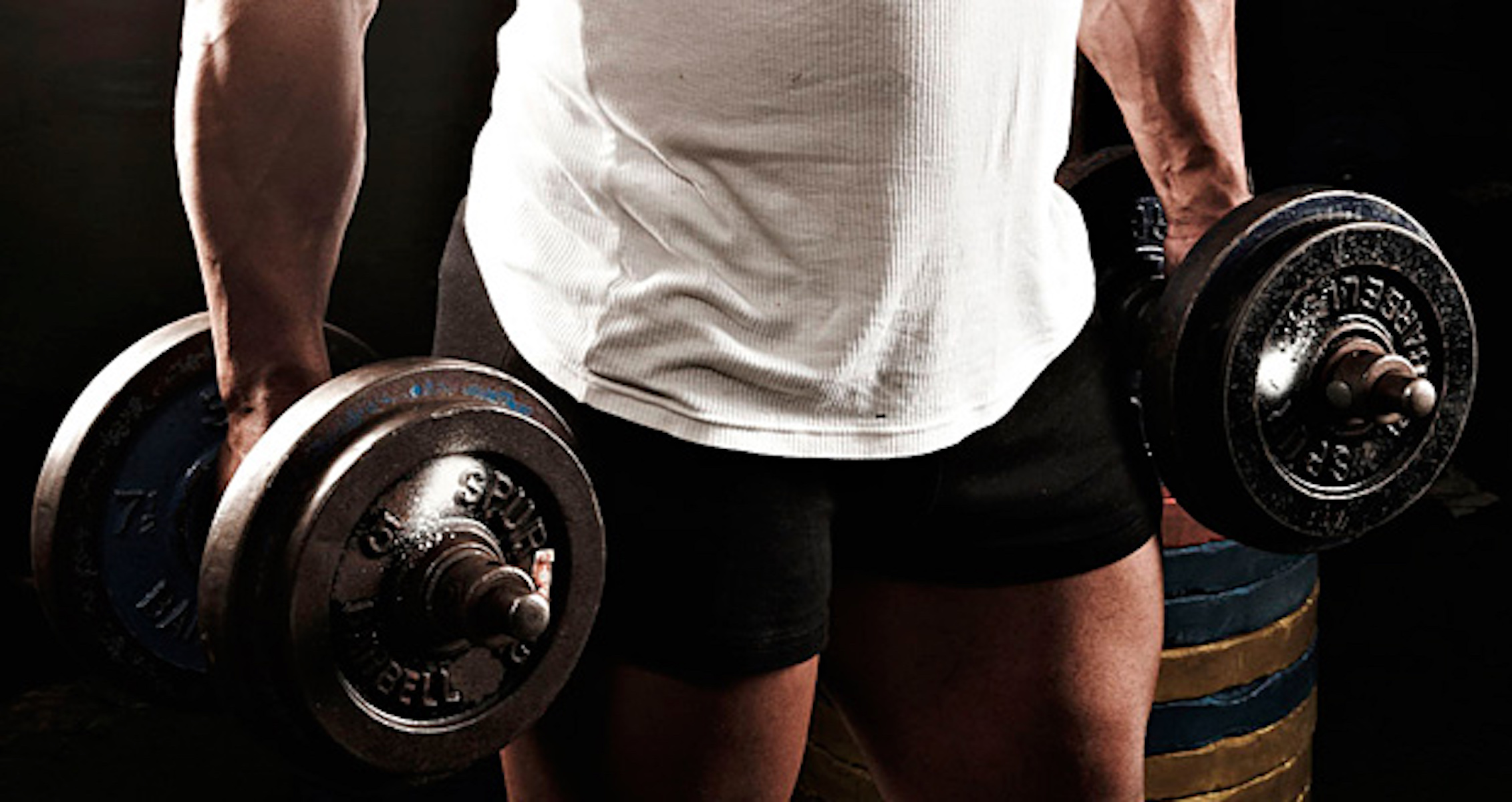
Yes, resistance training has been shown to temporarily increase testosterone levels. Heavy compound exercises and intense training sessions stimulate hormonal responses that include spikes in testosterone and growth hormone.
Exercises that tend to create the biggest hormonal response include:
- Squats
- Deadlifts
- Bench press
- Overhead press
- Pull-ups
- Olympic lifts
These movements recruit large muscle groups and place high demands on the nervous system, which encourages the body to produce anabolic hormones.
How Much Does Testosterone Increase After Lifting?

Testosterone increases from strength training are usually temporary, often lasting between 15 minutes and an hour after a workout. However, consistent resistance training may help support healthier long-term baseline testosterone levels over time.
Research suggests that several training variables matter:
Heavy Weight
Training with heavier loads tends to produce greater hormonal responses.
Moderate Volume
Too little work may not stimulate testosterone effectively, while excessive volume can increase cortisol and hurt recovery.
Shorter Rest Periods
Moderate rest periods between sets may increase metabolic stress and hormone production.
Large Muscle Groups
Leg-focused workouts often create stronger testosterone responses because they involve the body’s largest muscles.
Best Strength Training Styles for Testosterone
Powerlifting
Heavy low-rep training using compound lifts can significantly stimulate testosterone production.
Olympic Weightlifting
Explosive movements such as cleans and snatches demand high force output and nervous system activation.
Hypertrophy Training
Moderate reps with challenging weights also create favorable hormonal responses while promoting muscle growth.
High-Intensity Interval Training (HIIT)
Although technically cardio, HIIT workouts may support testosterone better than long-duration endurance training.
Can Overtraining Lower Testosterone?

Absolutely. Too much training without adequate recovery can actually reduce testosterone levels. Overtraining raises cortisol, the body’s primary stress hormone.
When cortisol remains elevated for long periods, it may negatively affect:
- Testosterone production
- Recovery
- Sleep quality
- Muscle growth
- Immune function
Signs of overtraining include:
- Persistent soreness
- Fatigue
- Poor sleep
- Lack of motivation
- Reduced gym performance
- Mood changes
Recovery is just as important as training itself.
Sleep and Testosterone Production
You cannot discuss testosterone without discussing sleep. Most testosterone production occurs during deep sleep. Even the best strength training program will struggle to optimize hormones if sleep quality is poor.
Studies show that sleep deprivation can significantly reduce testosterone levels in otherwise healthy men.
For optimal hormone support, most adults should aim for:
- 7–9 hours of sleep nightly
- Consistent sleep schedules
- Reduced blue light exposure before bed
- Proper recovery between workouts
Nutrition Matters for Testosterone

Strength training alone is not enough. Your diet plays a major role in hormone production.
Protein
Protein supports muscle repair and recovery after intense workouts.
Healthy Fats
Dietary fats are essential for testosterone production. Extremely low-fat diets may negatively affect hormone levels.
Micronutrients
Zinc, magnesium, vitamin D, and other nutrients help support healthy testosterone production.
Caloric Intake
Severe calorie restriction can lower testosterone levels over time. Athletes who are constantly dieting aggressively may see hormone levels decline, especially during long cutting phases.
Does Cardio Hurt Testosterone?
Not necessarily. Moderate cardio can improve overall health and recovery. However, excessive endurance training may negatively affect testosterone, especially when paired with inadequate calories and recovery.
This is one reason why some endurance athletes struggle with:
- Low energy
- Muscle loss
- Hormonal imbalance
Balancing strength training with reasonable cardio is usually the best approach.
Age and Testosterone Levels
Testosterone naturally declines with age. Many men begin noticing decreases in:
- Recovery
- Muscle mass
- Strength
- Energy
Fortunately, resistance training is one of the best natural tools for combating age-related testosterone decline.
Strength training can help older adults:
- Maintain muscle mass
- Improve bone density
- Support metabolic health
- Increase confidence and energy
Even beginners who start lifting later in life can experience significant improvements.
Can Supplements Help?
Some supplements may help support testosterone when combined with proper training and recovery.
Popular ingredients include:
- Vitamin D
- Zinc
- Magnesium
- Ashwagandha
- Fenugreek
However, supplements are not magic solutions. Training quality, sleep, stress management, and nutrition remain the foundation of healthy hormone levels.
Lifestyle Habits That Hurt Testosterone

Even if you train hard, certain habits can sabotage hormone health.
Chronic Stress
Constant stress raises cortisol and may suppress testosterone.
Poor Diet
Highly processed foods and nutrient deficiencies can negatively affect hormone production.
Lack of Sleep
Sleep deprivation is one of the fastest ways to lower testosterone.
Sedentary Lifestyle
Being inactive is associated with lower testosterone levels and poorer metabolic health.
Excess Alcohol Consumption
Heavy alcohol consumption may reduce testosterone production over time.
Wrap Up
So, does strength training increase testosterone? Yes — resistance training can temporarily boost testosterone and may help support healthier long-term hormone levels when combined with proper recovery, nutrition, and sleep.
The best approach includes:
- Heavy compound lifts
- Consistent training
- Quality sleep
- Proper nutrition
- Stress management
- Recovery days
While strength training alone will not magically double your testosterone overnight, it remains one of the most effective natural strategies for improving hormone health, building muscle, and increasing overall performance.
If your goal is better strength, improved physique, enhanced recovery, and higher energy levels, consistent resistance training is one of the best investments you can make in your health.
Let us know what you think in the comments below. Also, be sure to follow Generation Iron on Facebook, Twitter, and Instagram.
References
- National Library of Medicine — Resistance Exercise and Testosterone Response
Research examining how resistance training affects acute testosterone responses following exercise. - National Library of Medicine — The Effect of Exercise Training on Testosterone Levels
Scientific review covering the relationship between exercise, hormone production, and testosterone levels. - Mayo Clinic — Strength Training Benefits
Overview of the health and performance benefits associated with regular resistance training.