The former IFBB Pro says the financial demands of elite bodybuilding are forcing some competitors to find controversial ways to support their careers.
Competing at the highest level of professional bodybuilding can come with an enormous price tag. According to former IFBB Pro bodybuilder and fitness personality Greg Doucette, some of the sport’s top athletes need as much as $100,000 annually to remain competitive.
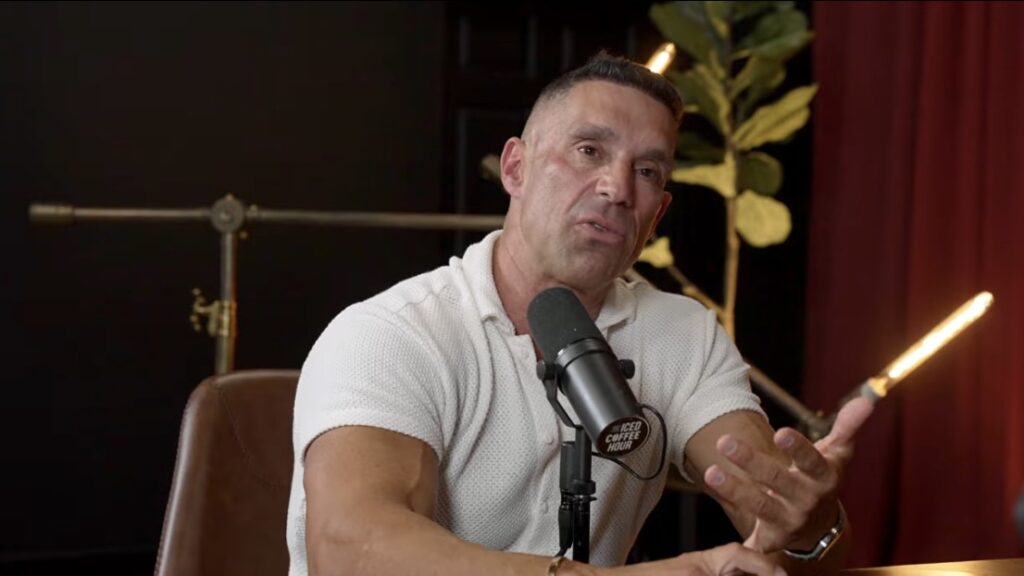
During an appearance on The Iced Coffee Hour podcast, Doucette discussed the financial realities of bodybuilding, including prize money, performance-enhancing drugs, and how competitors support themselves. He also made a controversial allegation that many professional bodybuilders sell steroids to finance their own careers.
Greg Doucette Breaks Down the $100,000 Cost of Bodybuilding
The conversation began when host Graham Stephan asked Doucette how much money bodybuilders can earn by winning competitions.

Doucette estimated that smaller professional contests can award approximately $2,500, while major competitions such as the Arnold Classic and Mr. Olympia offer championship prizes reaching hundreds of thousands of dollars.
However, he argued that competing for those prizes requires a significant financial investment.
“The top guys, not classic, but like open bodybuilding, and it’s mostly on growth hormone, would be upwards of $100,000 a year to prep for that.”
The figure was Doucette’s personal estimate, not a documented average of professional bodybuilding expenses. Costs can vary considerably depending on the athlete, division, travel, coaching, nutrition, and other preparation requirements.
Doucette Makes Controversial Claims About Steroid Sales
Doucette then made one of his strongest statements during the interview, alleging that professional bodybuilders sometimes turn to illegal steroid sales to support their competitive ambitions.
“Most bodybuilders are selling steroids to pay for the drugs that they’re doing themselves in order to compete,” Doucette claimed.
He went further, suggesting that selling steroids is a primary source of income for many professional competitors.
When Stephan questioned how athletes could legally sell steroids, Doucette responded:
“Well, you don’t. You don’t tell anyone.”
These allegations are solely Doucette’s assertions. He did not provide evidence establishing that most professional bodybuilders sell steroids, and there is no independently verified information supporting his characterization of the profession as a whole.
Doucette did not identify specific competitors allegedly involved in illegal steroid distribution.
How Do Professional Bodybuilders Make Money?
Beyond his allegations, Doucette acknowledged that many professional bodybuilders support themselves through personal training and coaching.
He also pointed to the financial advantages enjoyed by athletes who build large social media followings, mentioning Sam Sulek as an example of someone whose popularity provides opportunities beyond competition.
Doucette recalled working as a schoolteacher until the year he earned his IFBB Pro card, demonstrating that maintaining a traditional career while competing is possible.
His comments highlight a longstanding challenge within professional bodybuilding: while the sport’s biggest stars can earn substantial prize money and sponsorship income, many competitors face significant expenses without guaranteed financial returns.
The discussion also raises questions about the financial pressures surrounding performance-enhancing drug use, although Doucette’s broader allegations about illegal sales remain unsubstantiated.
Image embed via YouTube @theicedcoffeehour