Hit Your Protein Goals Without Overspending
Bulking is often associated with expensive grocery lists filled with premium cuts of meat, specialty supplements like meal replacements, and organic products. But the truth is simple: building muscle mass comes down to consistent training, a calorie surplus, and adequate protein intake. None of that requires a high budget.
If you understand how to choose the right foods, you can hit your protein goals, stay in a surplus, and build size using affordable, widely available ingredients. This guide from out team at Generation Iron breaks down the best cheap high-protein foods, why they work, and how to structure your diet for maximum muscle growth without wasting money.
Why Protein Is Essential for Bulking
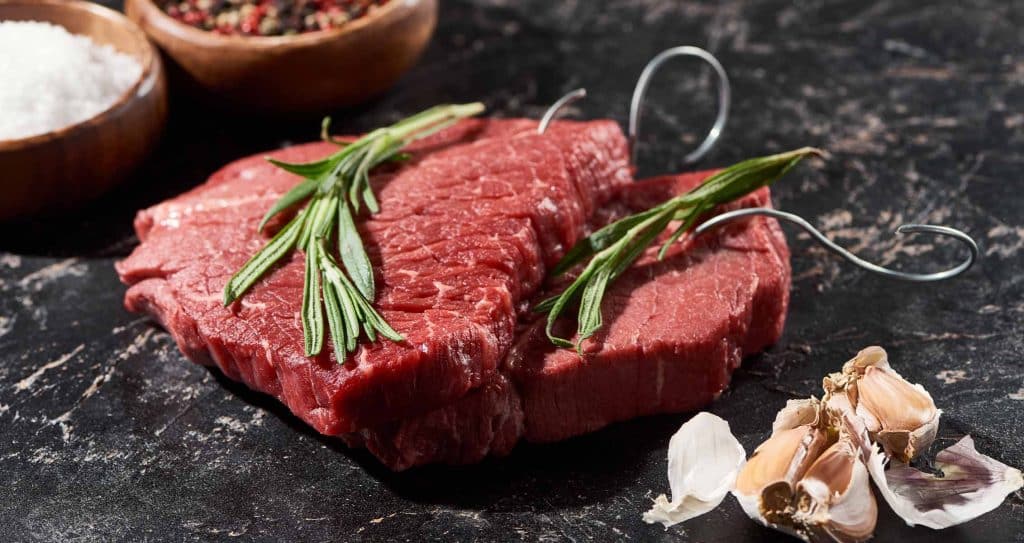
Protein is the macronutrient that plays a direct role in muscle repair and growth. When you lift weights, you create microscopic damage in muscle fibers. Protein provides the amino acids your body needs to rebuild those fibers stronger and larger.
For effective bulking:
- Aim for 0.7 to 1 gram of protein per pound of body weight daily
- Maintain a calorie surplus of 250–500 calories above maintenance
- Distribute protein intake across 3–5 meals per day for optimal muscle protein synthesis
While total calories matter for gaining weight, protein quality and consistency determine whether that weight is lean muscle or unnecessary fat.
What Makes a Protein Source “Budget-Friendly”?
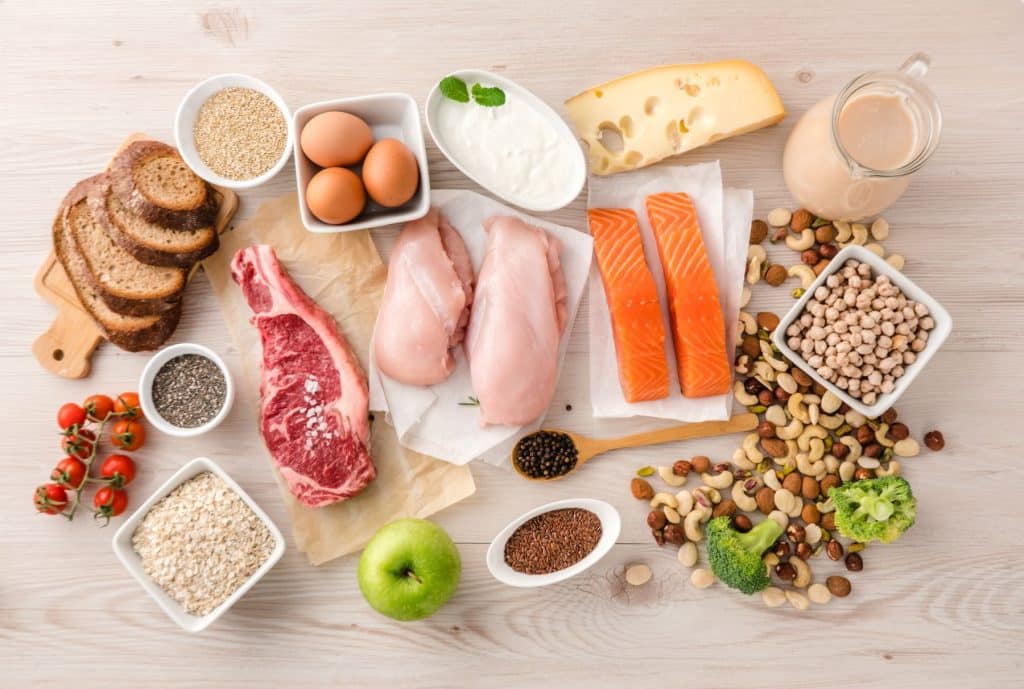
Not all protein sources are equal when it comes to cost efficiency. The best foods for bulking on a budget share a few key characteristics:
- Low cost per gram of protein
- High calorie density (important for bulking)
- Easy to prepare and store
- Versatility across multiple meals
Whole foods should form the base of your diet, with supplements used only when necessary.
Best Cheap High Protein Foods for Bulking

Eggs
Eggs remain one of the most complete and affordable protein sources available. Each egg contains about 6 grams of high-quality protein along with essential fats, vitamins, and minerals.
They are especially valuable for bulking because they provide both protein and calories. The yolk contains healthy fats and micronutrients that support hormone production, including testosterone.
Buying eggs in bulk significantly reduces the cost per serving. They can be prepared in countless ways, making them easy to include in any meal.
Chicken Thighs
Chicken breast is often marketed as the go-to protein for fitness, but chicken thighs are typically cheaper and more calorie-dense. This makes them ideal for bulking phases.
They contain slightly more fat than breast meat, which increases total calorie intake without requiring you to eat more volume. This is helpful for individuals who struggle to eat enough food during a bulk.
Chicken thighs are excellent for meal prep, as they retain moisture and flavor even after reheating.
Ground Beef
Ground beef is another staple for budget bulking. It provides a solid protein content along with iron, zinc, and B vitamins that support performance and recovery.
Higher-fat blends such as 80/20 are usually more affordable and contain more calories, making them better suited for a bulking phase. Leaner options can be used if you are trying to control fat gain more closely.
Ground beef is extremely versatile and can be used in rice bowls, pasta dishes, tacos, and more.
Canned Tuna
Canned tuna is one of the cheapest lean protein sources per serving. It is convenient, shelf-stable, and requires no cooking (though it isn’t always the tastiest).
It is particularly useful for quick meals or when you need to increase your protein intake without adding too many extra calories. However, because it is very lean, it is best paired with a fat source like mayonnaise, olive oil, or eaten alongside higher-calorie foods.
Buying multi-can packs can significantly reduce cost.
Greek Yogurt
Greek yogurt offers a strong combination of protein and digestive benefits. It is rich in probiotics, which support gut health and nutrient absorption.
It also contains casein protein, which digests more slowly than whey, making it a great option for sustained amino acid release. This makes it ideal as a snack or before bed.
Buying larger tubs instead of individual servings is much more cost-effective.
Beans and Lentils
Beans and lentils are among the cheapest protein sources available, especially when purchased dried in bulk. While they are not complete proteins on their own, combining them with grains like rice provides all essential amino acids.
They are also high in fiber, which supports digestion and helps you stay full longer. For bulking, they are a great way to increase both protein and total calorie intake without spending much money.
Milk
Milk is one of the easiest ways to increase both protein and calories. It contains a mix of whey and casein protein, providing both fast and slow digestion.
Whole milk is especially useful during a bulk because of its higher calorie content. Drinking milk alongside meals or adding it to shakes can help you hit your daily calorie goals more easily.
Peanut Butter
Peanut butter is a calorie-dense food that also provides a moderate amount of protein. While it should not be your primary protein source, it is extremely useful for increasing total calorie intake.
It is affordable, shelf-stable, and easy to add to meals like oatmeal, sandwiches, or shakes. For individuals who struggle to eat enough, peanut butter is one of the simplest solutions.
Oats
Oats are often thought of as a carbohydrate source, but they also contain a decent amount of protein. They are extremely cheap, filling, and easy to prepare.
When combined with milk, peanut butter, or yogurt, oats become a powerful bulking meal that provides protein, carbohydrates, and healthy fats in one dish.
Structuring a Cheap Bulking Diet
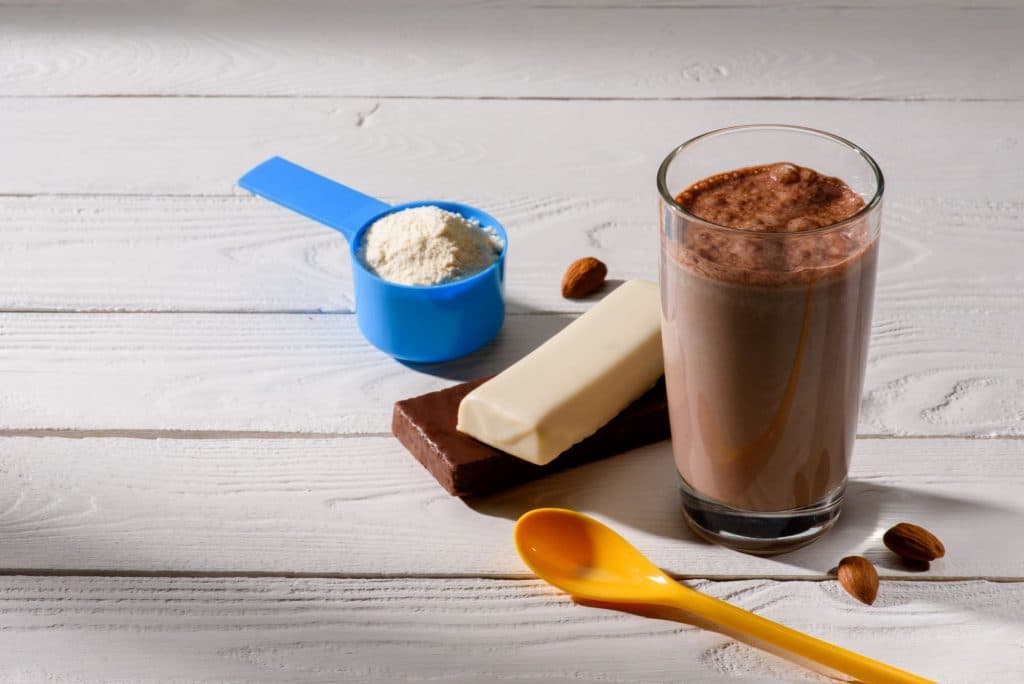
A successful budget bulk is not just about choosing the right foods—it is about combining them effectively throughout the day.
Here is an example of how to structure your meals:
Breakfast
- Eggs and oatmeal with peanut butter
- Milk for added calories and protein
Lunch
- Chicken thighs with rice and beans
Snack
- Greek yogurt with oats or peanut butter
Dinner
- Ground beef with pasta or rice
Before Bed
- Milk or yogurt for sustained protein release
This type of approach ensures consistent protein intake while keeping costs low and calories high.
Advanced Tips for Bulking on a Budget
Focus on Cost Per Gram of Protein
Instead of looking at price per item, evaluate how much protein you are getting for your money. Foods like eggs, milk, and beans consistently rank among the most affordable.
Use Calorie-Dense Foods Strategically
If you struggle to gain weight, prioritize foods higher in fat like ground beef, chicken thighs, whole milk, and peanut butter. These allow you to consume more calories without feeling overly full.
Cook in Bulk
Preparing meals in large batches reduces both time and cost. It also eliminates the temptation to eat out, which is one of the fastest ways to overspend and underperform nutritionally.
Limit Processed “Fitness Foods”
Many pre-packaged “high-protein” snacks are significantly more expensive than whole food alternatives and often provide less nutrition overall. Stick to simple, proven staples.
Use Supplements Only When Necessary
Whole foods should always be your foundation. However, meal replacements like MUTANT FLEX FOOD can be useful when you are short on time or need a convenient way to increase calorie and protein intake.
When you lack time, forget to prep meals - or s#*t just happens - be ready with fast, flexible and complete real food macros on-demand. Designed from real bodybuilding meals for real gains!
Common Mistakes to Avoid
- Undereating calories: Even with high protein intake, you will not grow without a calorie surplus
- Overcomplicating meals: Simple meals are easier to stick to long-term
- Relying too heavily on lean foods: Extremely lean diets can make it harder to hit calorie goals
- Inconsistent eating habits: Skipping meals makes it difficult to maintain a surplus
Final Thoughts
Bulking on a budget is not only possible—it is highly effective when done correctly. By focusing on affordable, high-protein foods like eggs, chicken thighs, ground beef, beans, and oats, you can consistently fuel muscle growth without overspending.
The key is consistency. Eat enough, train hard, and stick to simple, nutrient-dense foods that deliver the most value for your money. Over time, those small, cost-effective choices add up to serious size and strength gains.
Let us know what you think in the comments below. Also, be sure to follow Generation Iron on Facebook, Twitter, and Instagram.
References
“Affordable High-Protein Foods.” Aureolens, www.aureolens.com/the-most-affordable-high-protein-foods/. Accessed 16 Apr. 2026.
“Cheap Bodybuilding Foods.” Sean Nalewanyj Fitness, www.seannal.com/articles/nutrition/cheap-bodybuilding-foods.php. Accessed 16 Apr. 2026.
“Cheap High-Protein Foods for Muscle Building.” BoxRox, www.boxrox.com/7-cheap-protein-sources-for-building-muscle-on-a-budget/. Accessed 16 Apr. 2026.