Understanding Protein Sources and Your Stomach
Protein is one of the most important nutrients for building muscle, supporting recovery, and maintaining lean mass. However, if you’ve ever increased your protein intake or started using a mass gainer, you may have noticed that your stomach doesn’t always agree with every protein supplement.
So, how does protein affect digestion?
Protein itself isn’t necessarily difficult to digest. However, the type of protein, serving size, other ingredients in a supplement, and your individual tolerance can all influence how you feel after consuming it.
For athletes and bodybuilders who need a significant amount of protein and calories every day, finding a protein supplement that fits comfortably into their diet can make reaching their nutritional goals much easier.
Our team at Generation Iron is going to break it down.
What Happens to Protein During Digestion?

Protein digestion begins in the stomach, where stomach acid and digestive enzymes begin breaking proteins down. Digestion continues in the small intestine, where proteins are broken down into amino acids and smaller peptides that can be absorbed.
Those amino acids can then be used for a variety of functions throughout the body, including supporting muscle protein synthesis, tissue repair, and recovery.
While the body is well equipped to digest protein, different protein sources can affect different people in different ways.
Some people can consume large amounts of whey protein without any problems, while others may experience bloating, gas, or general stomach discomfort after certain dairy-based protein products.
Can Protein Cause Digestive Problems?
Increasing protein intake can sometimes be accompanied by digestive discomfort, but protein isn’t necessarily the underlying cause.
The issue may come from other components of the food or supplement, including:
- Lactose
- Sugar alcohols
- Certain sweeteners
- Large serving sizes
- High amounts of carbohydrates
- Other ingredients in protein powders or mass gainers
- Individual food sensitivities
For example, someone who has difficulty digesting lactose may experience bloating or gas after consuming certain dairy-based protein products.
This is one reason that the source of your protein matters.
Does Whey Protein Affect Digestion?
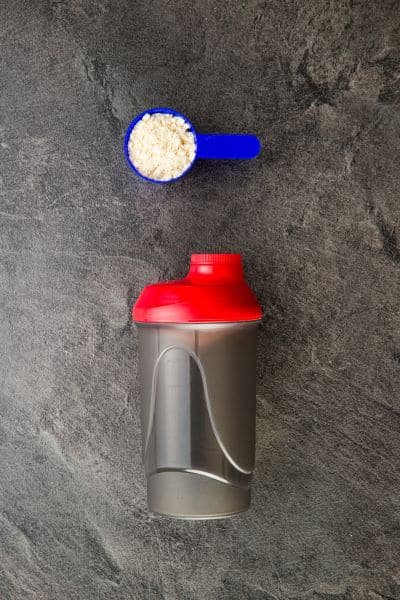
Whey protein is a high-quality protein source and is tolerated well by many people. However, some whey products contain lactose, and individual tolerance can vary.
Whey concentrate generally contains more lactose than whey isolate, although the amount depends on the specific product.
If someone consistently experiences digestive discomfort after consuming a particular whey-based product, experimenting with a different protein source or formulation may help identify what works better for them.
This doesn’t mean whey protein is bad or that everyone needs to avoid dairy. Instead, it highlights the importance of choosing a protein supplement that fits your individual nutritional needs and digestive tolerance.
Why Does a Mass Gainer Sometimes Feel Heavy?
Mass gainers have a unique challenge: they’re designed to provide a substantial amount of calories in a relatively convenient serving.
That can mean a single shake contains hundreds of calories, a large amount of protein, and significant carbohydrates.
For someone who already struggles with feeling overly full, drinking a massive shake can be uncomfortable regardless of the protein source.
That’s why it’s worth looking at the entire formula, rather than simply assuming that digestive discomfort comes from protein itself.
CARNIVOR MASS: A Beef Protein Mass Gainer
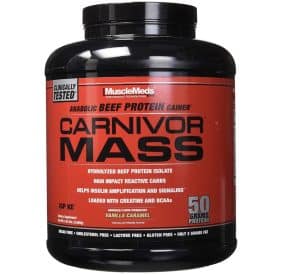
CARNIVOR MASS is commonly referred to as “anabolic superfood” and is more advanced than the typical mass gainer. Check it out.
For athletes looking for a high-calorie protein shake without traditional dairy-based protein, MuscleMeds CARNIVOR MASS offers a different approach.
CARNIVOR MASS is a 100% beef protein isolate weight gainer that uses hydrolyzed beef protein isolate as its primary protein source.
Unlike many traditional mass gainers that use whey or other dairy-derived proteins, CARNIVOR MASS is formulated around beef protein isolate.
The current product information provides:
- 700+ calories per serving
- 50 grams of beef protein isolate
- 125 grams of carbohydrates
- Very low fat
- 0 grams of sugar on current listed formulations
- 0 grams of cholesterol
- No lactose
- Gluten-free
- Hydrolyzed beef protein isolate
- BCAAs, including leucine, isoleucine, and valine
Current product information lists approximately 710–720 calories, depending on the flavor and formulation. Exact nutrition numbers can vary, so it’s always important to check the specific product label.
Why Choose Beef Protein for a Mass Gainer?
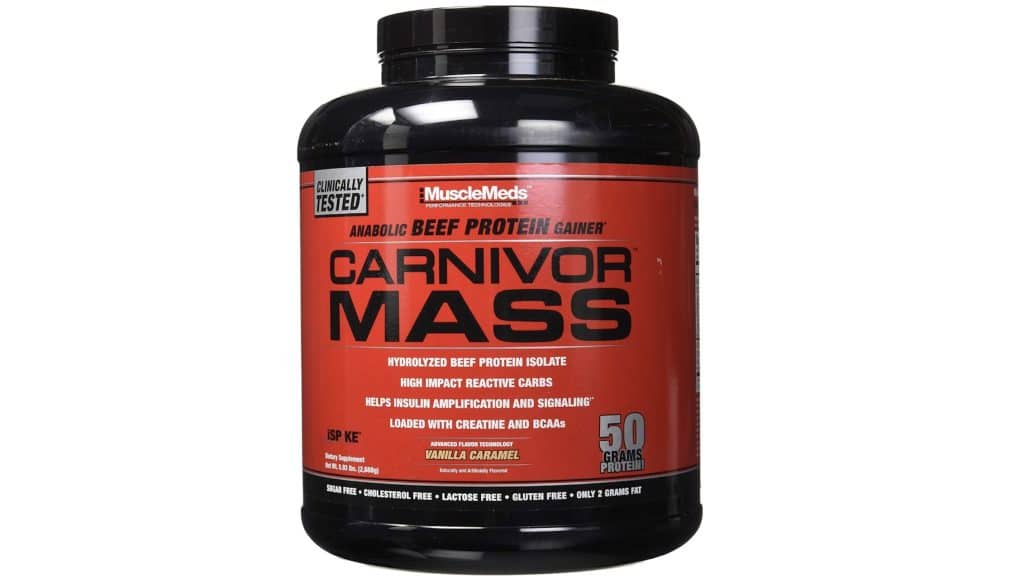
Whey has become one of the most popular protein sources in sports nutrition, but it isn’t the only option. CARNIVOR MASS uses hydrolyzed beef protein isolate, giving athletes an alternative protein source for their mass-gaining nutrition.
The product is also formulated without lactose, making it an option for people who specifically want to avoid lactose in their protein or mass gainer.
Importantly, beef protein powder isn’t the same thing as putting steak into a blender. CARNIVOR MASS uses concentrated, hydrolyzed beef protein isolate that provides protein without the fat and cholesterol found in conventional beef.
For someone who has difficulty tolerating certain dairy-based mass gainers, a lactose-free beef protein formula may be worth considering.
50 Grams of Beef Protein Per Serving
One of the standout features of CARNIVOR MASS is its protein content.
A single serving provides 50 grams of beef protein isolate, giving athletes a substantial amount of protein in one shake.
The formula also contains BCAAs, including:
- Leucine
- Isoleucine
- Valine
For bodybuilders and athletes with high protein requirements, getting 50 grams of protein from a single shake can make it easier to reach daily protein targets.
This can be particularly useful during a mass-gaining phase when you’re already eating multiple meals throughout the day.
Instead of forcing yourself to prepare another large meal, a high-calorie shake can provide a convenient way to increase your total daily intake.
More Than 700 Calories for Gaining Size
Protein is only one part of gaining muscle and body weight. Total calorie intake matters, too.
For athletes who struggle to eat enough calories to support a calorie surplus, CARNIVOR MASS provides more than 700 calories in a single serving.
Current product information lists approximately 710–720 calories, depending on the flavor and formulation.
That makes CARNIVOR MASS substantially more than a traditional protein powder. It’s specifically designed as a high-calorie weight gainer for athletes who need additional nutrition.
Of course, more calories aren’t automatically better. A mass-gaining diet should be based on the individual’s goals and nutritional requirements rather than simply consuming as many calories as possible.
CARNIVOR MASS can instead be viewed as a convenient tool for helping athletes reach their calorie and protein targets.
125 Grams of Carbohydrates

Protein tends to get most of the attention in bodybuilding nutrition, but carbohydrates are also an important source of energy for athletes.
CARNIVOR MASS provides approximately 125 grams of carbohydrates per serving, giving athletes another way to increase their daily calorie and carbohydrate intake.
The formula includes MuscleMeds’ iSPIKE technology, which combines carbohydrate ingredients with components intended to support insulin signaling and nutrient delivery.
For bodybuilders performing high-volume training, adding carbohydrates to a mass-gaining shake can make it easier to consume enough total energy to support their nutritional goals.
And because CARNIVOR MASS combines 125 grams of carbohydrates with 50 grams of protein, it provides two major macronutrients in one convenient shake.
Is CARNIVOR MASS Easier on the Stomach?
There isn’t one protein supplement that is guaranteed to be easier to digest for everyone.
However, CARNIVOR MASS may be worth considering for people who don’t tolerate certain dairy-based mass gainers well because it uses hydrolyzed beef protein isolate and contains no lactose.
Hydrolyzed protein has undergone a process that breaks proteins into smaller components, and MuscleMeds markets the beef protein in CARNIVOR MASS as a highly digestible protein source.
Individual responses will always vary. If you experience digestive discomfort with a particular protein supplement, consider looking at the complete ingredient profile rather than assuming that protein itself is the problem.
How to Make Protein Easier on Your Digestion
If you’re consuming a high-protein diet and experiencing digestive discomfort, a few simple changes may help.
Spread Your Protein Intake Throughout the Day
Instead of consuming extremely large amounts of protein at one time, distribute your intake across several meals and snacks.
Pay Attention to the Protein Source
If a particular protein consistently causes discomfort, consider trying another protein source. Beef protein isolate, whey isolate, egg protein, and plant-based proteins are all options depending on your dietary preferences and tolerance.
Check the Entire Ingredient List
Don’t only look at the protein number. Other ingredients, including lactose, sweeteners, sugar alcohols, and certain additives, may contribute to digestive issues for some people.
Don’t Forget About Total Calories
If you’re using a mass gainer, remember that you’re consuming substantially more than protein. Large amounts of carbohydrates and calories can also contribute to feelings of fullness.
Give Your Body Time to Adjust
If you dramatically increase your calorie or protein intake, your digestive system may need time to adjust. Increasing intake gradually can be more comfortable than making a sudden change.
The Bottom Line
Protein is an essential part of a muscle-building diet, but the way you digest and tolerate different protein sources can vary.
If a particular protein shake causes bloating or stomach discomfort, the issue may be related to the protein source, lactose, other ingredients, serving size, or simply your individual tolerance.
For athletes looking for a high-calorie alternative to traditional dairy-based mass gainers, MuscleMeds CARNIVOR MASS provides more than 700 calories, 50 grams of beef protein isolate, and approximately 125 grams of carbohydrates per serving.
Its hydrolyzed beef protein isolate and lactose-free formula make it an option worth considering for athletes who want a different approach to their protein and calorie intake while trying to add size.
If you’re consistently experiencing significant digestive symptoms after eating protein or using supplements, it’s also worth discussing those symptoms with a qualified healthcare professional rather than simply switching supplements.
For more news and updates, follow Generation Iron on Facebook, Twitter, and Instagram.
References
National Institute of Diabetes and Digestive and Kidney Diseases (NIDDK). Eating, Diet, & Nutrition for Lactose Intolerance. Discusses lactose-containing foods, including milk-based protein powders and shakes, and dietary approaches for managing lactose intolerance.
National Institute of Diabetes and Digestive and Kidney Diseases (NIDDK). The Digestive System and How It Works. Explains how the digestive system breaks protein down into amino acids and how the small intestine absorbs them.
National Institute of Diabetes and Digestive and Kidney Diseases (NIDDK). Symptoms & Causes of Lactose Intolerance. Provides information on lactose intolerance and common digestive symptoms including bloating, gas, nausea, and abdominal discomfort.