Weight loss is more than just a number on the scale
Losing weight seems simple on paper: burn more calories than you consume. However, one of the most common questions among fitness enthusiasts, bodybuilders, and everyday gym-goers is, “How many calories should I eat to lose weight?“
The truth is that there is no one-size-fits-all answer. Your ideal calorie intake depends on factors such as age, gender, body weight, activity level, muscle mass, and weight-loss goals. Understanding how to calculate your calorie needs can help you lose fat efficiently while preserving hard-earned muscle.
Our team at Generation Iron is going to break it down.
Understanding the Calorie Deficit

Weight loss occurs when you create a calorie deficit, meaning you consume fewer calories than your body burns throughout the day.
A calorie deficit forces your body to use stored energy—primarily body fat—to meet its energy demands. Over time, this results in weight loss.
A commonly accepted guideline is:
- 3,500 calories = approximately 1 pound of body fat
- A 500-calorie daily deficit can lead to about 1 pound of weight loss per week
- A 1,000-calorie daily deficit can result in roughly 2 pounds of weight loss per week
While these numbers provide a useful starting point, real-world weight loss can vary due to metabolism, hormone levels, water retention, and body composition changes.
Step 1: Calculate Your Maintenance Calories
Before determining how many calories to eat for fat loss, you need to estimate your maintenance calories, often referred to as Total Daily Energy Expenditure (TDEE).
TDEE represents the total number of calories your body burns each day through:
- Basic bodily functions (breathing, circulation, digestion)
- Physical activity
- Exercise
- Daily movement
General Maintenance Calorie Estimates
For men:
- Sedentary: 12-14 calories per pound of body weight
- Moderately active: 14-16 calories per pound
- Highly active: 16-18 calories per pound
For women:
- Sedentary: 11-13 calories per pound
- Moderately active: 13-15 calories per pound
- Highly active: 15-17 calories per pound
Example
A 200-pound moderately active male:
200 × 15 = 3,000 calories per day
His maintenance intake would be approximately 3,000 calories.
Step 2: Create a Sustainable Deficit
Once you’ve identified your maintenance calories, subtract calories based on your desired rate of fat loss.
Mild Deficit
Subtract 250-300 calories daily.
Benefits:
- Easier to maintain
- Better workout performance
- Greater muscle retention
- Less hunger
Ideal for:
- Lean individuals
- Athletes
- Bodybuilders during a slow cut
Moderate Deficit
Subtract 400-600 calories daily.
Benefits:
- Steady fat loss
- Sustainable long-term results
- Minimal muscle loss when combined with resistance training
Ideal for:
- Most people trying to lose weight
Aggressive Deficit
Subtract 750-1,000 calories daily.
Benefits:
- Faster weight loss
Drawbacks:
- Increased hunger
- Reduced energy levels
- Greater risk of muscle loss
- Lower training performance
Ideal for:
- Short-term fat-loss phases
- Individuals with significant amounts of body fat to lose
How Fast Should You Lose Weight?

One of the biggest mistakes people make is trying to lose weight too quickly. When you lose it too quickly, you’ll gain it back just as fast.
A safe and effective rate of fat loss is:
- 0.5% to 1% of body weight per week
For example:
A 200-pound individual should aim to lose approximately:
- 1-2 pounds per week
This pace helps preserve muscle mass while promoting consistent fat loss.
Why Protein Matters During Weight Loss
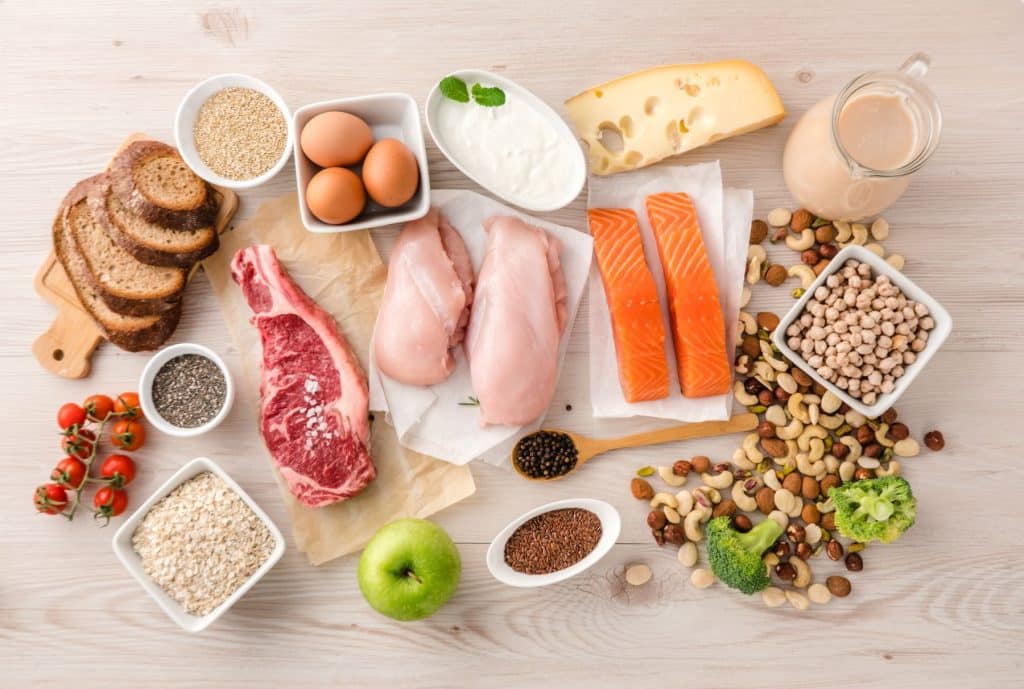
Calories are important, but macronutrient balance is equally critical, particularly consuming enough protein.
Protein plays a major role in:
- Preserving muscle mass
- Supporting recovery
- Increasing satiety
- Boosting metabolism through the thermic effect of food
Most active individuals should consume:
For a 180-pound lifter, that equals:
- 126-180 grams of protein per day
Higher protein intake becomes especially important when calories are reduced.
Don’t Cut Calories Too Low
Many dieters believe that eating as little as possible will maximize fat loss. In reality, extremely low-calorie diets can backfire.
Potential issues include:
- Muscle loss
- Slower metabolism
- Reduced training performance
- Hormonal disruptions (such as testosterone)
- Increased cravings
- Poor recovery
Most men should avoid dropping below 1,500-1,800 calories per day without medical supervision.
Most women should avoid dropping below 1,200-1,400 calories per day without professional guidance.
The goal should be sustainable fat loss, not starvation.
Adjust Calories Based on Progress
Your calorie needs change as you lose weight.
As body weight decreases:
- Maintenance calories drop
- Fat loss may slow
- Additional adjustments become necessary
Track:
- Weekly body weight averages
- Progress photos
- Measurements
- Gym performance
If weight loss stalls for two to three weeks, consider reducing calories by 100-200 per day or increasing activity levels.
Cardio vs. Diet for Creating a Deficit

Many people wonder whether they should eat less or do more cardio. The best approach is typically a combination of both.
For example:
Instead of creating a 600-calorie deficit solely through food restriction:
- Eat 300 fewer calories
- Burn 300 calories through exercise
This strategy often improves adherence and helps maintain muscle mass.
Signs You’re Eating the Right Number of Calories
You’re likely in an effective calorie deficit if:
- Weight decreases steadily
- Strength remains relatively stable
- Energy levels are manageable
- Hunger is present but not overwhelming
- Muscle definition gradually improves
If you’re constantly exhausted, losing strength rapidly, or feeling excessively hungry, your calorie intake may be too low.
Final Thoughts
Determining how many calories you should eat to lose weight starts with understanding your maintenance needs and creating an appropriate calorie deficit. For most people, reducing intake by 400-600 calories per day provides a sustainable path toward fat loss while preserving muscle and performance.
Remember that successful weight loss isn’t about finding the lowest calorie number possible—it’s about finding the highest calorie intake that still allows consistent fat loss. Combine a moderate calorie deficit with resistance training, adequate protein intake, quality sleep, and consistent activity levels to achieve long-term results.
The best fat-loss diet is one you can follow consistently while continuing to build healthy habits and maintain your physique for years to come.
For more news and updates, follow Generation Iron on Facebook, Twitter, and Instagram.