Benefits, Form, and How to Master It
The Cossack squat is one of the most effective lower body exercises for building strength, improving mobility, and developing balance — all at the same time. Originating from Eastern European martial arts and traditional strength practices, this powerful movement has become a favorite among athletes, lifters, and anyone looking to improve their athletic performance and functional fitness.
If you’re serious about building stronger legs, unlocking deeper mobility, and improving athletic movement patterns, the Cossack squat deserves a place in your training program. In this guide, our team at Generation Iron is going to cover everything you need to know — from proper form and key benefits to programming tips and common mistakes.
What Is a Cossack Squat?

The Cossack squat is a deep side-to-side squat variation that targets the lower body while significantly improving hip, knee, and ankle mobility. Unlike a traditional squat, where you move straight up and down, the Cossack squat involves shifting your weight laterally from one leg to the other. One leg bends deeply as you lower into the squat, while the other leg stays extended to the side with your heel on the ground and toes pointing up.
This unique movement pattern builds strength through a full range of motion, especially in the adductors, glutes, and quads, while also developing balance and control.
Muscles Worked by the Cossack Squat
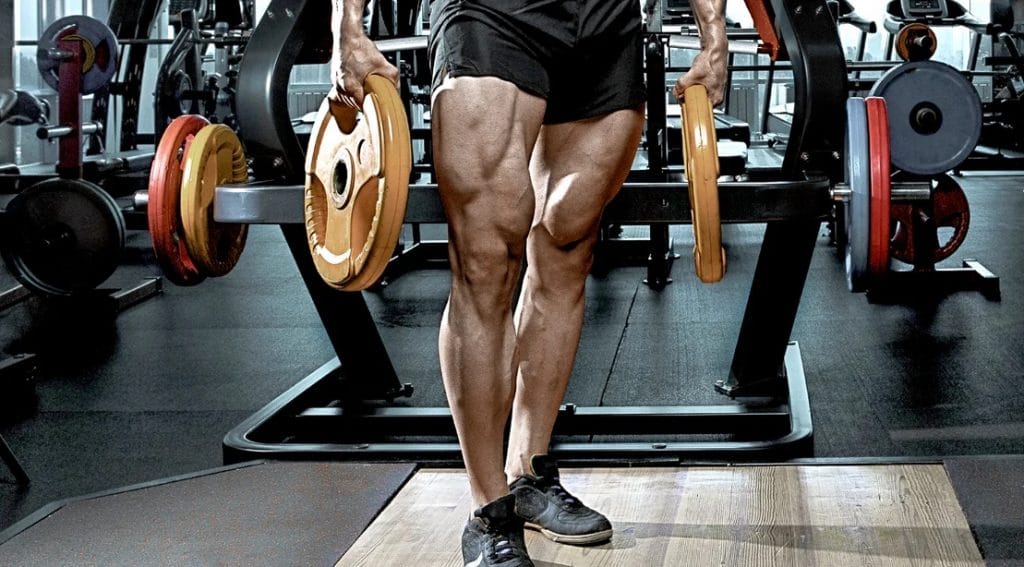
The Cossack squat is a full lower-body exercise that challenges both strength and mobility. Primary muscles worked include:
- Quadriceps – The working leg drives the movement and extends the knee as you stand.
- Glutes – Provide stability and power as you push out of the bottom position.
- Adductors – Heavily recruited as you control the lateral shift and stabilize the extended leg.
- Hamstrings – Assist in hip extension and knee stability.
- Calves – Stabilize the ankle and help with balance.
- Core – Engaged throughout the movement to maintain posture and control.
Because of its side-to-side nature, the Cossack squat activates muscle groups often undertrained in traditional bilateral squats, making it a valuable accessory movement for overall lower body development.
Benefits of the Cossack Squat
1. Improves Hip and Adductor Mobility
The deep lateral range of motion lengthens and strengthens the muscles of the inner thigh and hip. Over time, this can significantly improve hip mobility, reduce stiffness, and enhance movement quality in athletic activities.
2. Enhances Balance and Stability
Balancing on one leg while controlling your body weight laterally challenges stabilizing muscles and coordination. This translates to better balance and proprioception, which are essential for sports, lifting, and daily life.
3. Builds Functional Strength
Because the Cossack squat strengthens your legs through a full and natural range of motion, it develops strength you can use outside the gym — in running, jumping, and multidirectional movements.
4. Reduces Injury Risk
Tight adductors and limited hip mobility are common causes of lower body injuries. By improving mobility and strengthening stabilizing muscles, the Cossack squat helps bulletproof your knees, hips, and ankles.
5. Great Accessory for Squats and Deadlifts
If your squat depth or hip mobility limits your progress, adding Cossack squats can help. The movement trains strength and control at deep joint angles, directly improving performance in compound lifts.
How to Perform the Cossack Squat Correctly
Mastering the Cossack squat requires patience and mobility, but the payoff is worth it. Follow these steps for proper form:
- Set Up:
- Stand with your feet wide — about 1.5 to 2 times shoulder-width apart.
- Keep your toes pointing forward or slightly turned out.
- Shift Your Weight:
- Brace your core and shift your weight onto one leg.
- Begin bending that knee and pushing your hips back as if sitting into a squat.
- Lower Into the Squat:
- Sink down until your working leg is at least parallel to the floor.
- Keep your heel planted and chest upright.
- The opposite leg should stay straight with toes pointed up and heel on the floor.
- Drive Back Up:
- Push through the heel of your bent leg to return to the starting position.
- Repeat on the other side.
Pro Tips:
- Keep your chest tall and avoid collapsing forward.
- Move slowly and with control — rushing will compromise form.
- Focus on depth and quality of movement before adding weight.
Common Mistakes to Avoid
- Letting the Heel Lift: Keep the heel of the working leg firmly on the ground to protect your knees and improve force transfer.
- Collapsing the Chest: Rounding forward reduces core engagement and shifts stress to your lower back.
- Going Too Narrow: A narrow stance limits range of motion — widen your feet for proper depth.
- Rushing the Movement: The Cossack squat is a controlled mobility exercise, not a speed drill.
Progressions and Variations
If the full Cossack squat is too challenging at first, start with these progressions:
- Assisted Cossack Squat: Hold onto a support (like a squat rack or band) to improve balance.
- Box Cossack Squat: Limit depth by squatting onto a box or bench.
- Bodyweight to Weighted: Master the bodyweight version before progressing to holding a kettlebell or dumbbell in front of your chest (goblet style).
Once you’re proficient, weighted Cossack squats become a powerful tool for building strength and resilience.
How to Program the Cossack Squat
Because it’s a unilateral and mobility-focused movement, the Cossack squat is best used as an accessory exercise 2–3 times per week. Here’s how to integrate it:
- Warm-Up / Mobility: 2–3 sets of 8–10 reps per side, focusing on control.
- Strength / Accessory Work: 3–4 sets of 6–8 reps per side with added weight.
- Cool-Down / Active Recovery: 2 sets of slow, deep reps for mobility maintenance.
Final Thoughts: Why the Cossack Squat Belongs in Your Training
The Cossack squat is one of the most underrated exercises for building strong, mobile, and resilient legs. It challenges muscles in ways traditional squats don’t, improves athletic performance, and unlocks mobility that carries over to nearly every lower body lift.
Whether you’re a strength athlete looking to improve squat depth, a martial artist seeking agility, or simply someone who wants stronger, more functional legs — adding the Cossack squat to your routine is a game-changer.
Start with bodyweight, focus on perfect form, and gradually progress. In time, you’ll notice not just stronger legs, but smoother movement, better balance, and greater overall lower body performance.
Generation Iron may receive commissions on purchases made through our links. See our disclosure page for more information.
Let us know what you think in the comments below. Also, be sure to follow Generation Iron on Facebook, Twitter, and Instagram.