Wrestling legend Hulk Hogan opens up about injuries, surgeries, and drug use during peak career years
A new Netflix documentary pulls back the curtain on something fans rarely saw during Hulk Hogan’s peak years: the physical breakdown behind the persona, and the painkiller use that came with it.
“They don’t talk about what it costs.”
That’s the feeling echoing across social media after new revelations from a recent documentary centered on the late Hulk Hogan, a larger-than-life figure whose influence stretched far beyond professional wrestling and deep into bodybuilding culture.

Hogan, born Terry Bollea, details the sheer number of injuries and surgeries he endured over decades in the ring. Back issues, joint damage, and accumulated wear and tear weren’t just part of the job, they became a daily reality. And like many athletes operating at the highest level during that era, managing pain became as routine as training.
| Full Name: Terry Gene Bollea | ||
| Weight | Height | Date of Birth |
| 302 lbs | 6’7 | 08/11/1953 |
| Accomplishments | Era | Nationality |
| 12-time World Champion | 80s-2000s | American |
According to clips circulating online, Hogan admits that prescription painkillers became a major part of that management.
For longtime fans of both wrestling and bodybuilding, the revelations aren’t entirely surprising, but they are striking in how openly they’re discussed.
The Hidden Cost of Mass and Performance
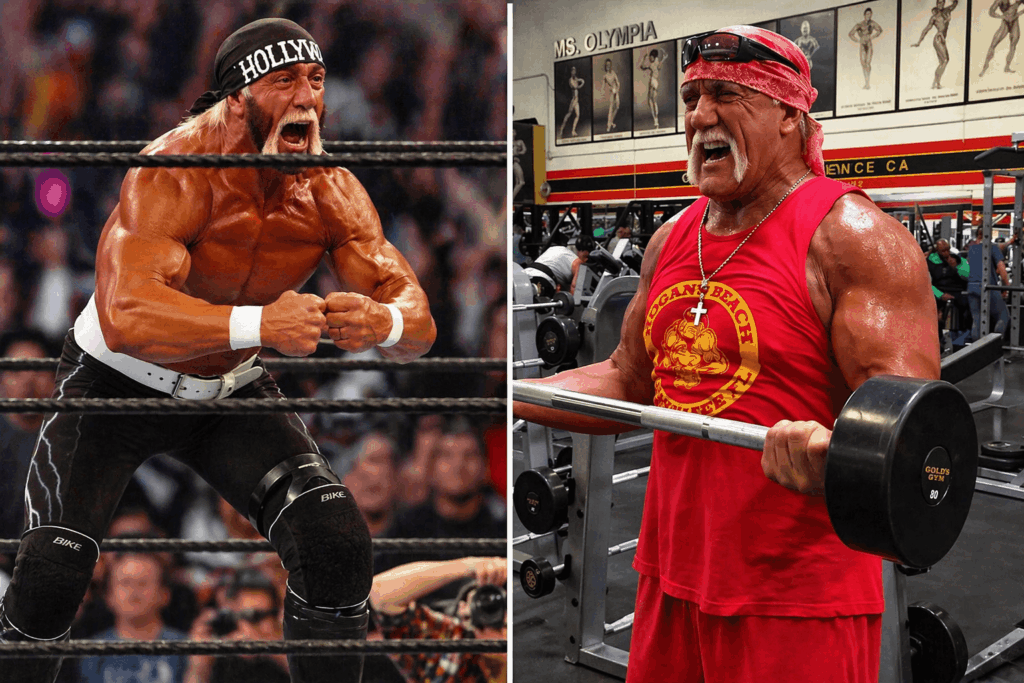
Hogan’s physique helped define an era. At a time when size, presence, and charisma ruled, he embodied all three. He was the prototypical “body guy” with the “24-inch pythons, BROTHER!” But that size came with a price.
The documentary reinforces a reality that many in bodybuilding already understand: pushing the body to extreme limits often leads to long-term consequences.
While Hogan was primarily a wrestler, his look and training style were heavily influenced by bodybuilding principles. His impact helped bring that aesthetic into mainstream culture during the 1980s boom.
Now, decades later, the conversation has shifted.
Athletes today are far more vocal about longevity, recovery, and internal health. And Hogan’s story adds to a growing list of cautionary examples that highlight what can happen when those elements are ignored or misunderstood.
A Broader Conversation in Strength Sports
The timing of these revelations matters.
Across bodybuilding and fitness spaces, there’s already increased discussion about the risks tied to performance enhancement, pain management, and long-term health. From modern competitors speaking about blood pressure and organ health, to veterans reflecting on past practices, the tone is changing.
Hogan’s experience fits directly into that evolution.
It’s not just about one individual, it’s about an entire era where information, medical oversight, and recovery strategies were far less advanced than they are today.
Legacy vs. Reality
There’s no denying Hogan’s legacy. He remains one of the most recognizable figures in the history of professional wrestling, and his influence on physique culture is undeniable.
But the documentary adds complexity to that legacy.
It reminds fans that behind the iconic poses and unforgettable moments was an athlete absorbing constant punishment, often masking it just to keep performing.
For younger athletes and fans, it’s a reality check.
For older fans, it’s a confirmation of what many suspected all along.
And for the bodybuilding world, it’s another piece of a much larger conversation about how far is too far, and what the real cost of greatness can be.
*Featured image via Instagram @hulkhogan