Which Bench Press Variation Builds More Muscle?
The bench press has earned its place as one of the most effective upper-body exercises for building strength and muscle mass. Whether you’re a competitive bodybuilder, powerlifter, strongman, or simply looking to develop a bigger chest, chances are the bench press is already a cornerstone of your training.
But one question continues to divide lifters: Should you prioritize the incline bench press or the flat bench press?
While both movements train the chest, they emphasize different muscle fibers, produce different strength adaptations, and serve unique purposes depending on your physique and performance goals.
In this guide, our team at Generation Iron will compare the incline bench vs. flat bench, examine the muscles worked, discuss the benefits of each exercise, common mistakes to avoid, and explain how to incorporate both into your training for maximum chest development.
Flat Bench vs. Incline Bench: What’s the Difference?
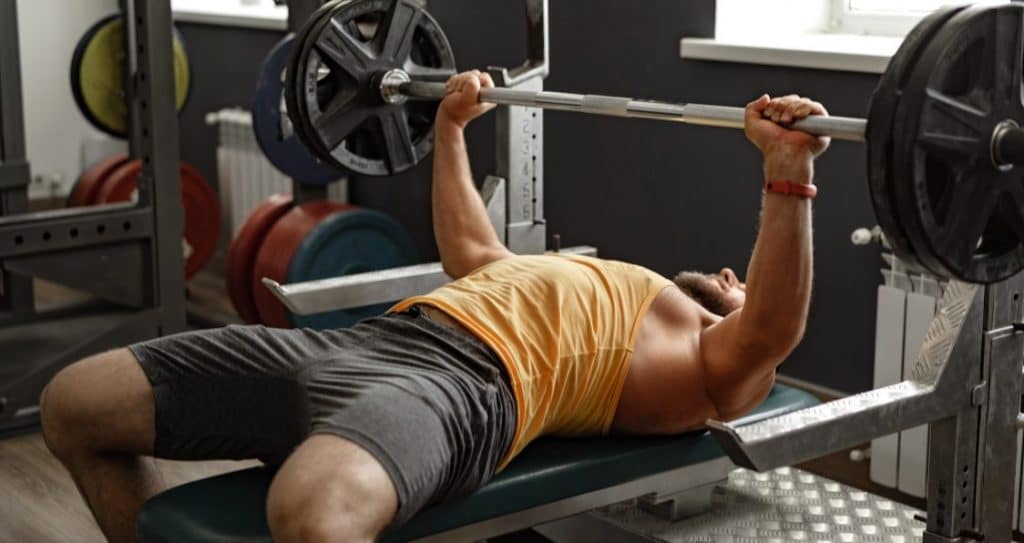
The primary difference between the two exercises is the angle of the bench.
- Flat Bench Press: Performed on a horizontal bench, placing the greatest emphasis on the middle and lower portions of the chest while allowing you to lift the most weight.
- Incline Bench Press: Performed on a bench angled between 30 and 45 degrees, shifting more of the workload toward the upper chest and front shoulders.
Although both exercises recruit many of the same muscles, changing the bench angle alters muscle activation enough to make each variation valuable.
Muscles Worked

Flat Bench Press Muscles
The flat bench press is considered one of the best compound exercises for upper-body strength.
Primary muscles worked:
- Pectoralis major
- Triceps brachii
- Anterior deltoids
Supporting muscles:
- Serratus anterior
- Rotator cuff muscles
- Core stabilizers
- Upper back muscles for shoulder stability
Because of its mechanical advantage, the flat bench generally allows lifters to move heavier loads than the incline variation.
Incline Bench Press Muscles
The incline bench shifts emphasis toward the clavicular (upper) fibers of the chest while increasing shoulder involvement.
Primary muscles worked:
- Upper pectoralis major
- Anterior deltoids
- Triceps brachii
Supporting muscles:
- Serratus anterior
- Rotator cuff
- Core stabilizers
Using an incline also changes the pressing path, making upper chest recruitment more pronounced compared to the flat bench.
Benefits of the Flat Bench Press

Builds Maximum Chest Size
If your goal is overall chest mass, the flat bench remains one of the most effective exercises available. It allows you to use heavier weights while training the largest portion of the pectoralis major.
Develops Upper-Body Strength
The flat bench press is one of the three powerlifting competition lifts for a reason. Progressive overload on this movement translates into greater pressing strength across numerous exercises.
Excellent for Progressive Overload
Because most people can handle heavier loads on the flat bench, it’s easier to steadily increase weight over time—one of the biggest drivers of muscle growth.
Highly Versatile
Whether performed with a barbell, or dumbbells, a Smith machine, or chest press machine, the flat bench adapts easily to nearly any training program.
Benefits of the Incline Bench Press

Targets the Upper Chest
Many lifters struggle to develop the upper portion of their chest. The incline bench specifically emphasizes this area, helping create a fuller and more balanced physique.
Improves Shoulder Strength
Since the anterior deltoids contribute more during incline pressing, this variation can help build stronger shoulders that carry over into overhead pressing movements.
Creates Better Chest Proportion
Well-developed upper pecs improve chest aesthetics by adding thickness near the collarbone and reducing the appearance of a “bottom-heavy” chest.
Adds Variety to Your Training
Using multiple pressing angles exposes your muscles to different stimuli, helping reduce plateaus and encourage continued muscle growth.
How to Perform the Flat Bench Press
- Lie flat on the bench with your feet firmly planted.
- Position your eyes directly beneath the barbell.
- Grip the bar slightly wider than shoulder-width.
- Unrack the weight and stabilize it above your chest.
- Lower the bar under control until it lightly touches your mid-chest.
- Press explosively back to the starting position while keeping your shoulders tight.
Pro Tip: Retract your shoulder blades throughout the movement to improve stability and reduce shoulder stress.
How to Perform the Incline Bench Press
- Set the bench between 30 and 45 degrees.
- Plant your feet firmly on the floor.
- Grip the bar slightly wider than shoulder-width.
- Unrack the weight over your upper chest.
- Lower the bar slowly toward the upper chest.
- Press upward while maintaining control throughout the movement.
Avoid setting the bench too steeply. Angles above 45 degrees tend to shift the exercise into more of a shoulder press than a chest exercise.
Common Flat Bench Press Mistakes
Flaring the Elbows
Keeping your elbows straight out to the sides places unnecessary stress on the shoulder joint. Aim for roughly a 45- to 70-degree elbow angle.
Bouncing the Bar
Using momentum by bouncing the bar off your chest reduces muscle tension and increases injury risk.
Cutting the Range of Motion
Partial reps limit chest activation. Lower the bar under control until it lightly contacts your chest.
Losing Upper Back Tightness
A stable upper back improves force production and protects the shoulders throughout the lift.
Common Incline Bench Press Mistakes
Bench Angle Too High
One of the biggest mistakes is setting the bench near 60 degrees, turning the movement into a shoulder exercise.
Letting the Wrists Bend
Keep your wrists stacked directly over your forearms to maximize power and reduce joint stress.
Lowering Too High on the Chest
Touch the upper chest naturally without forcing the elbows into an awkward position.
Using Too Much Weight
Many lifters dramatically reduce their range of motion when the load becomes too heavy. Focus on controlled reps rather than chasing numbers.
Incline Bench vs. Flat Bench: Which Is Better?
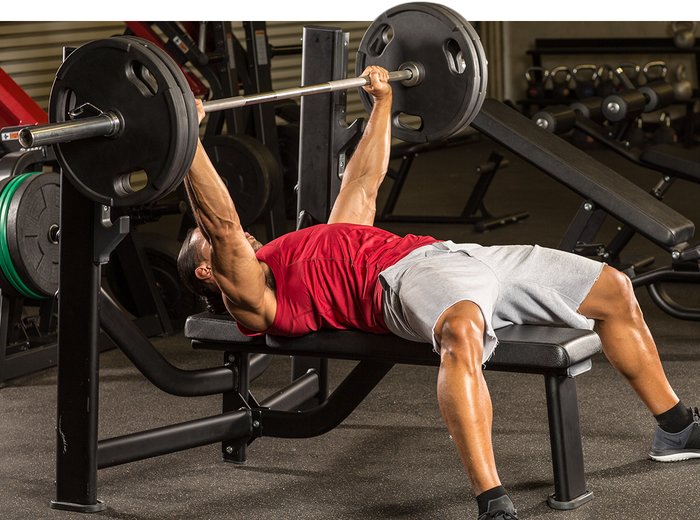
The answer depends on your training goals.
Choose the Flat Bench Press If You Want:
- Maximum pressing strength
- Greater overall chest mass
- Better performance in powerlifting
- Higher training loads
Choose the Incline Bench Press If You Want:
- Better upper chest development
- Improved chest aesthetics
- Greater shoulder involvement
- More balanced muscle growth
For most lifters, the best solution isn’t choosing one over the other—it’s using both.
Should You Do Both?
Absolutely. Combining flat and incline bench presses creates a more complete chest-training program by targeting different portions of the pectoral muscles while preventing weak points.
A simple approach is to:
- Begin one chest workout with flat bench press and follow with incline dumbbell presses.
- Reverse the order during your next chest session.
- Train each variation with progressive overload while keeping total weekly chest volume appropriate for your experience level.
This strategy ensures balanced muscle development while continuing to improve overall pressing strength.
Final Thoughts
When comparing the incline bench vs. flat bench, neither exercise is objectively superior—they simply serve different purposes.
The flat bench press remains the gold standard for building pressing strength and overall chest size, while the incline bench press is unmatched for emphasizing the upper chest and creating a more complete physique.
Instead of debating which exercise is better, most lifters will achieve the greatest results by incorporating both movements into their routine. Together, they provide comprehensive chest development, improve upper-body strength, and help build the balanced physique that every serious lifter is after.
Let us know what you think in the comments below and be sure to follow us on Facebook and Twitter.
References
Lehman, G. J. (2005). The influence of grip width and forearm pronation/supination on upper-body myoelectric activity during the flat bench press. Journal of Strength and Conditioning Research, 19(3), 587–591.
Barnett, C., Kippers, V., & Turner, P. (1995). Effects of variations of the bench press exercise on the EMG activity of five shoulder muscles. Journal of Strength and Conditioning Research, 9(4), 222–227.
Saeterbakken, A. H., van den Tillaar, R., & Fimland, M. S. (2011). A comparison of muscle activity and 1-RM strength of three chest-press exercises with different stability requirements. Journal of Sports Sciences, 29(5), 533–538.